
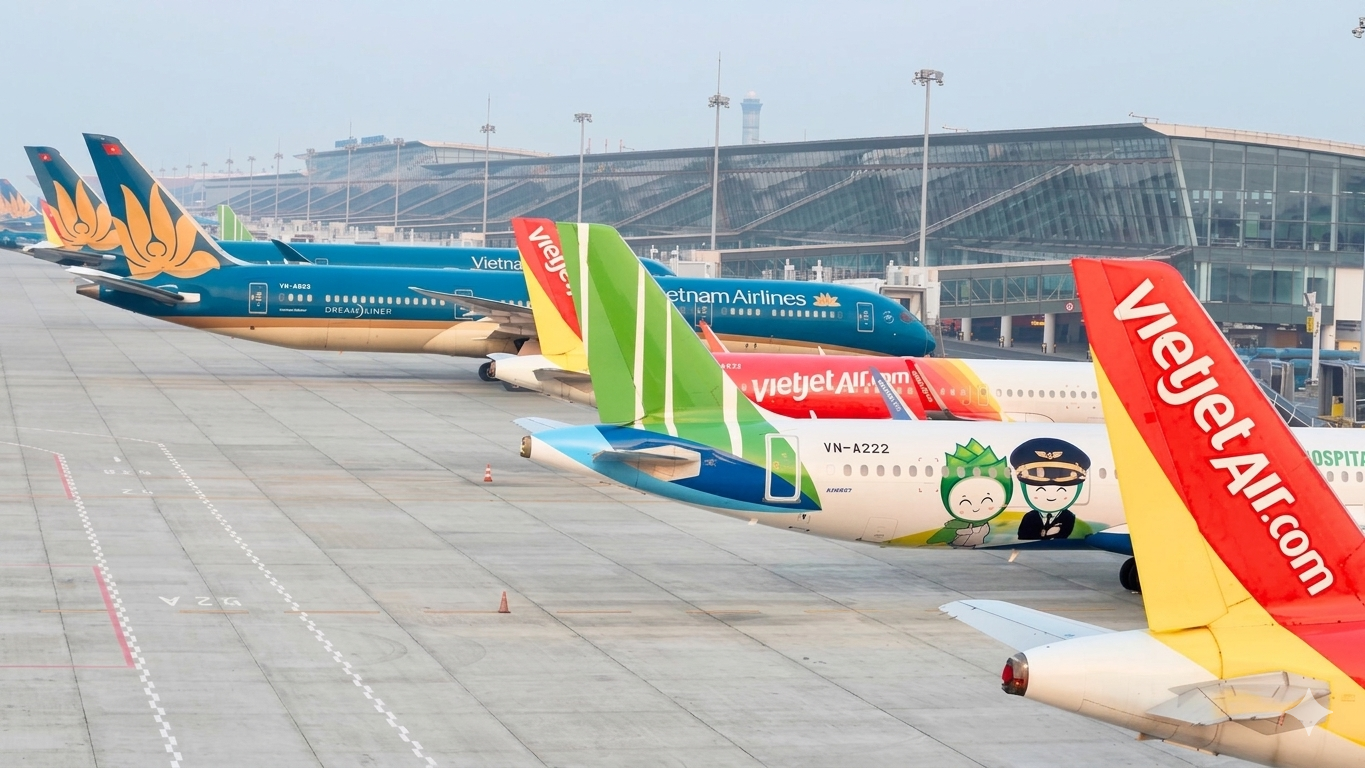
Vietjet Air has launched ticket sales for its new Hanoi-Prague route, starting October 10, with Airbus A330 aircraft. Flights will operate twice weekly via Almaty. Ticket prices begin at VND5.94 million (US$225) one-way. This expansion seeks to cater to the Vietnamese community in Czechia and enhance travel between Vietnam and Europe.
Vietjet Air announced on Tuesday that it has opened ticket sales for its new Hanoi-Prague service, marking the low-cost carrier’s latest expansion into the European market.
The route is scheduled to commence on October 10 and will be operated by Airbus A330 wide-body aircraft. Flights will initially run twice weekly, with a technical stop in Almaty, Kazakhstan.
Economy-class fares start from VND5.94 million (approximately US$225) per one-way journey, excluding taxes and fees, while Deluxe-class tickets are available from VND7.32 million (US$277).
According to the airline, the new route is expected to serve growing travel demand from the Vietnamese community in Czechia while providing additional connectivity for leisure and business travellers between Vietnam and Europe.
A representative from Prague Airport noted that more than 75,000 passengers travelled between Prague and Hanoi in 2025, highlighting the market’s potential.
The launch comes as Vietnamese carriers continue to expand their international networks.
Sun PhuQuoc Airways recently inaugurated flights between Phu Quoc and Hong Kong on May 22, operating five services per week, following the introduction of routes to Taipei and Seoul.
Meanwhile, Vietnam Airlines is set to increase the frequency of its direct Hanoi-Moscow service from July 1, operating four weekly flights with Boeing 787 aircraft.
Industry stakeholders have welcomed the new routes, viewing them as a positive signal for tourism growth and trade connectivity. However, they noted that long-term success will depend on factors such as schedule reliability, competitive pricing, strong tour connectivity, and sustained market demand.
For long-haul services to Europe in particular, fuel costs, total travel time, transit arrangements, and overall service quality remain key considerations influencing passenger choice.

