
Beyond the reopening of Lien Khuong Airport: What stronger air connectivity could mean for Lam Dong tourism
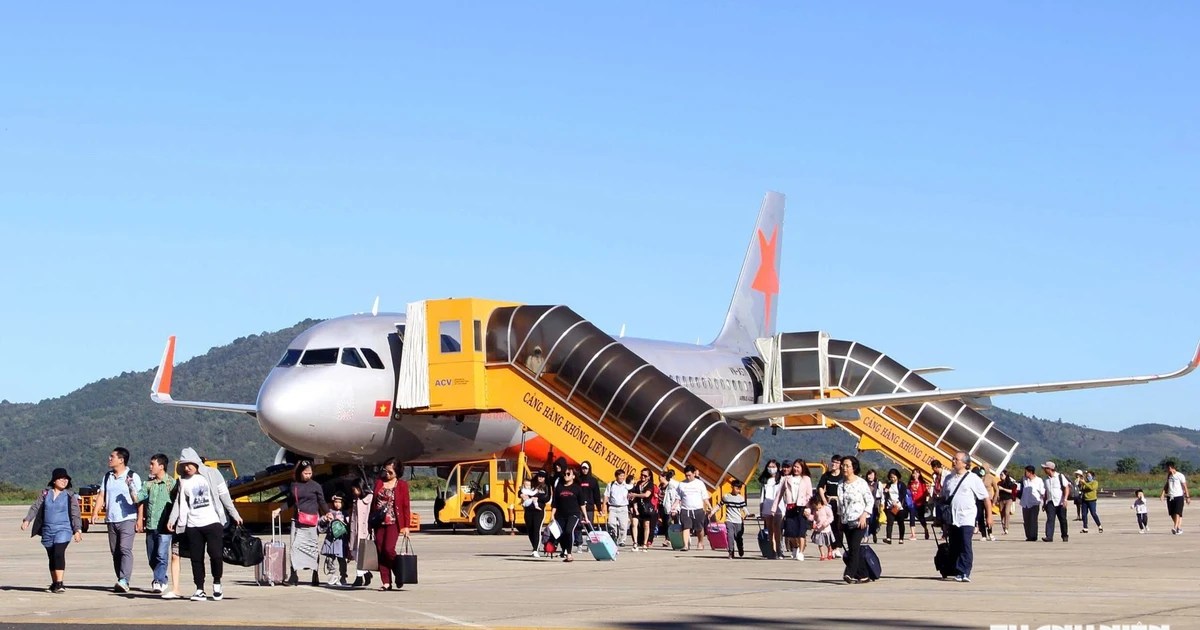
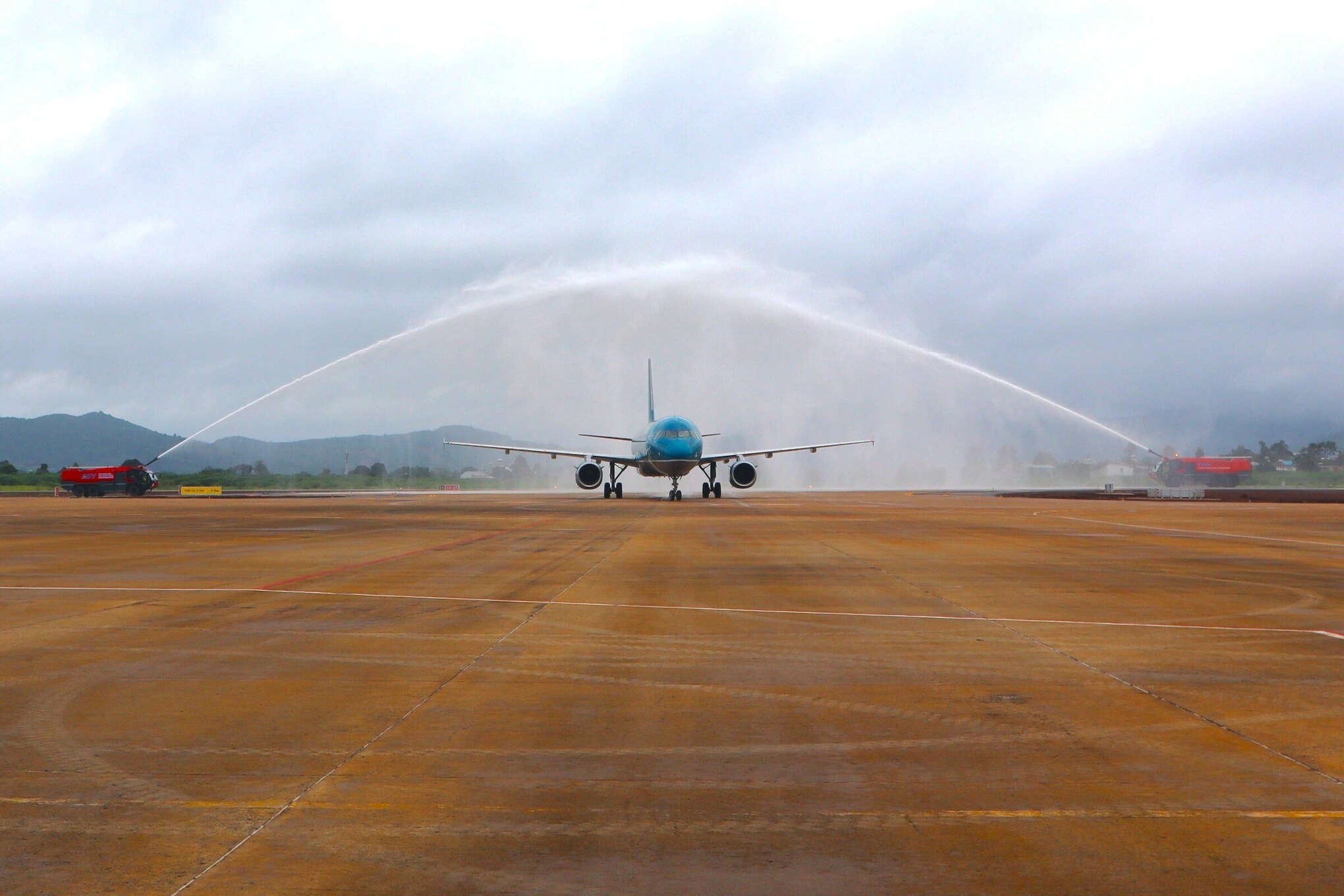
After five months of runway and infrastructure upgrades, Lien Khuong International Airport officially resumed operations on 19 August 2026, restoring one of the most important access points to Da Lat and the wider Lam Dong province. The reopening brings back direct air connections with major domestic cities while creating new possibilities for regional and international routes. Yet its significance for tourism extends beyond simply putting flights back on the schedule. For Lam Dong, the more important question is what stronger connectivity can now enable across the destination.
From restored access to renewed tourism momentum
During the airport’s temporary closure, access to Da Lat became considerably less convenient for travellers who would normally arrive by air. With operations now restored, tourism businesses can once again plan around a more predictable flow of visitors, particularly as Lam Dong enters one of its busiest periods of the year.
Domestic connections have resumed with major markets including Ho Chi Minh City, Hanoi, Da Nang, Vinh, Hai Phong and Can Tho. In the initial phase following reopening, Lien Khuong is expected to handle approximately 36-40 flights and around 6,800 passengers per day, according to published reports.
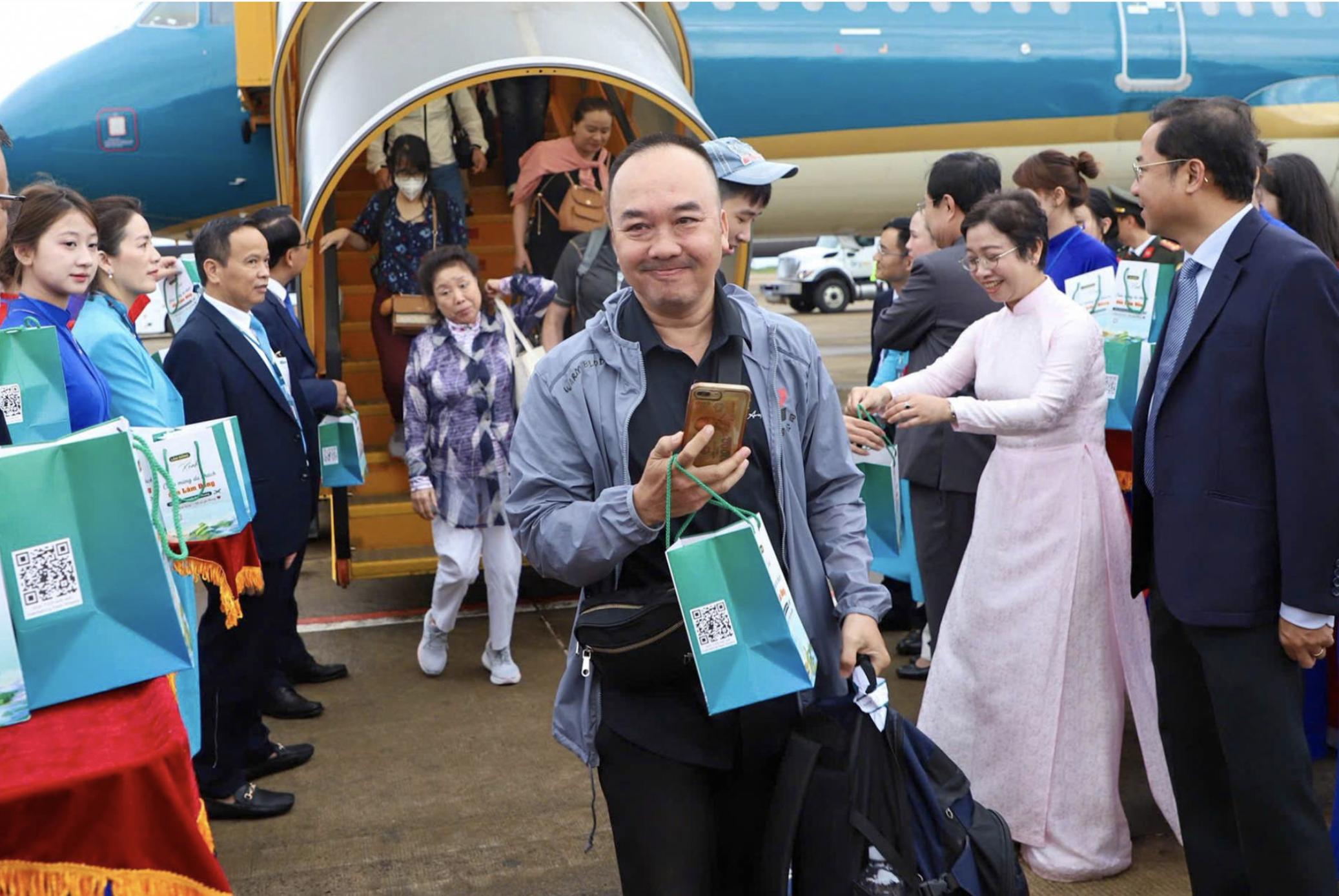
The timing is notable. The reopening comes ahead of the National Day holiday period and a year-end calendar that includes major cultural and tourism activities across the province. For hotels, resorts and travel operators, reliable air access gives businesses greater confidence to develop packages, build advance demand and target travellers for whom accessibility plays an important role in destination choice. It also gives event organisers, corporate groups and tourism partners a stronger basis for considering Da Lat for programmes where travel convenience is critical, from destination weddings and retreats to conferences, incentive travel and curated group experiences.
International connectivity creates new market opportunities
The upgraded airport brings enhanced operational capacity, with improvements to the runway, taxiways, safety systems and supporting infrastructure. Beyond strengthening domestic connections, the facility is now better positioned to accommodate larger aircraft, including wide-body models such as Airbus A350 and Boeing 787, creating greater potential for expanded regional and international connectivity in the future.
The Da Lat-Kuala Lumpur route is expected to operate four times per week, while Singapore services are planned to return later in 2026. Lam Dong is also exploring stronger links with markets including South Korea, Taiwan, Thailand and Japan. These developments are expected to contribute to the province’s ambition of welcoming more international visitors and positioning Da Lat as a more connected destination within the region.
For the tourism industry, however, the opportunity is not simply to add more routes. Each connection represents a different traveller market with its own expectations, travel patterns and motivations. The next step is therefore to convert connectivity into demand through stronger destination products, market-specific communications and partnerships between hotels, travel companies, attractions and local experience providers. A new flight creates access; the destination still needs to give travellers a compelling reason to come, stay longer and return.
Turning arrivals into wider destination value
Improved connectivity also creates an opportunity to extend tourism value beyond Da Lat itself.
Nature, agriculture, wellness, cultural experiences and emerging hospitality destinations across Lam Dong can benefit when increased arrivals are connected to wider itineraries. Hotels and resorts can play an important role here, not only as places to stay but as gateways to local experiences and partnerships across the province.
This is where the long-term impact of Lien Khuong’s reopening will ultimately be measured. More flights and passenger arrivals are important, but stronger tourism growth also depends on length of stay, visitor spending, seasonality, repeat visitation and how widely tourism benefits are distributed.
Lien Khuong provides the access. The greater opportunity now is for Lam Dong’s tourism and hospitality industry to turn that connectivity into stronger, more diverse and more sustainable destination demand.
References

