
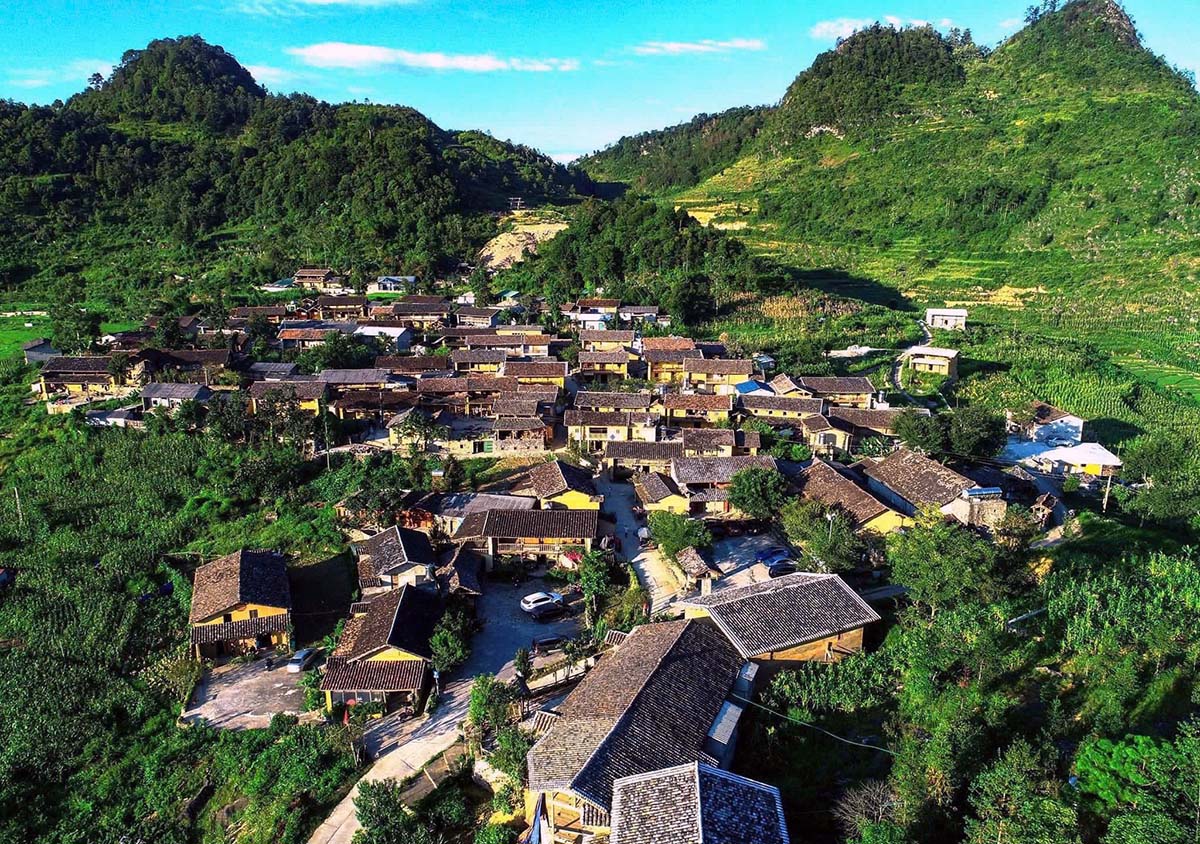
Lo Lo Chai Village is located in Lung Cu Commune, Tuyen Quang Province. It has achieved a prestigious international milestone. It was named one of the “Best Tourism Villages 2025” by the United Nations World Tourism Organization (UNWTO).
Selected from more than 270 entries across 65 countries, Lo Lo Chai stands as a testament to the collective efforts of the local community, government authorities, and development partners in preserving cultural identity, protecting natural landscapes, and fostering sustainable, community-led tourism.
Recognizing Sustainability and Culture through Tourism
The Best Tourism Villages initiative, led by UN Tourism, celebrates rural destinations that exemplify excellence in cultural and natural heritage preservation, sustainable tourism management, innovation, and the enhancement of local livelihoods.
Selection is based on a rigorous evaluation across multiple dimensions – including governance, infrastructure, socio-economic resilience, environmental sustainability, and alignment with the United Nations’ Sustainable Development Goals (SDGs).
This global recognition serves not only as an award but also as a model for other rural destinations seeking to develop tourism in ways that are ethical, inclusive, and future-oriented.

Lo Lo Chai: Where Culture and Nature Meet
Nestled among the limestone peaks of northern Vietnam, Lo Lo Chai is home to the Black Lô Lô ethnic group, one of the country’s smallest yet most culturally distinctive communities. The village is renowned for its traditional earthen houses, vibrant brocade costumes, ancestral rituals, and festive traditions that have been passed down through generations.
Located near the iconic Lung Cu Flag Tower – Vietnam’s northernmost point – Lo Lo Chai offers travelers a serene stop on the journey through the Dong Van Karst Plateau, a UNESCO Global Geopark. The village embodies Vietnam’s commitment to preserving cultural identity at its geographical frontier, while also inviting visitors to experience a living expression of the nation’s diverse heritage.
A Model of Green and Inclusive Tourism
In recent years, Tuyen Quang Province has invested extensively in transforming Lo Lo Chai into a model of green, community-based tourism. Local authorities have prioritized environmentally conscious infrastructure and sustainable practices, including the implementation of waste collection and treatment systems, the reduction of single-use plastics, and the promotion of eco-friendly behavior among residents and visitors.
Traditional architecture has been preserved using natural, locally sourced materials, while green spaces and biodiversity within the village have been enhanced. Improvements to clean water and sanitation facilities have elevated hygiene standards and public health, ensuring that tourism growth remains in harmony with the village’s ecological balance.
Empowering the Community
At the heart of Lo Lo Chai’s success lies the active participation of its residents in shaping the village’s tourism identity. Comprehensive capacity-building programs have equipped community members with skills in hospitality management, food safety, emergency response, environmental conservation, and responsible tourism.
These efforts have empowered villagers to operate homestays, prepare traditional cuisine, and organize handicraft workshops, cultural performances, and agro-tourism experiences. The economic benefits are shared equitably, with particular emphasis on empowering women and youth to ensure social inclusion and community resilience.

International Support and Strategic Partnerships
Lo Lo Chai’s transformation has been supported by Helvetas (Switzerland) under the Swiss Tourism for Sustainable Development Project (ST4SD), in partnership with the Viet Nam National Authority of Tourism. Project experts have provided technical assistance through sustainability assessments, tourism product development, and capacity-building workshops, while also guiding the village through the UN Tourism awards application process.
This collaboration highlights the critical role of international cooperation in advancing sustainable tourism and ensuring long-term success for rural destinations.
A Landmark Achievement and a Shared Vision
The recognition of Lo Lo Chai marks a milestone not only for the village but also for Tuyen Quang Province as a whole. It reinforces the province’s strategic vision of promoting tourism that balances cultural preservation with economic growth and environmental protection.
Adding to this achievement, on October 13, 2025, the Dong Van Karst Plateau Global Geopark, where Lo Lo Chai is located, was honored as Asia’s Leading Cultural Destination 2025 by the World Travel Awards (WTA). Together, these accolades elevate Tuyen Quang’s position on the global tourism map and affirm its commitment to sustainable development.
Cultural events such as the traditional stick-pushing competition of the Black Lô Lô ethnic group continue to attract both domestic and international visitors, offering immersive insights into Vietnam’s ethnic heritage.

Toward a Sustainable Future
Looking ahead, Tuyen Quang Province remains committed to strengthening its tourism ecosystem through improved infrastructure, enhanced service quality, digital transformation, and global promotion. Plans are also underway to expand sustainable tourism models to other communities across the province.
These initiatives align with the long-term development strategy under the theme “Tuyen Quang – The Land of Living Heritage.” By 2035, with orientation to 2045, the province aims to make tourism a key economic sector – one that nurtures cultural pride, environmental stewardship, and inclusive prosperity.
A Global Symbol of Community-Based Tourism
The recognition of Lo Lo Chai Village as a Best Tourism Village 2025 represents far more than a global accolade. It stands as a profound affirmation of what can be achieved when communities, governments, and partners unite around a shared vision.
Lo Lo Chai’s journey embodies Vietnam’s growing leadership in community-based tourism – a model rooted in respect for culture, nature, and people. As the village continues to flourish, it offers valuable inspiration for rural destinations around the world seeking to build a future where tourism serves both humanity and the planet.
 Australian Hospitality Alumni Network Vietnam