
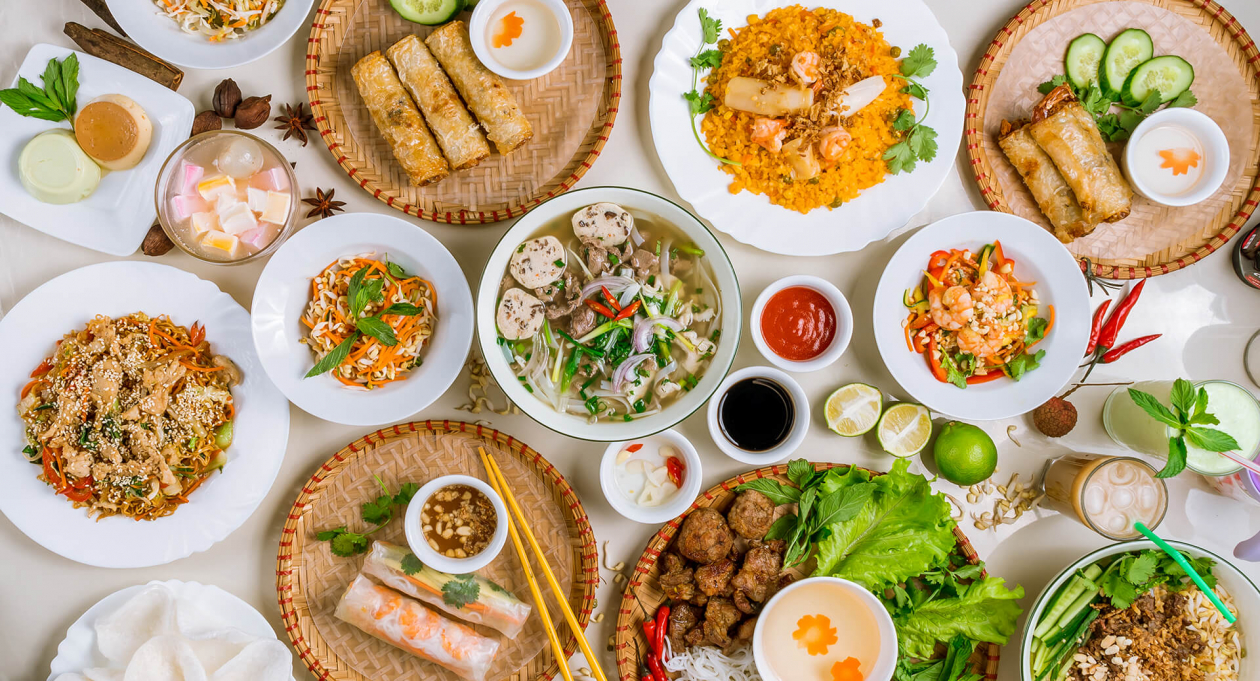
For many years, Vietnamese cuisine, especially Ha Noi cuisine, has been highly praised by international media and experts. Many dishes have been listed among the world’s delicacies.
However, despite its abundant resources, Ha Noi cuisine is still relatively modest on the world food map. This highlights the need for Vietnam’s tourism sector to systematically develop its cuisine into a national brand to realize its huge potential.
Vietnamese Cuisine Honored by Global Sites
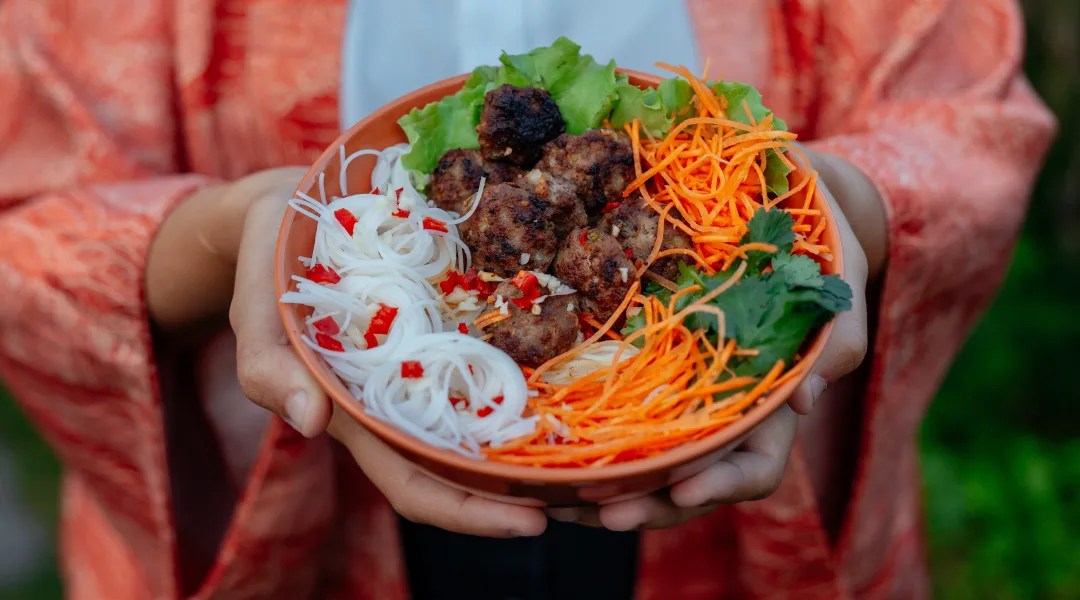
Ha Noi cuisine is not only about tasty dishes but also reflects the ingenuity and sophistication of its people in preparing and enjoying them. In addition to sightseeing, most visitors to the capital spend a lot of time tasting pho (beef rice noodle soup), cha ca La Vong (grilled fish with noodles), Bun cha Ha Noi (grilled pork with noodles), Banh cuon Thanh Tri (steamed rice rolls), and other famous specialties.
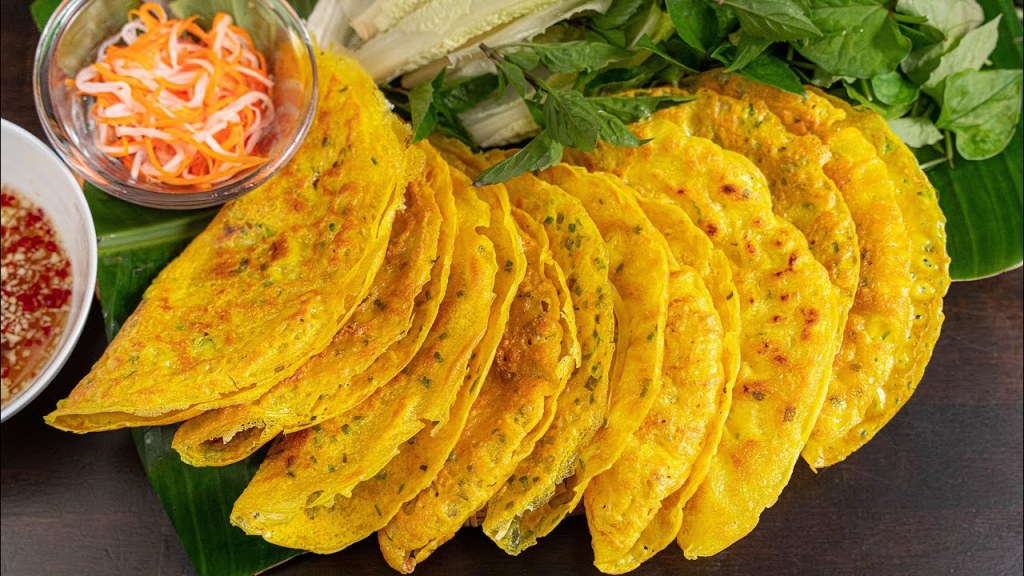
In early April, TasteAtlas, the online travel guide to traditional cuisines around the world, released an article titled “Top 100 Asian Street Foods“. The list includes representatives from Vietnam such as banh mi (Vietnamese sandwich), pho (noodle soup with beef or chicken), com tam (broken rice), cha gio (fried spring rolls), and banh xeo (crispy Vietnamese pancake).
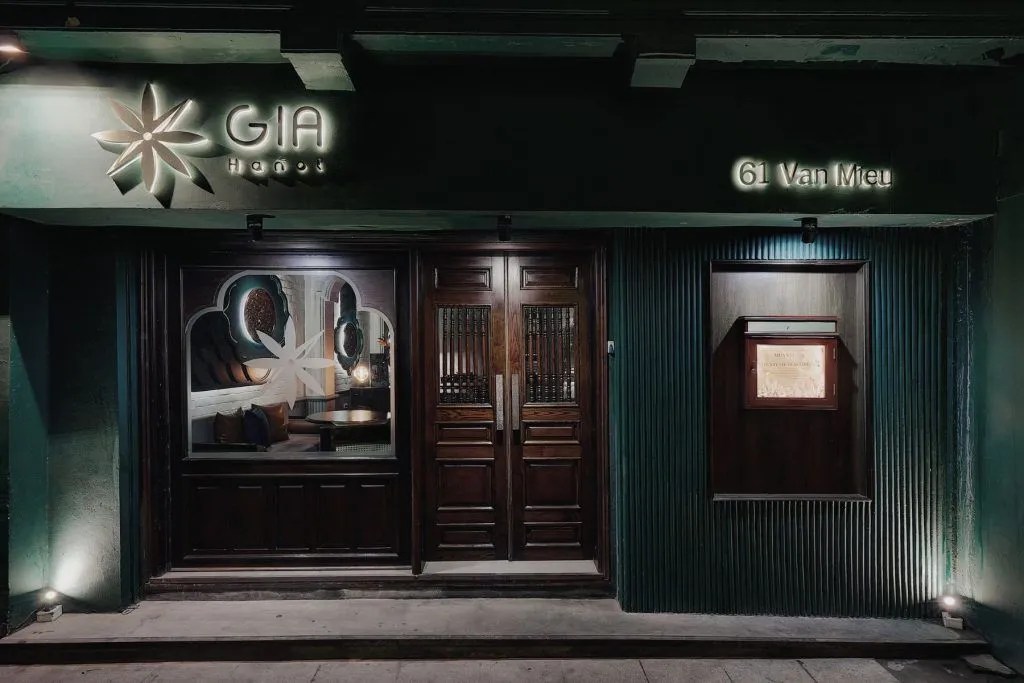
As for Ha Noi, the city was voted the world’s best food destination for 2024 by readers of the leading travel site TripAdvisor, after coming third in 2023. Last year, for the first time, 48 restaurants in Ha Noi – along with 55 in Ho Chi Minh City – were recommended by the Michelin Guide (the world’s most prestigious culinary guide). Four of them were awarded one star, including three in the capital.
Ha Noi’s cuisine is even attracting international politicians. Former US President Barack Obama enjoyed Bun cha in 2016, former South Korean President Moon Jae-in and his wife sampled beef pho in 2018, Australian Prime Minister Anthony Albanese enjoyed Banh mi during his official visit in June 2023, while Belarusian Prime Minister Roman Golovchenko enjoyed Banh mi and ca phe (coffee) with Vietnamese Prime Minister Pham Minh Chinh in the same year.
According to culinary expert Pham Thi Anh Tuyet, the appeal of Ha Noi’s dishes lies in their balanced ratio of healthy nutrients, as well as the careful selection of ingredients and delicate preparation, which help to preserve the typical flavors of traditional cuisine. “This makes Hanoians proud of a capital with a rich cuisine of its own identity, thanks to which it has been put on the world food map,” she said.
Promoting Ha Noi Cuisine Globally
Nguyen Trung Khanh, Chairman of Vietnam National Authority of Tourism, said the industry will step up global promotion of Vietnamese cuisine through international fairs, with a focus on Michelin-starred restaurants and hotels. At the same time, it will bring travel agencies and such restaurants together to organize culinary tours.
Commenting on the role of food in the growth of tourism, Mr. Khanh said that Vietnamese food is gradually making its way onto the world culinary scene thanks to dishes that are becoming popular with travelers from other countries. This has great potential to attract foreign tourists.

Developing Food Tours Step-by-Step
Recognizing the benefits of cuisine in promoting local culture and stimulating tourism demand, many localities have focused on developing their cuisine while planning and designing food tours. Hai Phong Food Tour is a successful tourism product, and travelers can easily get a taste of its digital food map.
Tourists can also enjoy a variety of royal cuisine experiences in Thua Thien Hue province. However, many experts say that Ha Noi, in particular, and Vietnam as a whole, have yet to fully realize the potential of culinary tourism.
Duong Van Hung, Standing Vice President of the Vietnam Chefs Association, said many culinary streets have been formed in Ha Noi, but they are still untidy and unsightly and mainly offer street food and fast food, not presenting the quintessence of Ha Noi cuisine. “Vietnamese cuisine is still expressed through street culture, so it’s important to control food safety to improve Vietnamese cuisine,” he stressed.
According to Phung Quang Thang, Chairman of the Ha Noi Travel Association, many travel agencies have developed food tours, but they are not yet effective. Cuisine promotion activities are still fragmented and ineffective. In addition, tourism staff lack a deep understanding of culinary culture to explain to tourists. They also have yet to proactively explore and revive ingredients, spices, and recipes for traditional dishes or invent new ones.
Planning for Culinary Tourism
Pham Hong Long, Dean of the Faculty of Tourism Studies at the University of Social Sciences and Humanities (Vietnam National University – Ha Noi), stressed the need for a master plan for the culinary business to develop in a stable and healthy way. As Ha Noi expands and its population grows, the culinary business will have ample room for further development. Therefore, it is necessary to anticipate needs and trends for proper planning, while plans must always be adjusted according to actual developments to be successful.
Meanwhile, Flamingo Redtours CEO Nguyen Cong Hoan believed that culinary tourism is a highly cultural and artistic service sector. To launch themed food tours in Ha Noi, two factors need to be identified first: “highlight” and “standard”. Specifically, it is crucial to select highlight dishes for promotion and build a system of professional restaurants specializing in Vietnamese cuisine.
This requires Ha Noi to have policies that support the branding and development of internationally recognized restaurants, thereby raising the status of Ha Noi cuisine in particular and Vietnamese cuisine in general
Nguyen Cong Hoan, CEO, Flamingo Redtours
Chef Nguyen Thi Anh Tuyet added that in recent years, Ha Noi has been honored several times by major world media and renowned travel websites that favor culinary tours. However, in addition to the efforts of businesses, this requires authorities and managers to review strategies, experiences, communication, and marketing methodically. In this way, Ha Noi tourism and cuisine in particular, and Vietnamese cuisine in general, can attract crowds of tourists to the capital and the country.
By focusing on the development and promotion of its rich culinary heritage, Ha Noi aims to become a top food destination, drawing food enthusiasts from around the globe to experience its unique and delicious cuisine.
 Australian Hospitality Alumni Network Vietnam