

The hotel industry is witnessing a notable shift as establishments increasingly prioritise sleep-related amenities to meet the demands of today’s travellers. This trend, often referred to as “sleep tourism,” has gained significant traction since its emergence in 2023 and shows no signs of slowing down.
Experts predict a robust growth trajectory for sleep tourism throughout 2024. Market research conducted by HTF Market Intelligence forecasts an approximate 8% annual growth rate in this sector, projecting a staggering revenue of $400 billion between 2023 and 2028. This surge is further evidenced by a surge in global searches for “how to sleep better,” indicating a heightened awareness among travellers regarding the importance of quality sleep during their trips.
Rebecca Robbins, a renowned sleep scientist from Harvard Medical School, highlights the growing importance travellers place on quality sleep during their journeys. She notes that a significant portion of adults fail to meet the recommended nightly sleep duration of 7-9 hours, leading to impaired cognitive function and adverse effects on mental well-being.
According to CNN, more hotels are “making every effort to help guests achieve good sleep,” offering services such as smart beds, luxurious bedding, blackout curtains, and health care treatments. Amanda Al-Masri, Vice President of Health Services at Hilton, mentions initiatives such as temperature-regulating mattresses and soothing lighting setups aimed at enhancing guests’ sleep quality.
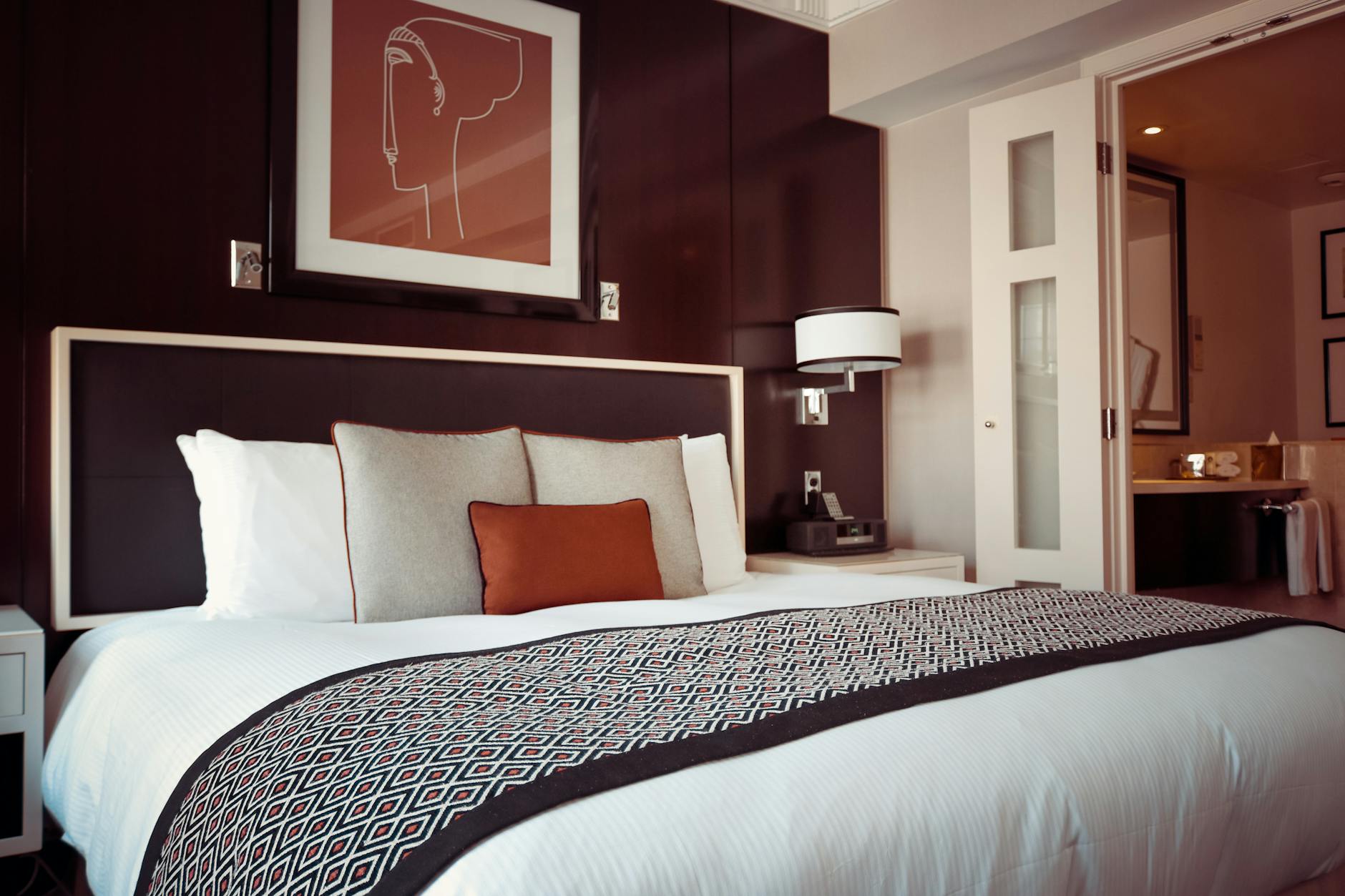
Hotel brands like Rome Cavalieri and Waldorf Astoria offer guests a choice of suitable sleeping pillows. Conrad Bali introduces the SWAY experience, a 60-minute sleep therapy session in a cocoon hammock. Park Hyatt (New York City, USA) launched the Bryte Restorative Sleep Suite, a 900m2 room with an AI-managed smart bed, essential oil diffuser, and sleep improvement-related books.
The Benjamin Royal Hotel (New York City, USA) offers the Rest & Renew package, providing guests with sleep aids such as eye masks, music playlists, white noise machines, and 10 different pillow types. The Six Senses hotel chain, present in countries like Greece, India, and Vietnam, implements sleep improvement programs using sleep monitoring devices and hiring consulting physicians.
For travellers seeking complete relaxation, Zedwell hotels in London (UK) provide rooms without distractions like TVs, landline phones, or even windows. These soundproof rooms offer fresh air, contributing to a peaceful environment. Similarly, Cadogan Hotel in London collaborates with sleep expert and hypnotherapist Malminder Gill to offer a “Sleep Guidance” service paired with meditation. Guests receive suitable weighted pillows and blankets and can even book a therapy session with Gill to support their sleep.
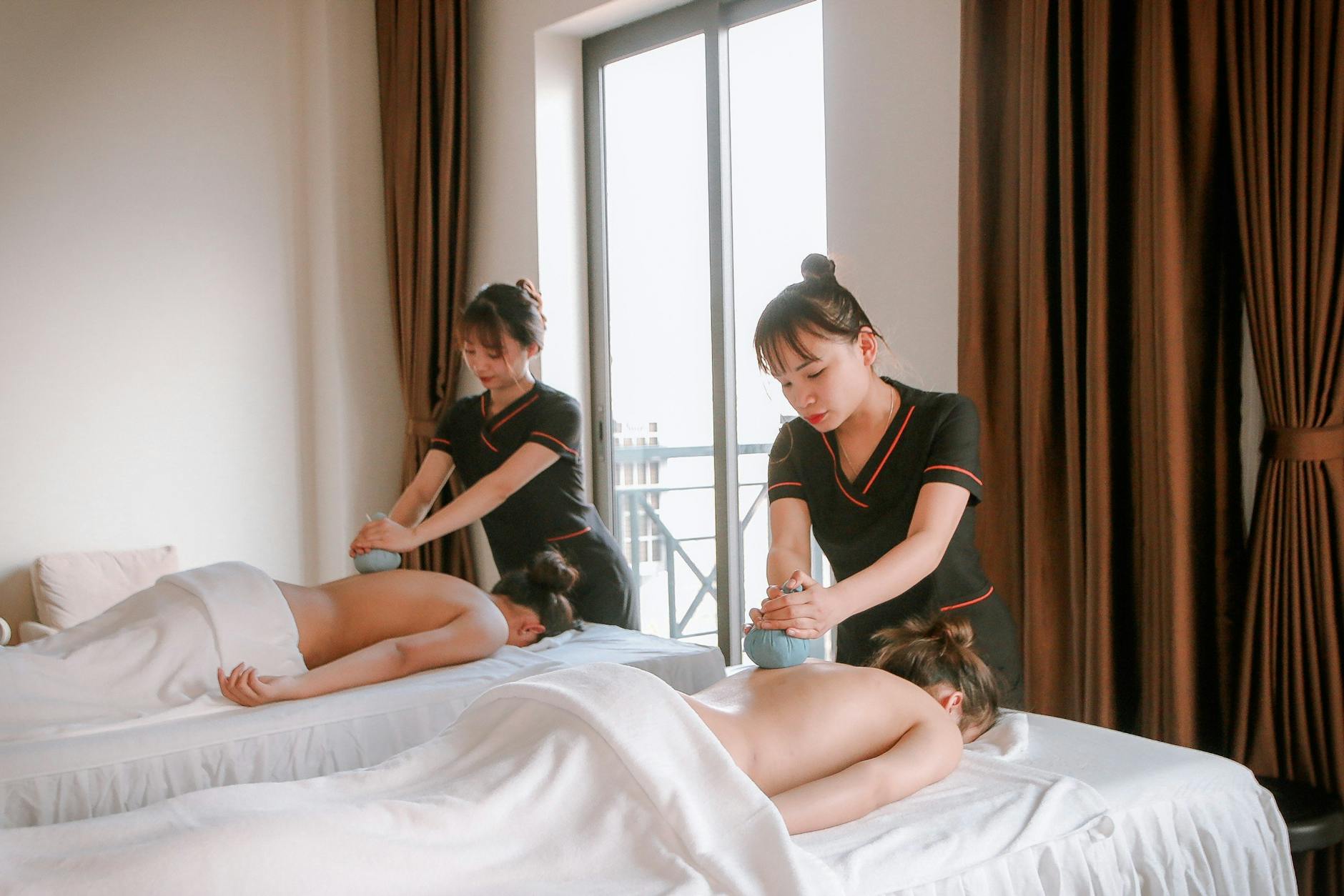
In Asia, a “smart hotel” set to open in Japan will monitor guests’ heart rate, breathing, and other data to assess sleep quality. Japan’s NTT Data technology group plans to open this hotel near Shinagawa Station in Tokyo in July 2024, accommodating up to 70 guests, as reported by Nikkei Asia. The NTT Data hotel will collect data through infrared cameras, microphones, and body movement sensors installed in each sleeping pod.
The system will track guests’ sleep patterns, wake-ups, body movements, heart rate, breathing, and snoring sounds. Core body temperature sensors developed by NTT’s laboratory will also be utilised. Personal data will be analysed using AI, and guests will receive reports detailing sleep trends and improvement suggestions. If treatment is needed, the system will refer guests to collaborating hospitals.
A recent survey conducted by OnePoll, Hotels.com, and the American National Sleep Foundation revealed that hotels are where most Americans find it easiest to fall asleep, with about 3 out of 4 individuals (75%) feeling more peaceful spending a night in a hotel than at home. 35% of respondents reported sleeping better in hotels due to less disruptive noise, and another 35% slept better because they could leave behind worries and responsibilities at home.
Melanie Fish, a hotel travel expert at Hotels.com, notes that “The quality of bedding also contributes to better sleep-in hotels.” According to Fish, Hotels.com encourages hotels to constantly innovate to improve guests’ sleep experiences. Some hotels provide white noise machines, while others design menus with advice on choosing the right pillows for guests.
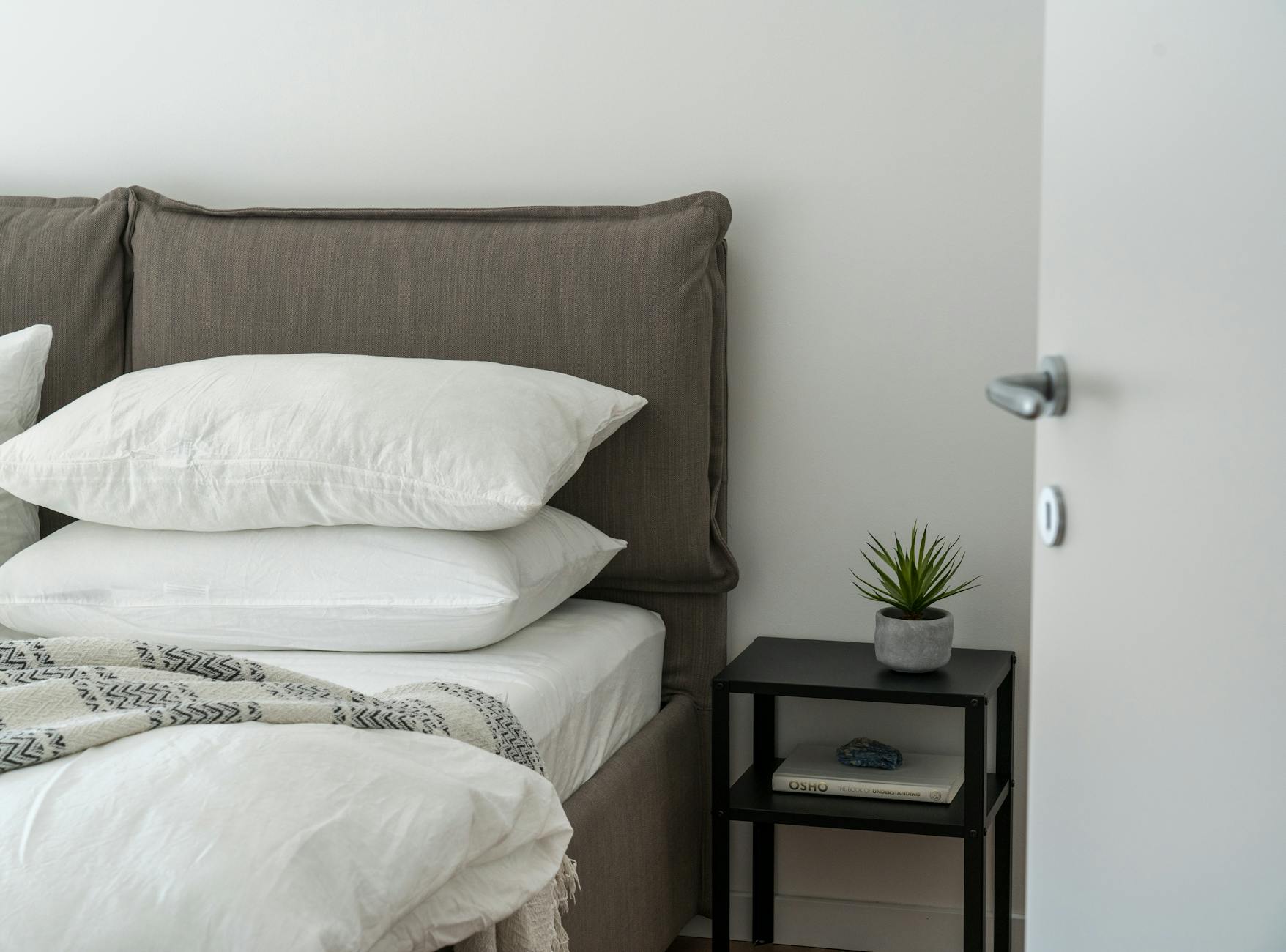
An interesting finding from the survey is that 80% of respondents said they would trade 10 hours of sleep at home for a relaxing night at a 5-star hotel. “We understand the importance of good sleep, but this survey shows that luxury may be worth trading for good sleep,” Fish said.
The global market for “sleep technology,” including smartwatches, is estimated to reach $95 billion by 2032, according to a report by the US-based research firm Global Market Insights. Sleep support products are emerging as a rapidly growing industry. In 2021, the global sleep support market was valued at $64.08 billion, with an expected staggering growth rate of 7.1% by 2030. Therefore, many industry experts note that “sleep tourism” will emerge as a gentle breeze into modern society.
While most facilities focus on sleep and luxury travel experiences, experts believe that all hotels and resorts should prioritise this aspect. Rebecca Robbins says, “As the trend of travel for sleep improvement continues to grow, we hope that travellers can return home feeling refreshed and energised.”
 Australian Hospitality Alumni Network Vietnam