
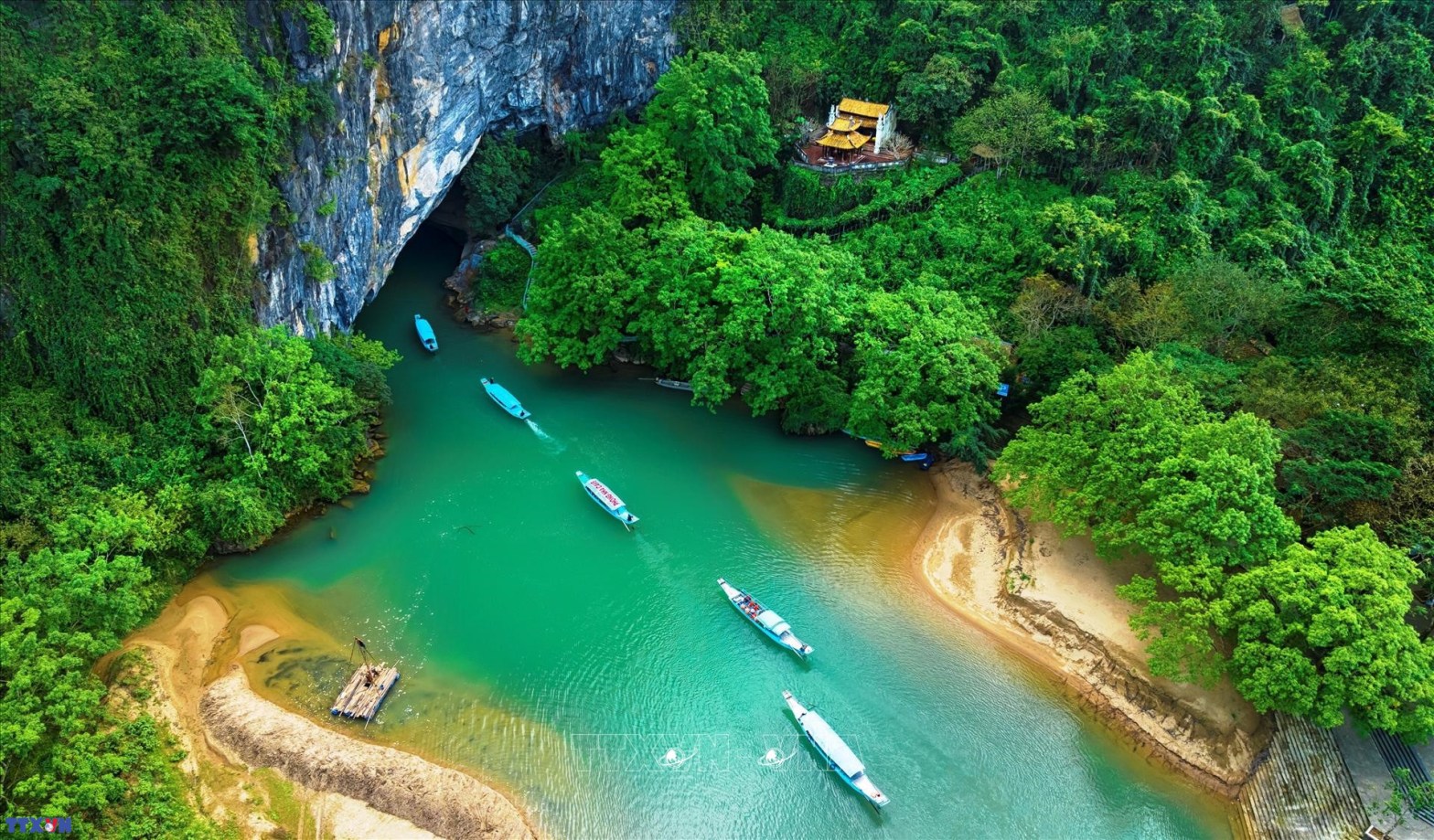
With its rich natural assets and increasingly defined policy direction, Vietnam is steadily positioning itself as one of Southeast Asia’s leading eco-tourism destinations, balancing economic growth with environmental preservation.
According to Travel and Tour World, the country has undergone a notable shift in recent years, placing greater emphasis on nature-based tourism as part of a more sustainable development strategy. This transition not only aligns with global travel trends but also reflects a growing need to protect natural resources while appealing to environmentally conscious travelers.
The Vietnamese government has taken early steps to guide this transformation. Under the national tourism master plan for 2021-2030, with a vision to 2050, eco-tourism is prioritized alongside biodiversity conservation and responsible resource management. Local authorities are encouraged to develop green tourism products while raising awareness among both communities and visitors, ensuring that development and conservation go hand in hand.
Vietnam’s ecological strength underpins this ambition. Ranked among the world’s top 20 countries in biodiversity, it is home to more than 30 national parks and numerous nature reserves. Destinations such as Phong Nha-Ke Bang, Cuc Phuong, and Ba Be National Parks are emerging as key hubs for eco-tourism, offering experiences that extend beyond sightseeing to include trekking, birdwatching, camping, and ecological exploration.
Community involvement has been a defining factor in Vietnam’s eco-tourism development. In Sa Pa, ethnic minority communities have successfully introduced homestay models and cultural experiences, allowing visitors to engage with local traditions and daily life. Similarly, in the Mekong Delta, eco-tourism centered on river landscapes, mangrove ecosystems, and agricultural activities is gaining traction, with local residents playing an active role as guides and hosts.
By combining natural richness, strategic policy, and community-driven approaches, Vietnam is building a tourism model that is both sustainable and competitive – positioning itself as a key eco-tourism destination in the region.
 Australian Hospitality Alumni Network Vietnam