
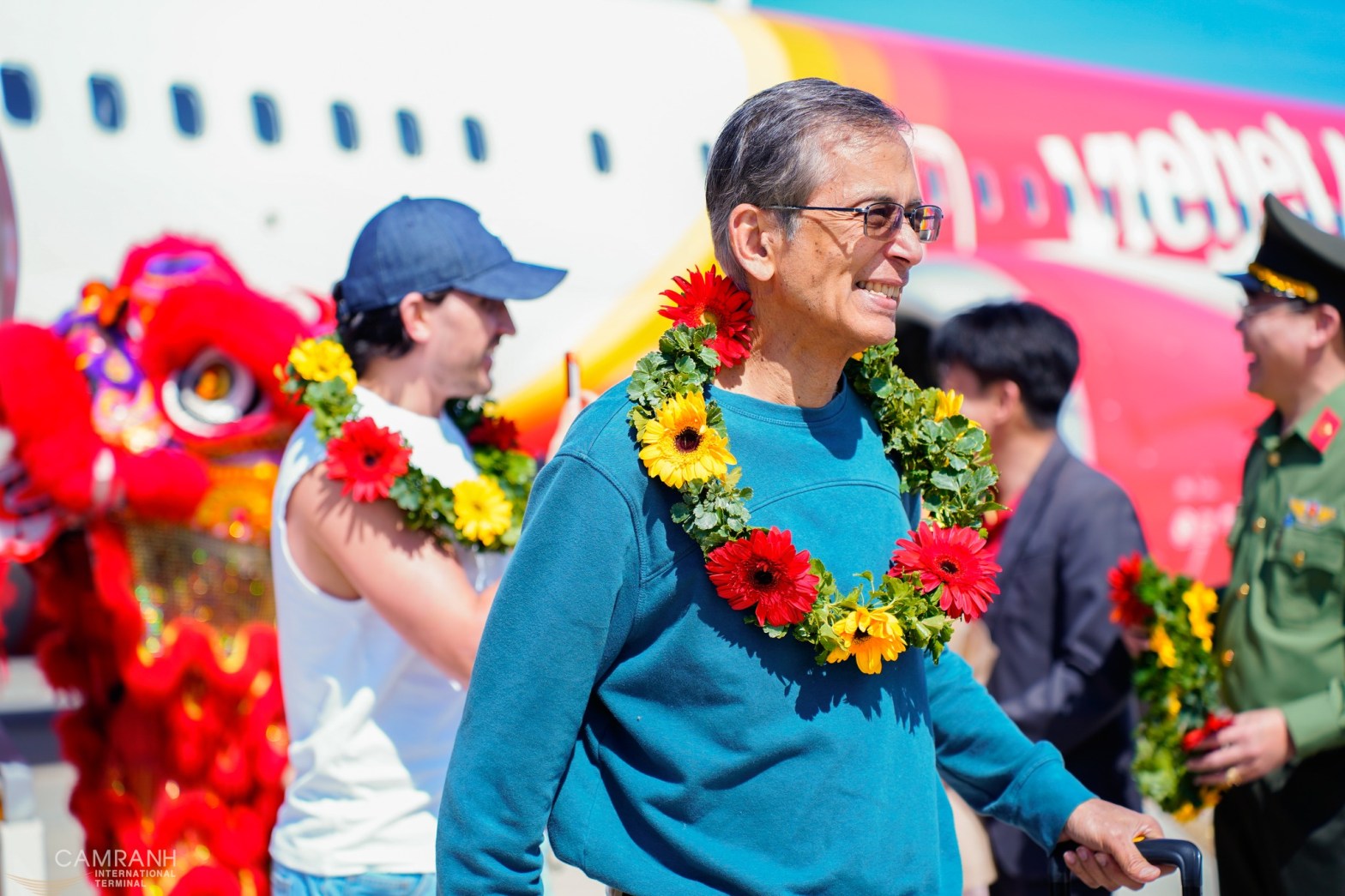
Khanh Hoa Province plans to become a premier marine tourism hub by 2030, aiming for 33 million annual visitors, with a focus on international travelers. Tourism is projected to contribute 20% of regional GDP, supported by 100,000 hotel rooms and over 300,000 jobs. The strategy emphasizes sustainability and cultural integration.
Khanh Hoa Province has unveiled an ambitious tourism development plan, positioning itself as an international hub for marine tourism by 2030.
Announced at a ceremony on Friday, the strategy aims to leverage the province’s coastal strengths to establish a flagship destination in Southeast Asia. Tourism is expected to play a central role in the local economy, contributing around 20 percent of gross regional domestic product and supported by a unified ecosystem and clear brand identity.
By 2030, Khanh Hoa targets 33 million annual visitors, with international travelers accounting for 40-45 percent. The average length of stay is projected to reach four to five days, while per capita spending is expected to increase by 1.5 to two times compared to 2025 levels.
To support this growth, accommodation capacity is set to expand to approximately 100,000 rooms, with 75 percent meeting three- to five-star standards. The sector is also expected to generate employment for more than 300,000 workers.
Looking further ahead, by 2045, Khanh Hoa aims to be recognized globally as one of Asia’s leading beach destinations, offering high-value tourism products and services.
The plan is built on six strategic pillars: developing a premier destination, strengthening brand identity, improving connectivity, enhancing visitor experiences, securing financial resources, and advancing smart governance. A total of 36 key initiatives will focus on institutional reform, infrastructure development, product diversification, digital transformation, workforce training, and investment promotion.
Sustainability is a core priority, with an emphasis on green transition, modern destination management, and the development of a vibrant night-time economy. At the same time, signature cultural assets, including bird’s nest products, agarwood, Cham heritage, and the Kate festival, will be integrated to shape a distinctive and competitive destination identity.
 Australian Hospitality Alumni Network Vietnam