
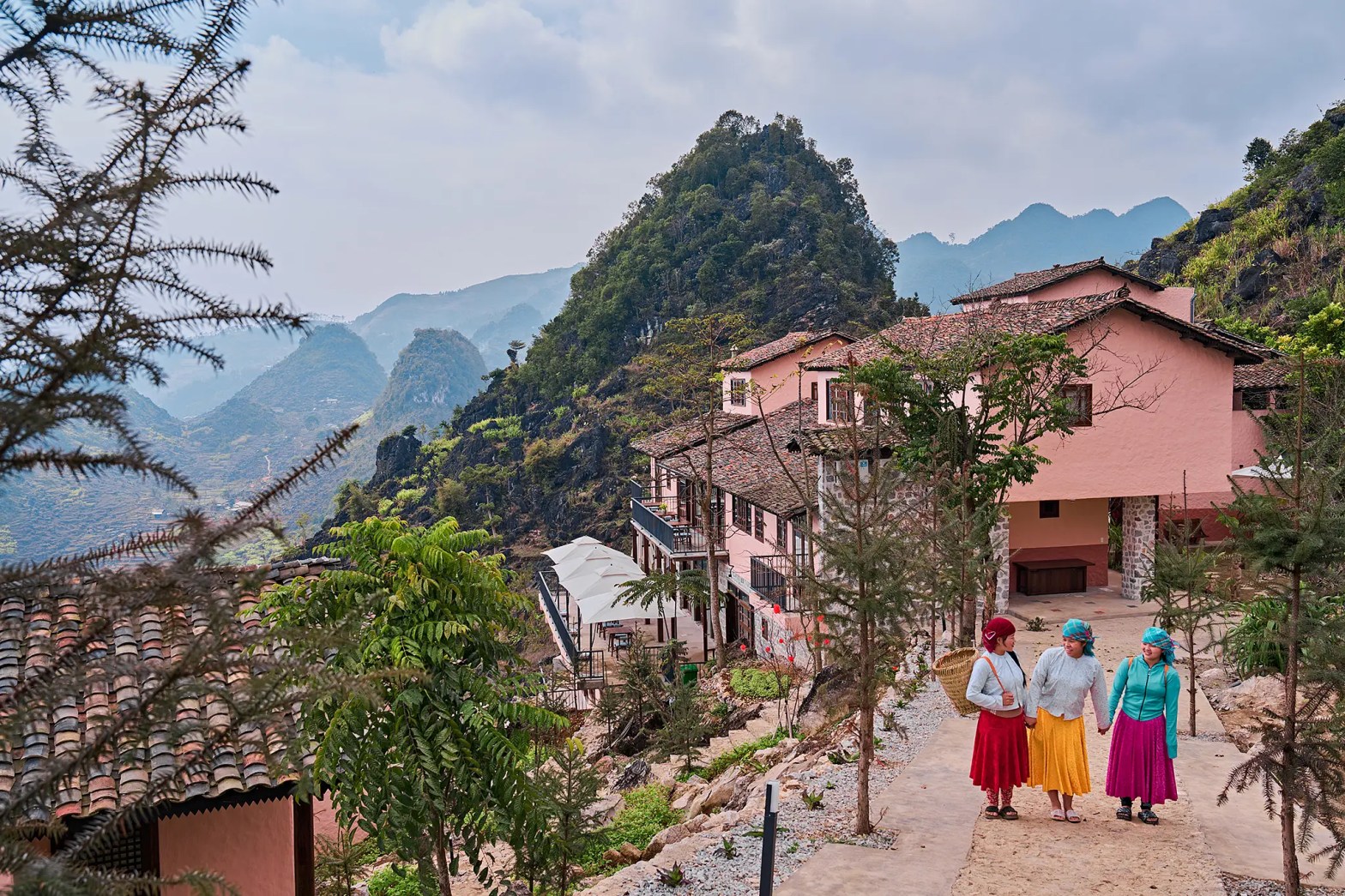
Ha Giang Aya Lodge, opened in early 2026 by Local Vietnam in Sung Trai village, offers a unique tourism experience that integrates local culture with comfort for international travelers. It emphasizes community involvement, environmental harmony, and cultural immersion, while providing training and employment opportunities for locals, ensuring meaningful benefits to the region.
A new lodge has opened in the mountainous region of Ha Giang, now part of Tuyen Quang Province, offering an alternative approach to tourism development in northern Vietnam.
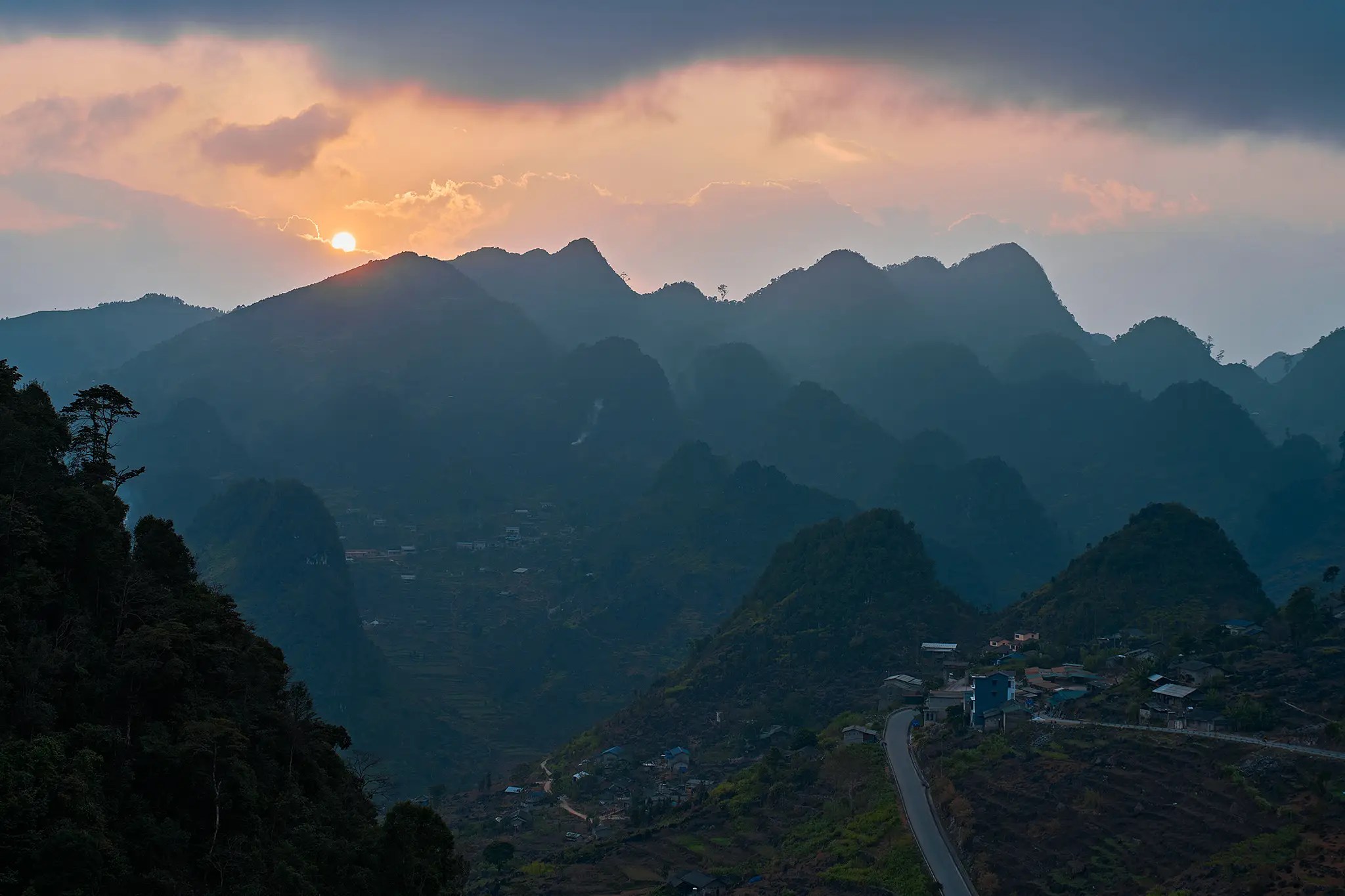
Ha Giang Aya Lodge, developed by Vietnam-based travel company Local Vietnam, officially opened in early 2026 along the Ha Giang Loop. Rather than being situated in a conventional tourist hub, the lodge is located within the Hmong village of Sung Trai, where it integrates local ways of living with the level of comfort expected by international travelers.
Local Vietnam is operated by founders Nhung Phung, Duong Phung, and Dutch co-founder Marnick Schoonderwoerd, who have spent years working and traveling across northern Vietnam. Their vision for the project centers on creating a tourism model that works in harmony with the surrounding environment and community, rather than operating as a standalone resort.
“Ha Giang has remarkable landscapes and deeply rooted cultural traditions,” Schoonderwoerd shared. “As the region gains visibility, it becomes increasingly important to develop tourism in a way that respects local identity and benefits the communities who live here.”
Set within an active Hmong village, the lodge allows guests to experience daily life as it naturally unfolds, rather than through staged tourism activities. A nearby weekly market, where ethnic groups from surrounding areas gather, further enriches this cultural immersion.
A significant portion of the lodge’s staff are recruited locally, with on-site training programmes including English language education to support long-term employment opportunities. The team is also involved in community initiatives such as teaching at local schools and supporting small-scale infrastructure projects.
“We want tourism to create meaningful opportunities at a local level,” said Nhung. “The lodge should feel like part of the community, not separate from it.”

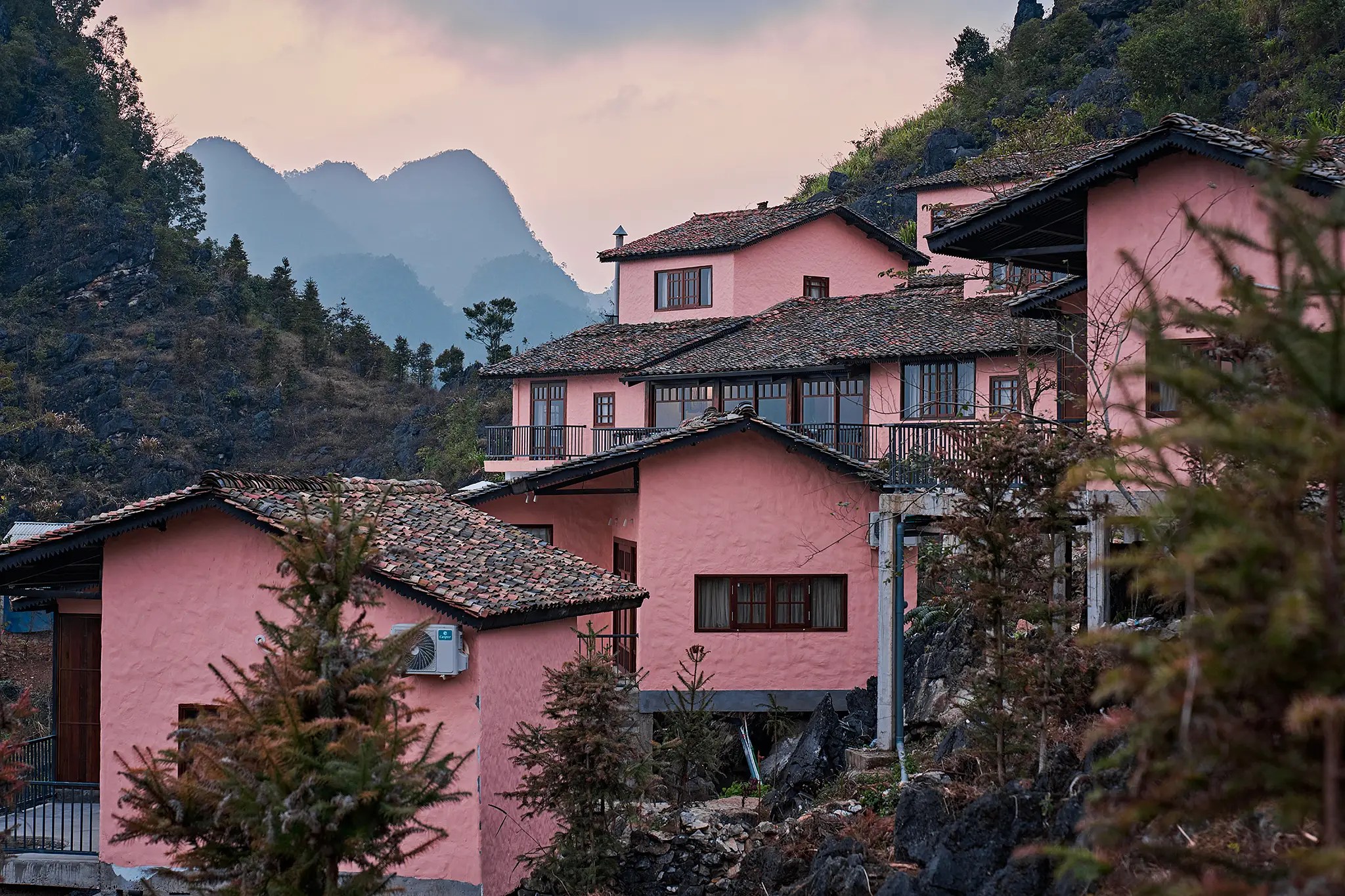
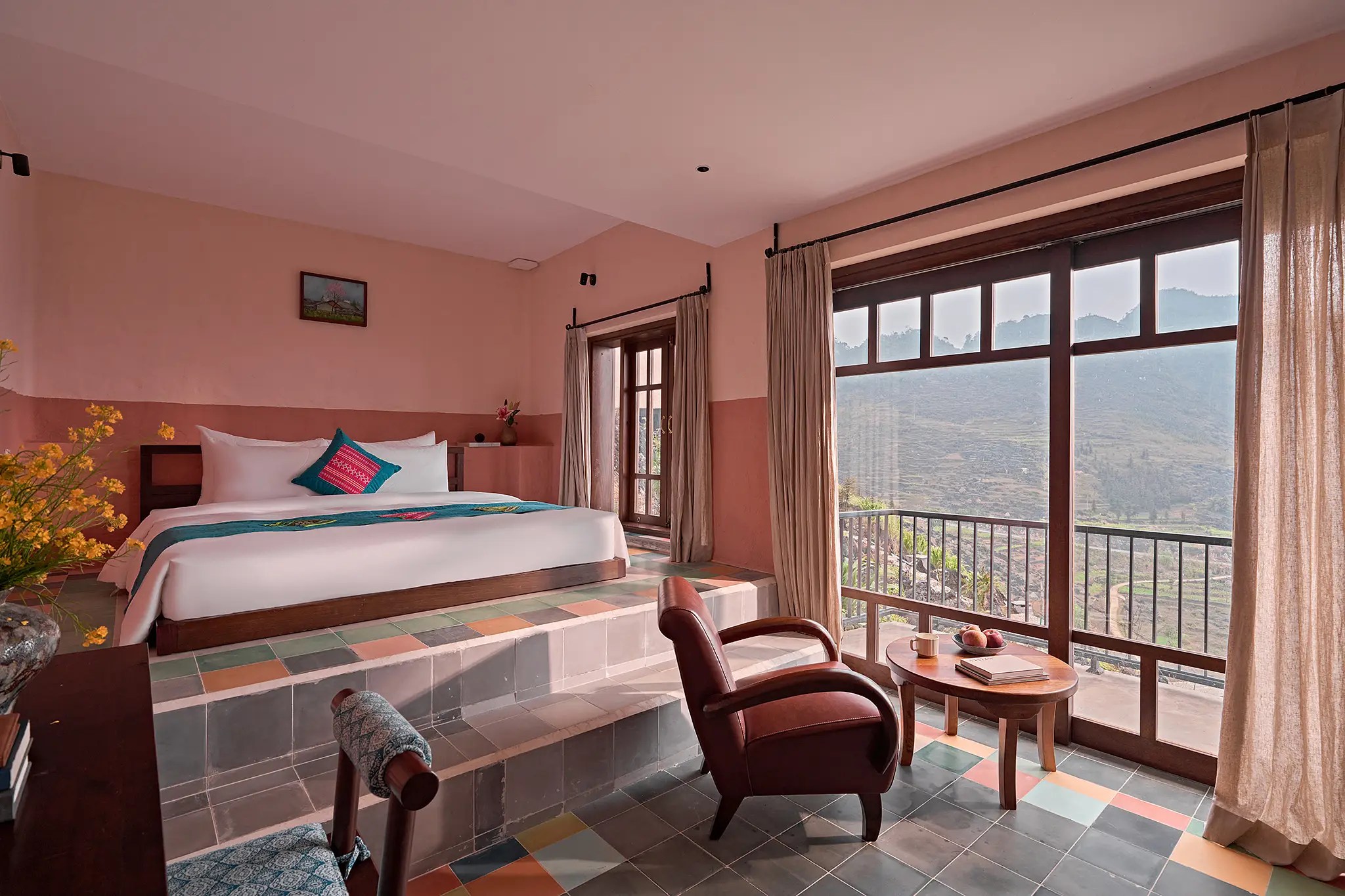
While prioritizing cultural integration, the lodge also maintains essential comfort standards. Rooms are equipped with high-quality bedding, seasonal heating and cooling, and views overlooking the region’s limestone mountains and valleys. The architecture, designed by Vietnamese architect Tung Le, incorporates natural materials and draws inspiration from traditional regional design, allowing the structure to blend seamlessly into its surroundings.
The opening of Ha Giang Aya Lodge reflects Local Vietnam’s broader approach to travel, focusing on lesser-known destinations and creating experiences that balance cultural authenticity with thoughtful hospitality.
 Australian Hospitality Alumni Network Vietnam