
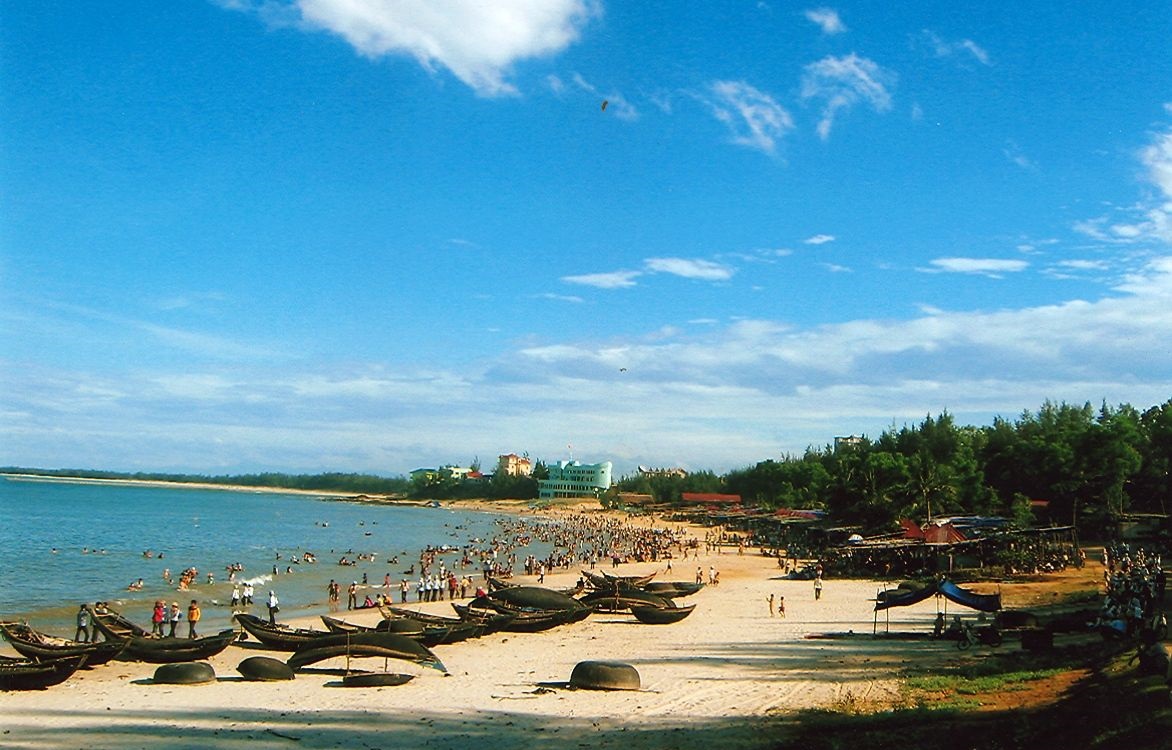
Cua Tung Beach, located 35 kilometers from Dong Ha City, was once a celebrated destination in central Vietnam, praised for its beauty and luxury during the French colonial era. Over time, coastal erosion and infrastructure developments have drastically changed its landscape. Efforts to restore the beach are underway but lack a definitive plan.
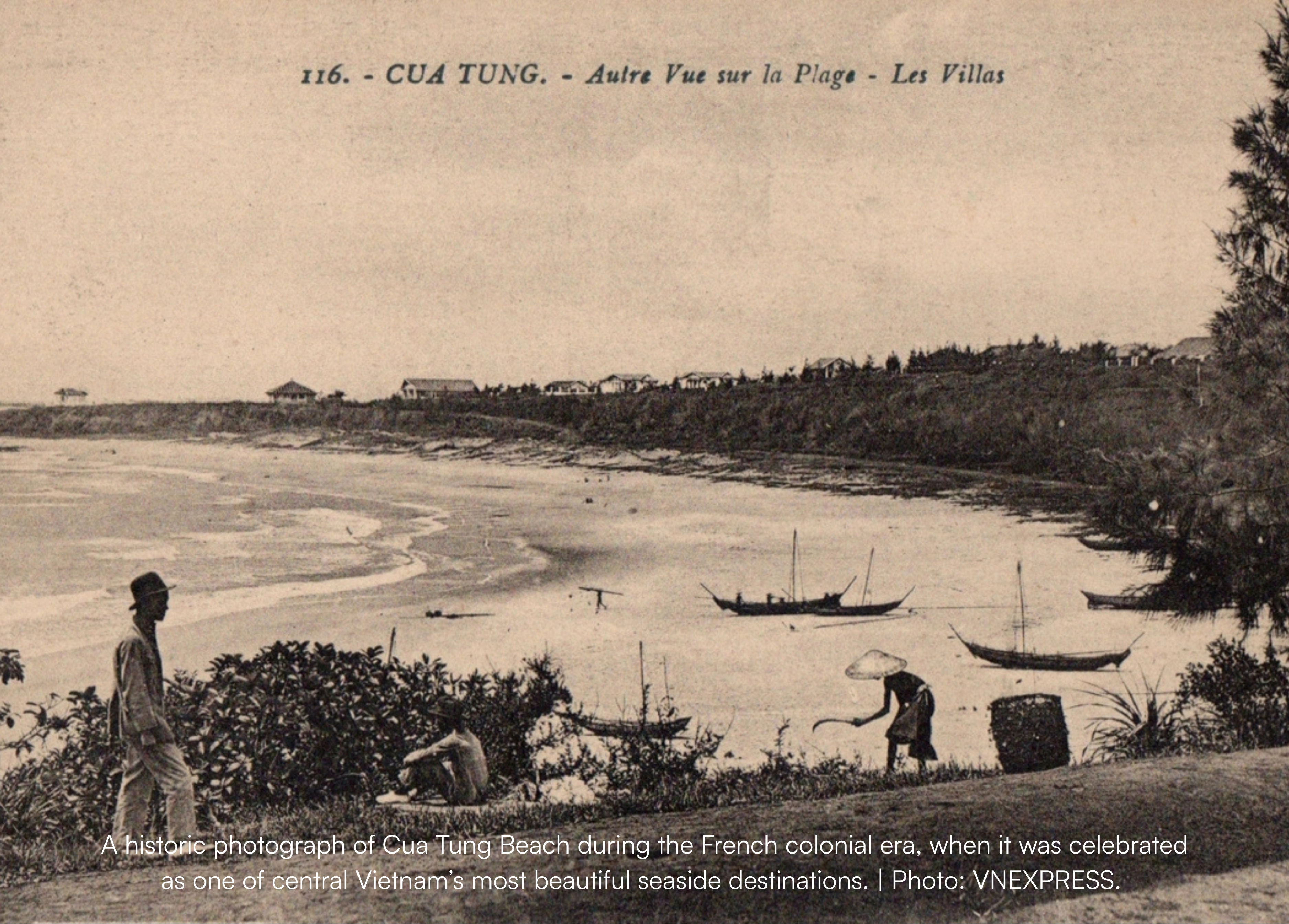
Located about 35 kilometers from Dong Ha City in Quang Tri Province, Cua Tung Beach was once among the most renowned seaside destinations in central Vietnam during the early 20th century. The French administration famously described it as the “queen of the beaches,” praising its long stretch of white sand and pristine natural landscape.
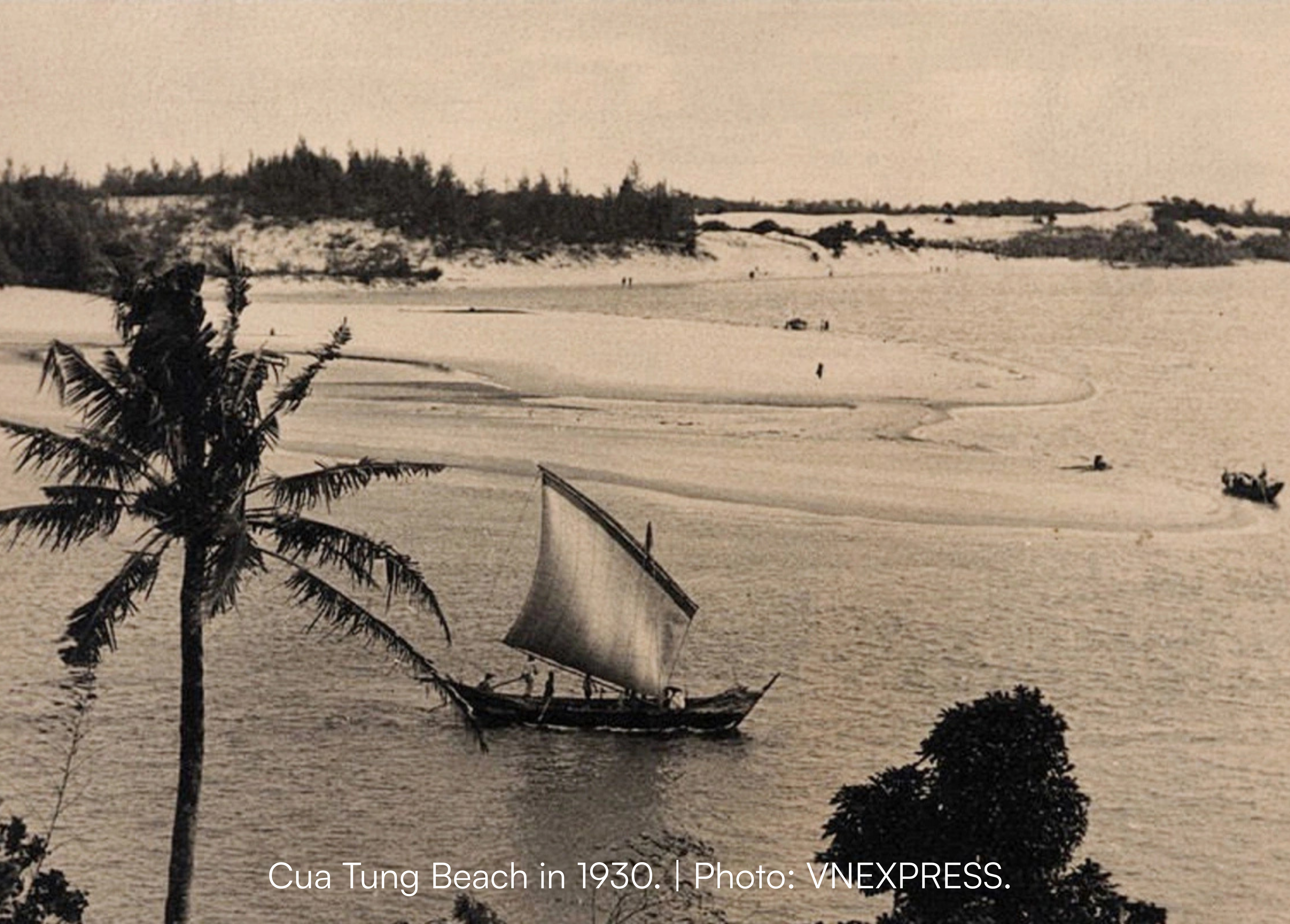
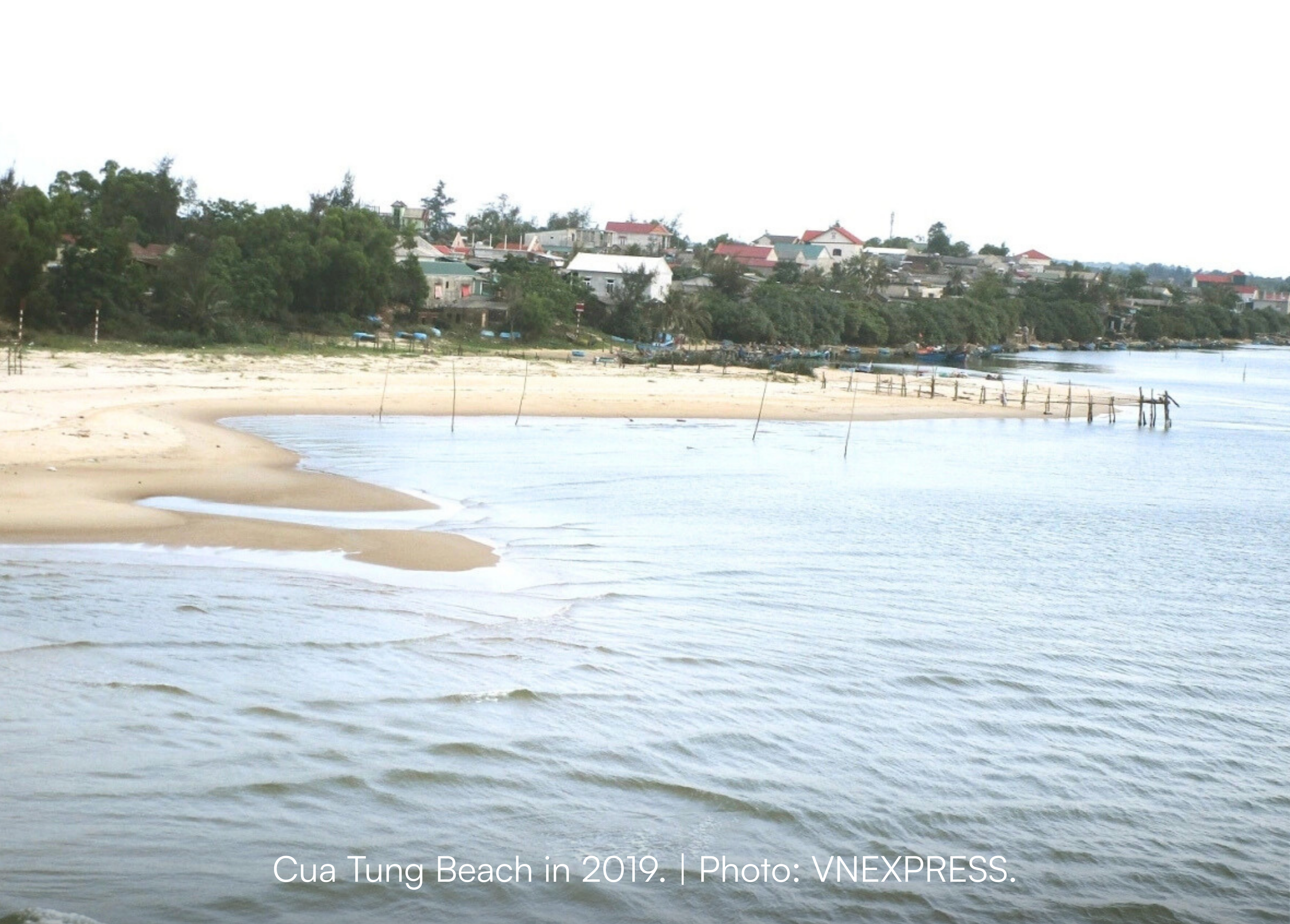
A collection of historical photographs documenting Cua Tung has been compiled by the Association des Amis du Vieux Hué, a 113-year-old academic and cultural organization dedicated to researching and preserving the historical, cultural, and architectural heritage of Hue and central Vietnam. One comparison juxtaposes an image of Cua Tung Beach from 1930 with a photograph taken in 2019, illustrating the dramatic transformation of the coastline over time.
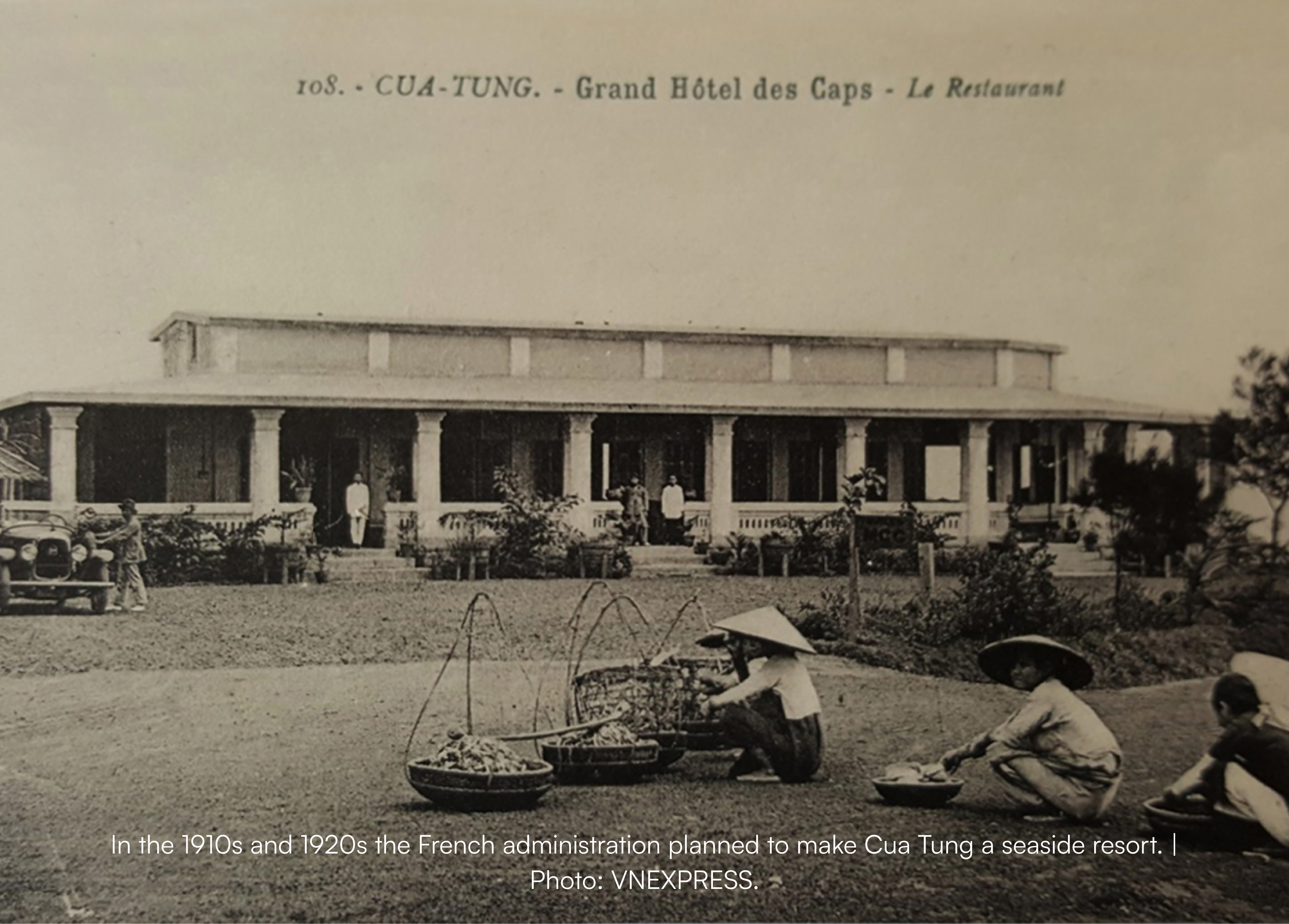
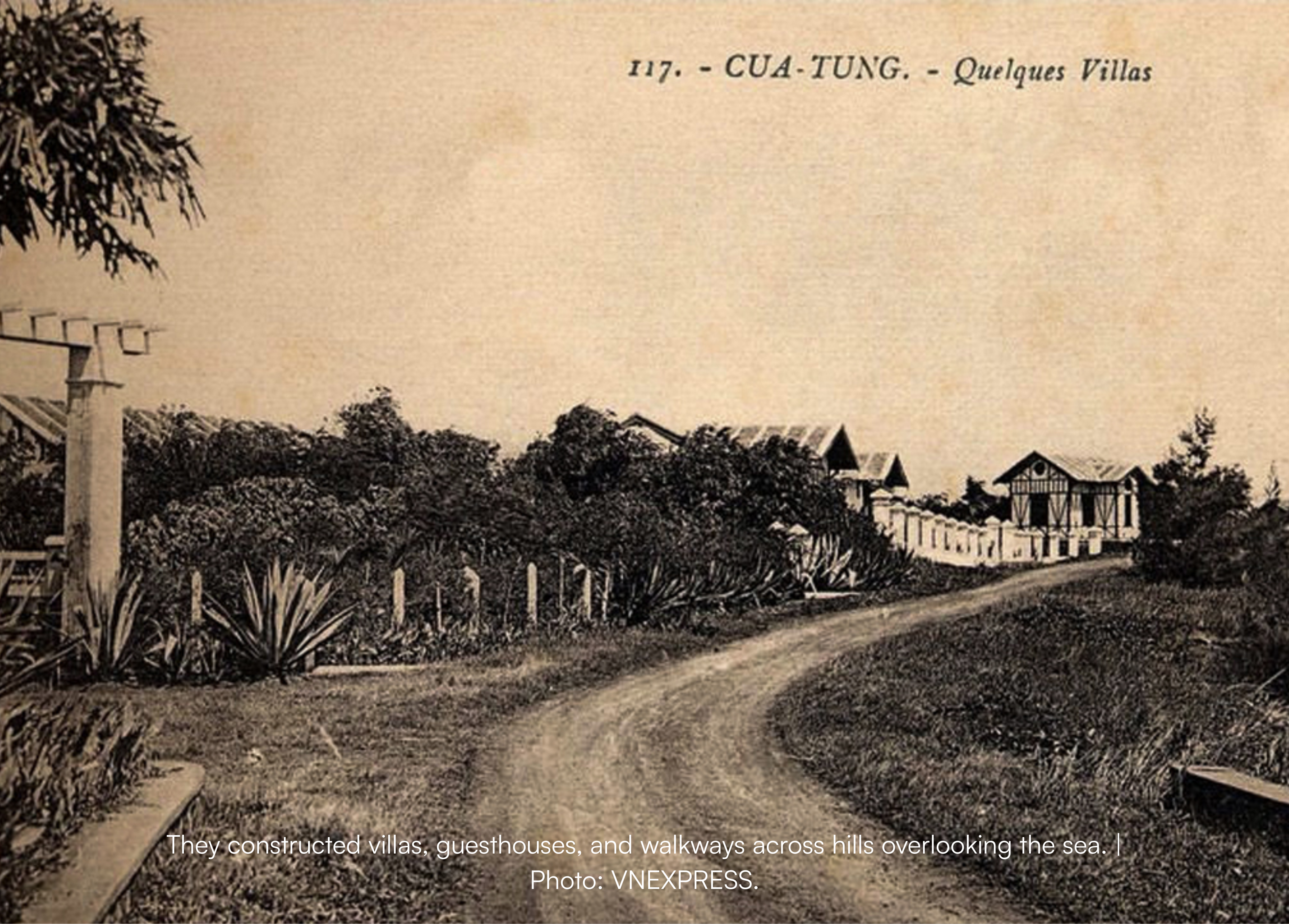
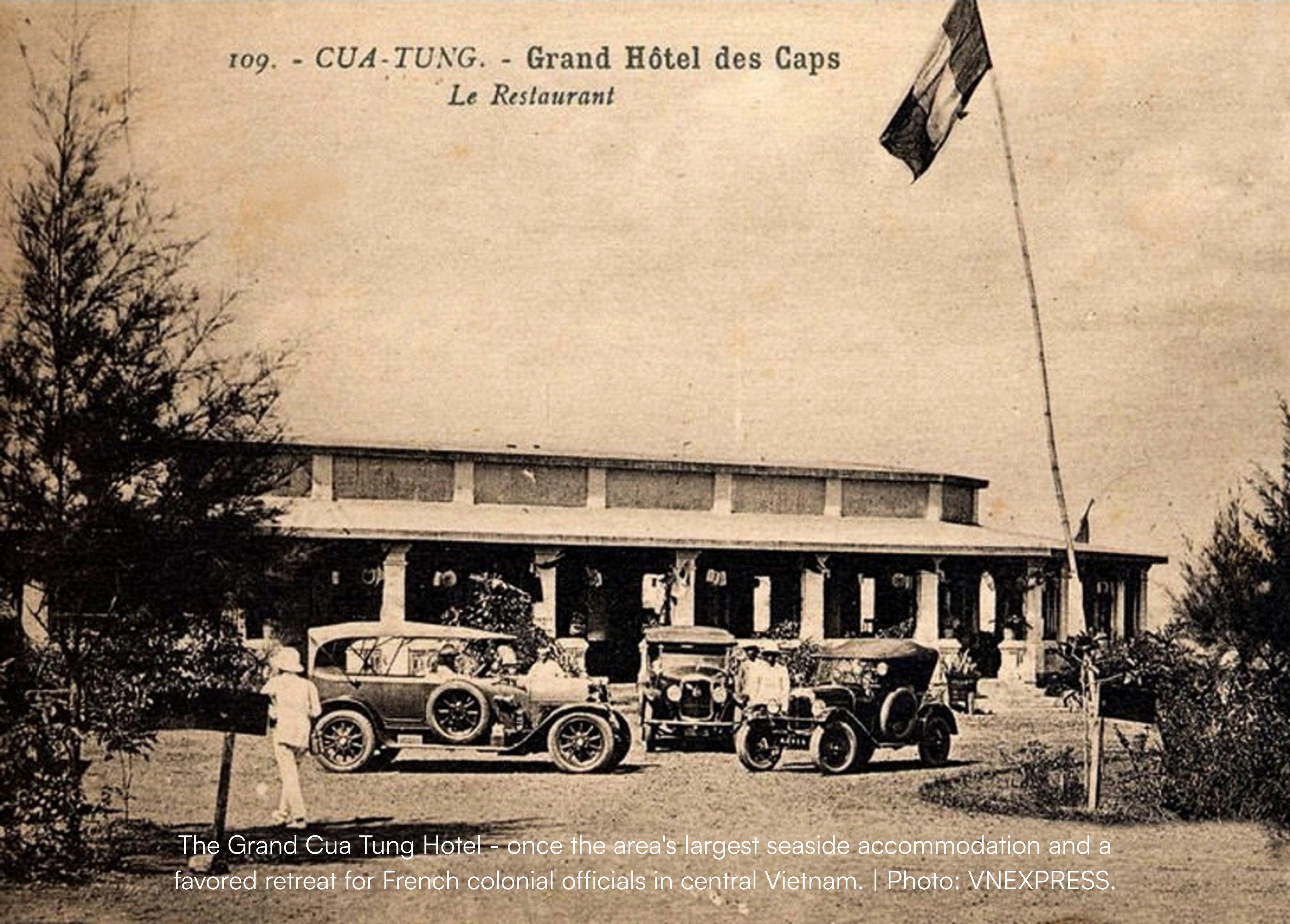
Historical records show that during the 1910s and 1920s, the French administration planned to develop Cua Tung as a seaside resort. Villas, guesthouses, and scenic walkways were built along the hills overlooking the sea. Among the earliest and most notable establishments was the Grand Cua Tung Hotel, mentioned in several colonial-era documents. It served as the largest accommodation facility in the area and hosted French officials and military personnel stationed in central Vietnam.
In the summer of 1962, renowned Vietnamese writer Nguyen Tuan visited Cua Tung and devoted several pages to the beach in his work Between War and Peace. He described it as one of the most beautiful beaches in Vietnam, where the sea changed colors with the sunlight, shifting from green to blue and even pink.
“While ordinary colonial residents vacationed at Sam Son Beach, high-ranking officials chose Cua Tung,” he wrote.
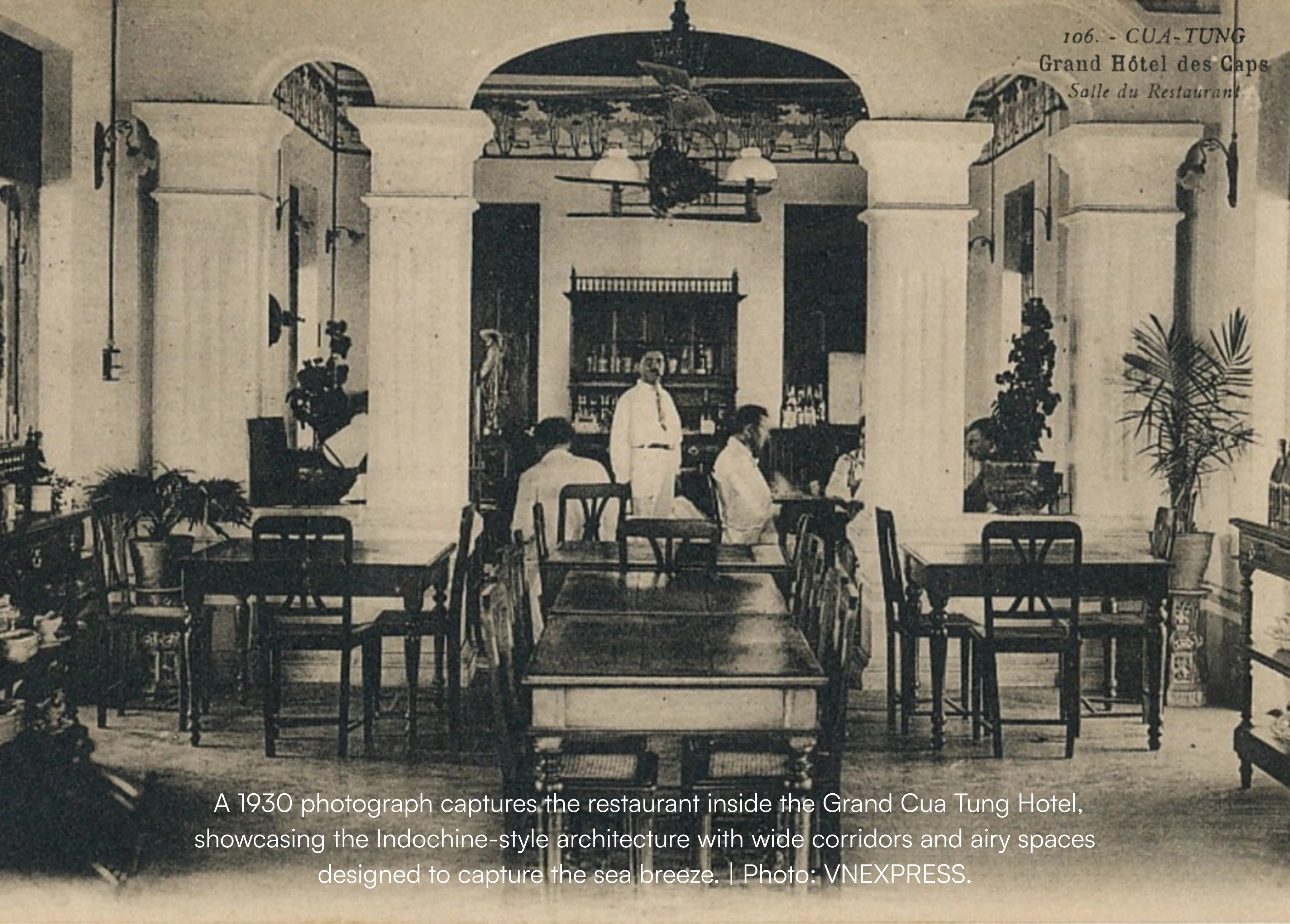
Many of the buildings constructed during this period followed Indochine architectural style, featuring tiled roofs, low-rise structures, wide corridors, and numerous windows designed to capture the sea breeze. A photograph from 1930 shows the restaurant inside the Grand Cua Tung Hotel.
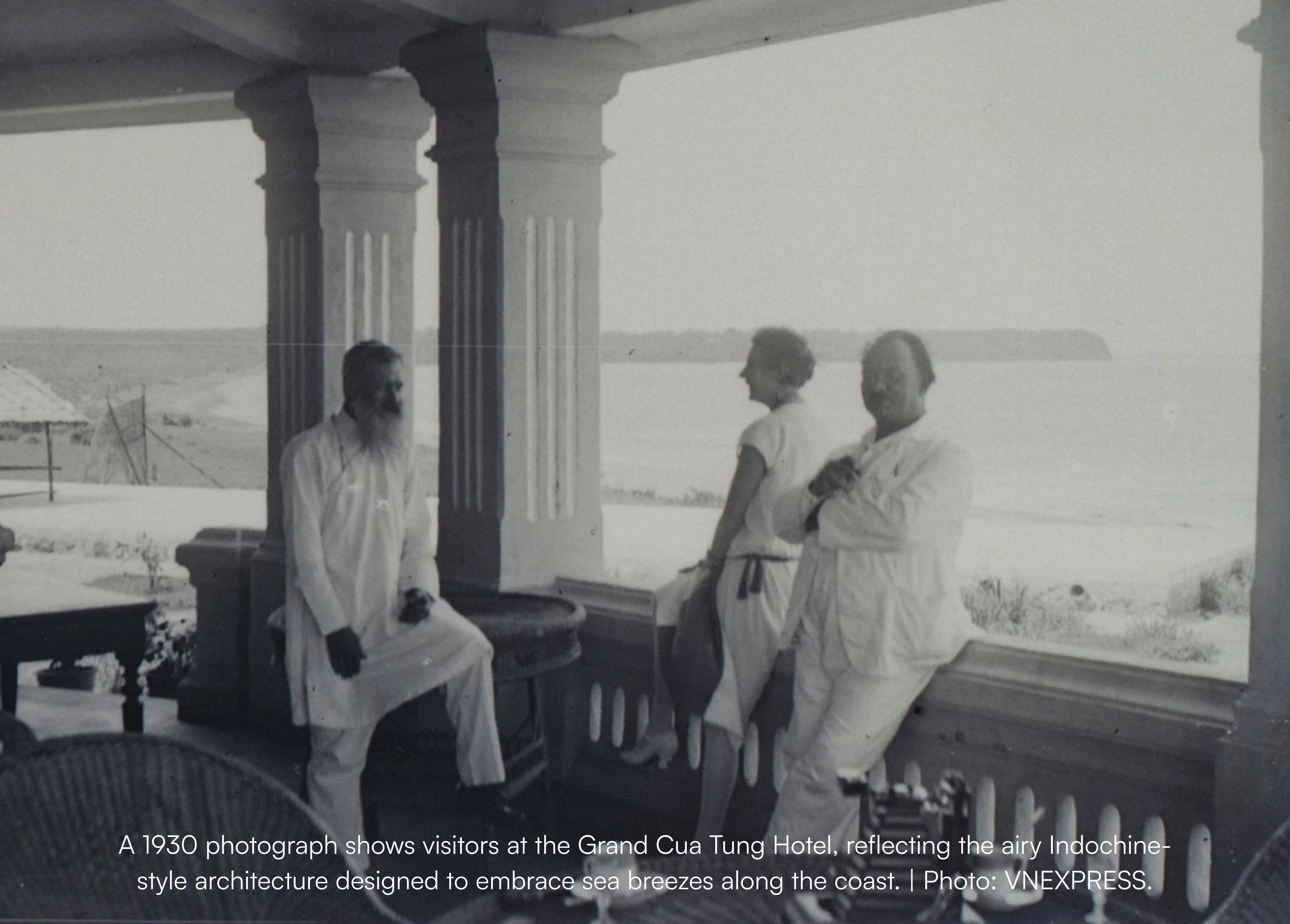
Geographically, Cua Tung sits along the north-central coast, an area often exposed to powerful storms. However, the beach itself was naturally sheltered by two headlands, Si Cape and Lay Cape, which extend into the sea from opposite sides, forming a small bay that reduces the impact of waves and currents and allows boats to anchor safely.
In the book La Province de Quang Tri, published in 1931 by the Governor-General of Indochina, Cua Tung was described as a seasonal seaside retreat offering relief from the summer heat.
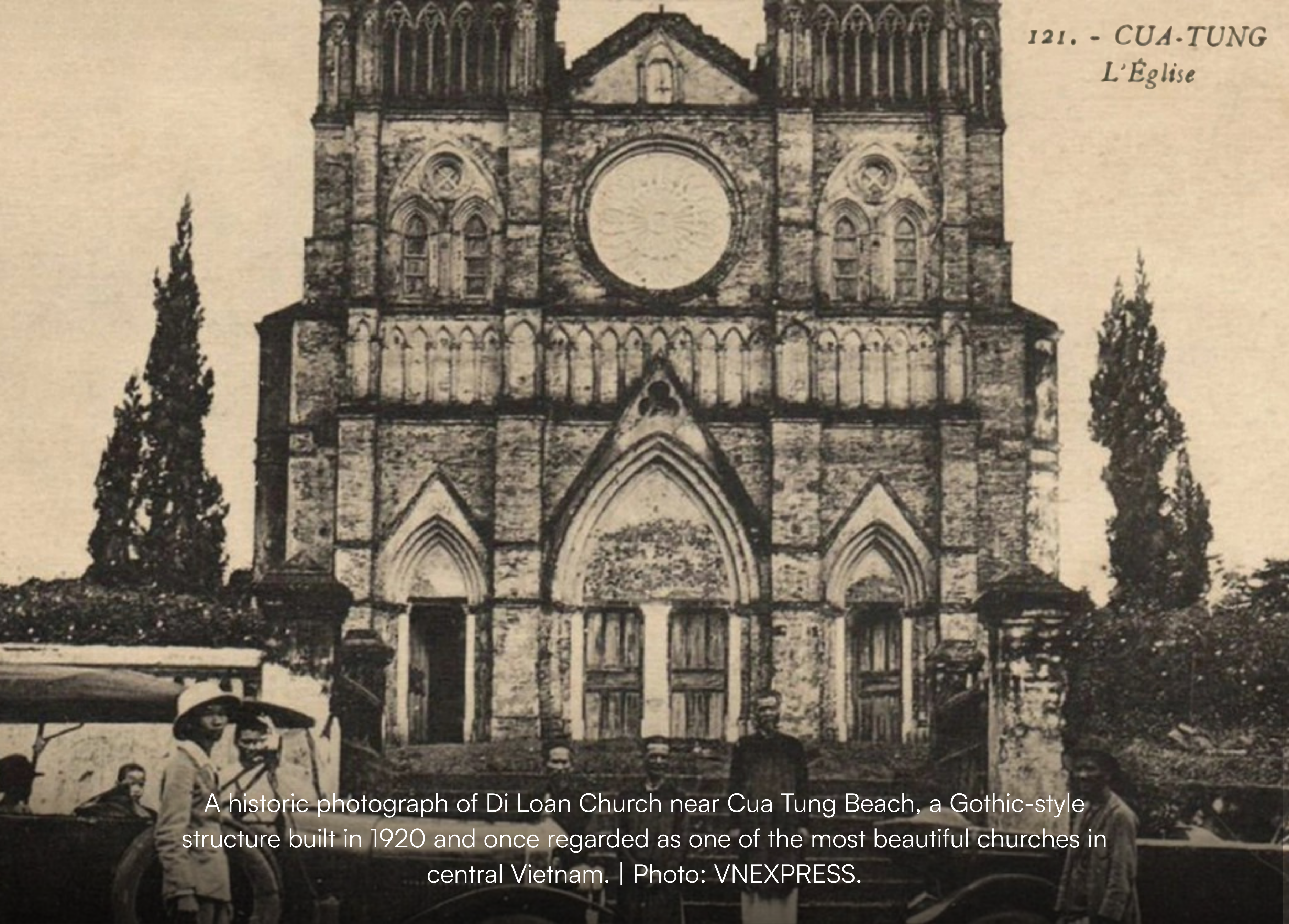
Another historical photograph captures a group of French visitors standing at a villa facing Si Cape. Located just over one kilometer from the beach stands Di Loan Church, built in 1920 and once considered among the most beautiful churches in central Vietnam. Designed and supervised by French priest Barthélemy, the structure followed Gothic architectural style. A 1930 image records the church’s left façade.
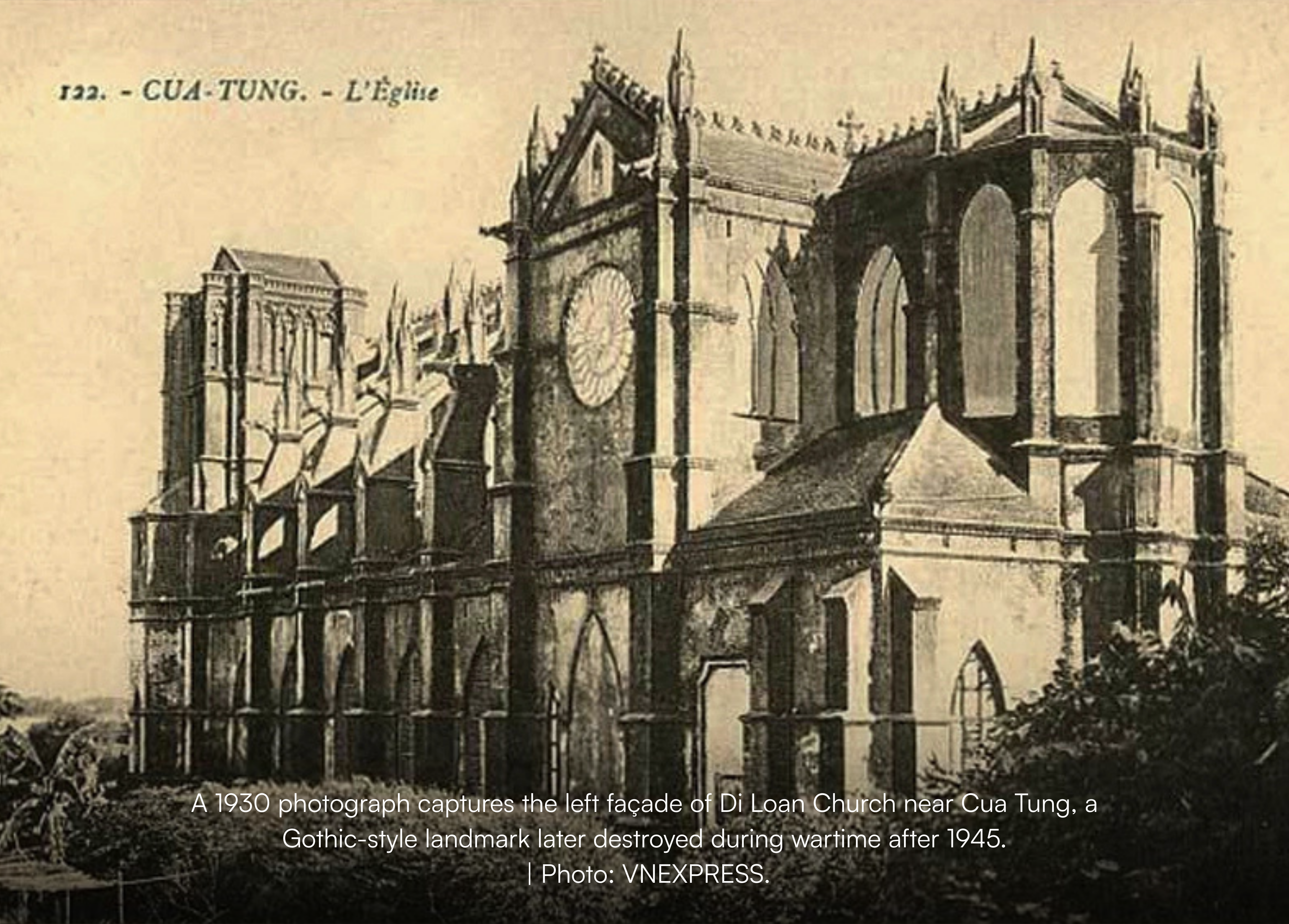
However, after 1945, as armed conflicts intensified around the 17th parallel, both Di Loan Church and the seaside hotels were severely damaged. Today, no visible traces of these structures remain.
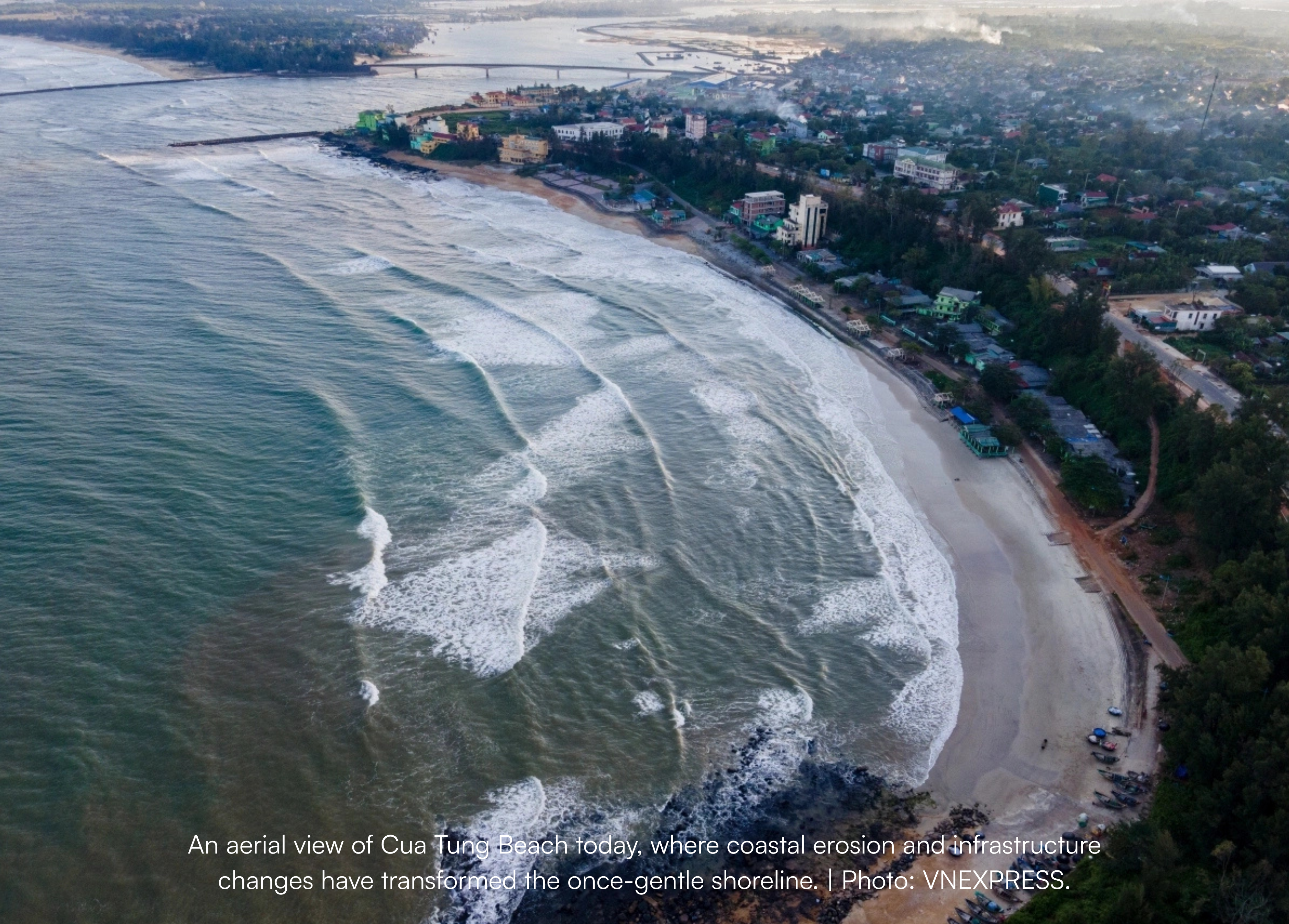
Since 2003, Quang Tri Province has implemented several infrastructure projects near the mouth of the Ben Hai River, including sea dikes, the Cua Tung fishing port, and Cua Tung Bridge. These developments have altered natural water flows, contributing to coastal erosion along Cua Tung Beach.
Over time, the once soft white sand has gradually washed away and taken on a yellowish hue, while the shoreline has become steeper. Waves now crash directly against the embankments, leaving many visitors nostalgic for the beach’s former gentle sands and calm waters.
In response, Quang Tri authorities have organized a series of workshops, inviting scientists and experts to study the situation and propose solutions to restore Cua Tung Beach. However, no concrete restoration plan has yet been announced.
 Australian Hospitality Alumni Network Vietnam