
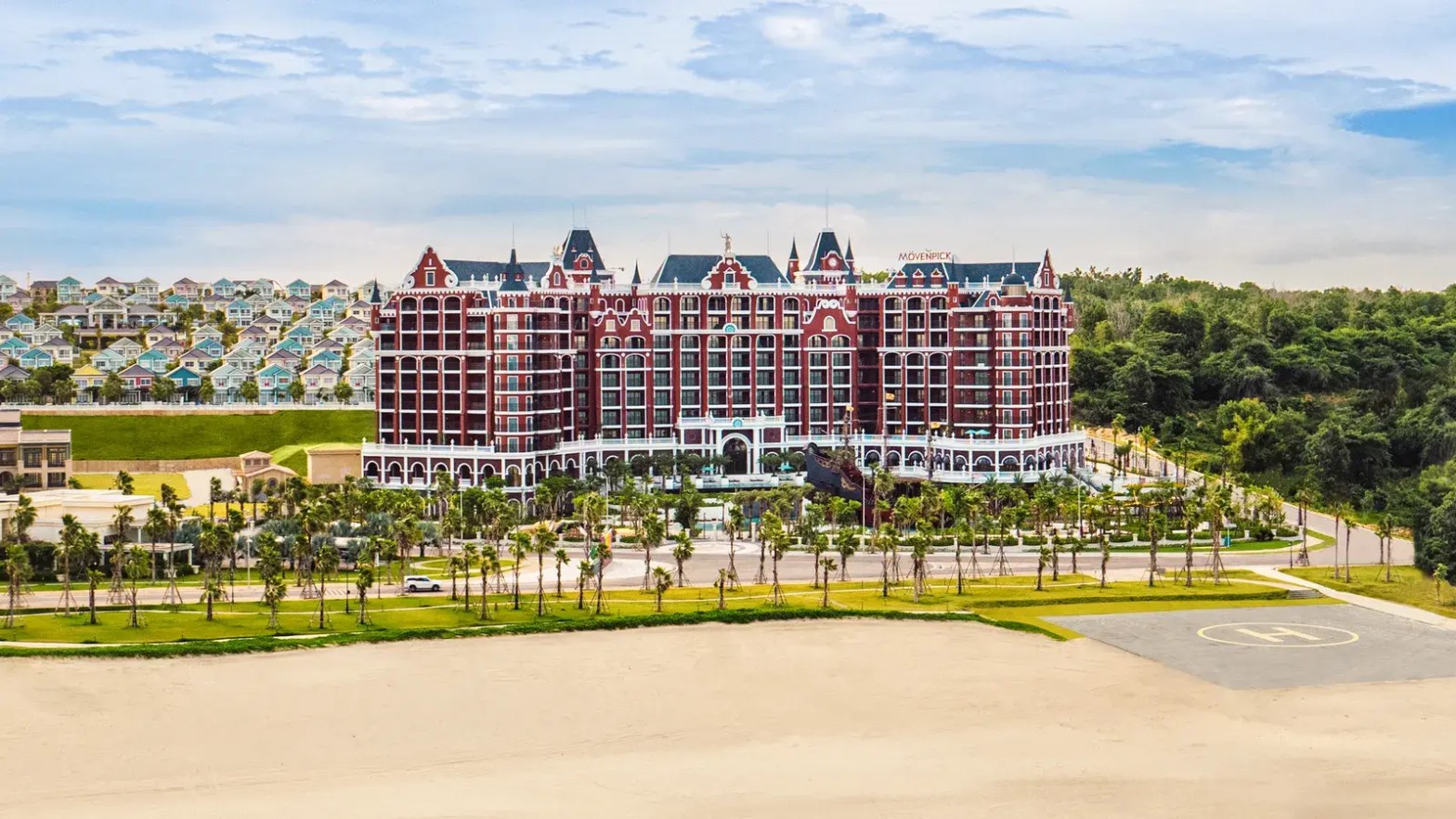
Vietnam is emerging as a key competitor to Thailand in regional tourism, aided by rapid infrastructure growth and a booming hospitality sector. In 2025, Vietnam recorded a significant rise in international arrivals while Thailand saw a decline. With competitive pricing and an expanding hotel supply, Vietnam’s tourism landscape is rapidly evolving.
Vietnam is increasingly positioning itself as a serious challenger to Thailand’s long-standing dominance in regional tourism, driven by faster infrastructure expansion and a rapidly growing hospitality pipeline, according to a senior hotel industry executive.

Bill Barnett, Chief Executive Officer of Thailand-based hotel and real estate consultancy C9 Hotelworks, said Vietnam has built strong momentum over the past decade, enabling it to attract a rising number of international visitors, particularly from key Asian markets such as China and Japan.
Vietnam welcomed a record 21.2 million international arrivals in 2025, up 20.4 percent year on year. In contrast, Thailand recorded a 7.2 percent decline to 32.9 million arrivals – the first annual drop outside the Covid-19 period in more than a decade, Bloomberg reported.
Accommodation supply has emerged as a major competitive advantage for Vietnam. The country now counts approximately 780,000 hotel rooms across 38,000 registered properties, surpassing Thailand’s estimated 704,000 rooms, according to the Bangkok Post. Vietnam also has a substantial number of new hotels currently under development, further strengthening its future capacity.
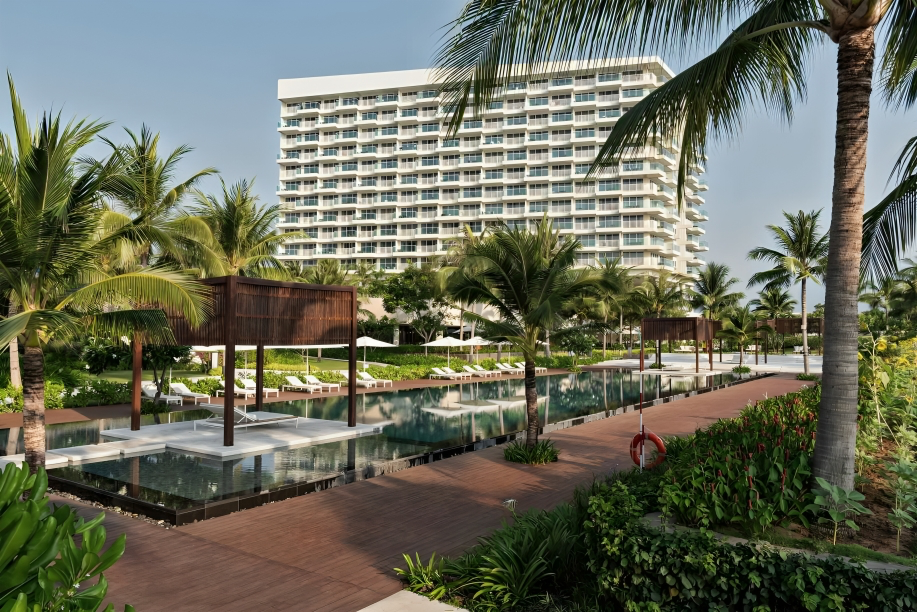
Pricing dynamics continue to reinforce Vietnam’s appeal. Average room rates are around 20 percent lower than in Thailand, supported by lower labour and food costs and the ongoing expansion of low-cost airline networks, Barnett noted. In major Vietnamese cities, average daily room rates stand at about US$116, compared with US$129 in Bangkok. Resort destinations in Vietnam average US$118 per night, significantly below the US$173 typically seen in popular Thai resort markets such as Phuket. In the luxury segment, Vietnamese room rates are generally US$45-60 lower than those in comparable Thai destinations.
While Vietnam does not yet match Thailand’s decades of experience in tourism development, Barnett identified the pace of infrastructure investment as the decisive differentiator.
In Ho Chi Minh City, Tan Son Nhat International Airport recently opened its T3 terminal, adding capacity for 20 million passengers annually and handling up to 7,000 passengers per hour. Long Thanh International Airport, located approximately 40 kilometres from Tan Son Nhat, is expected to begin operations in mid-2026. Meanwhile, Phu Quoc International Airport is undergoing a comprehensive upgrade aimed at positioning it among the most advanced aviation hubs in the region.
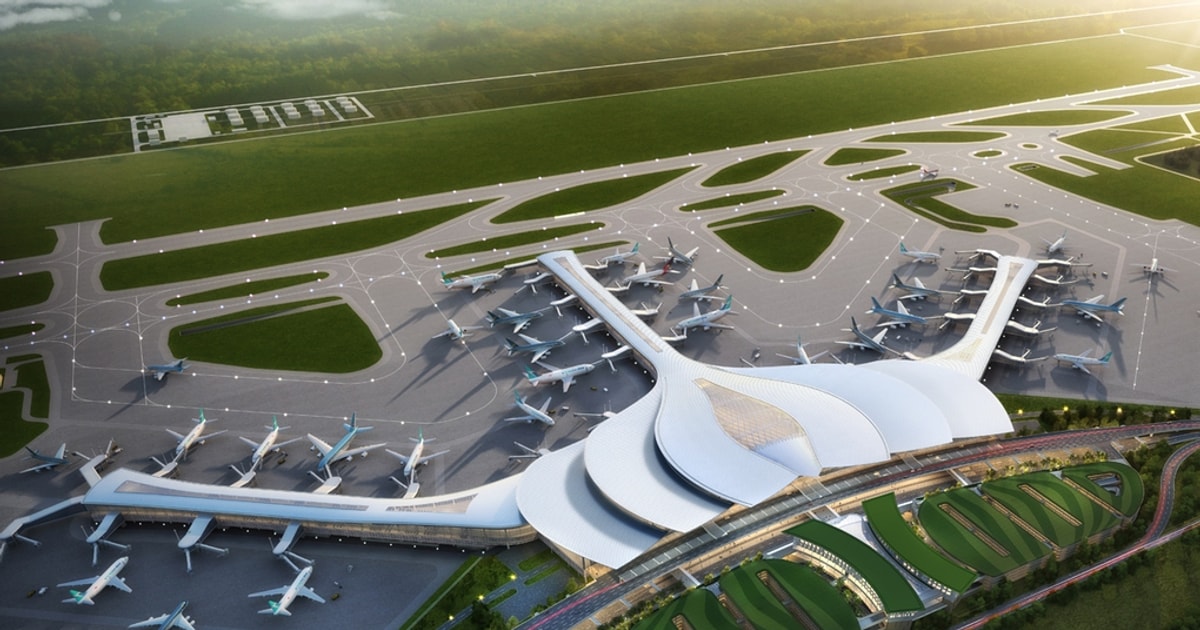
Together, these developments underscore Vietnam’s accelerating transformation into a highly competitive tourism destination, with infrastructure growth increasingly reshaping the regional travel landscape.
 Australian Hospitality Alumni Network Vietnam