
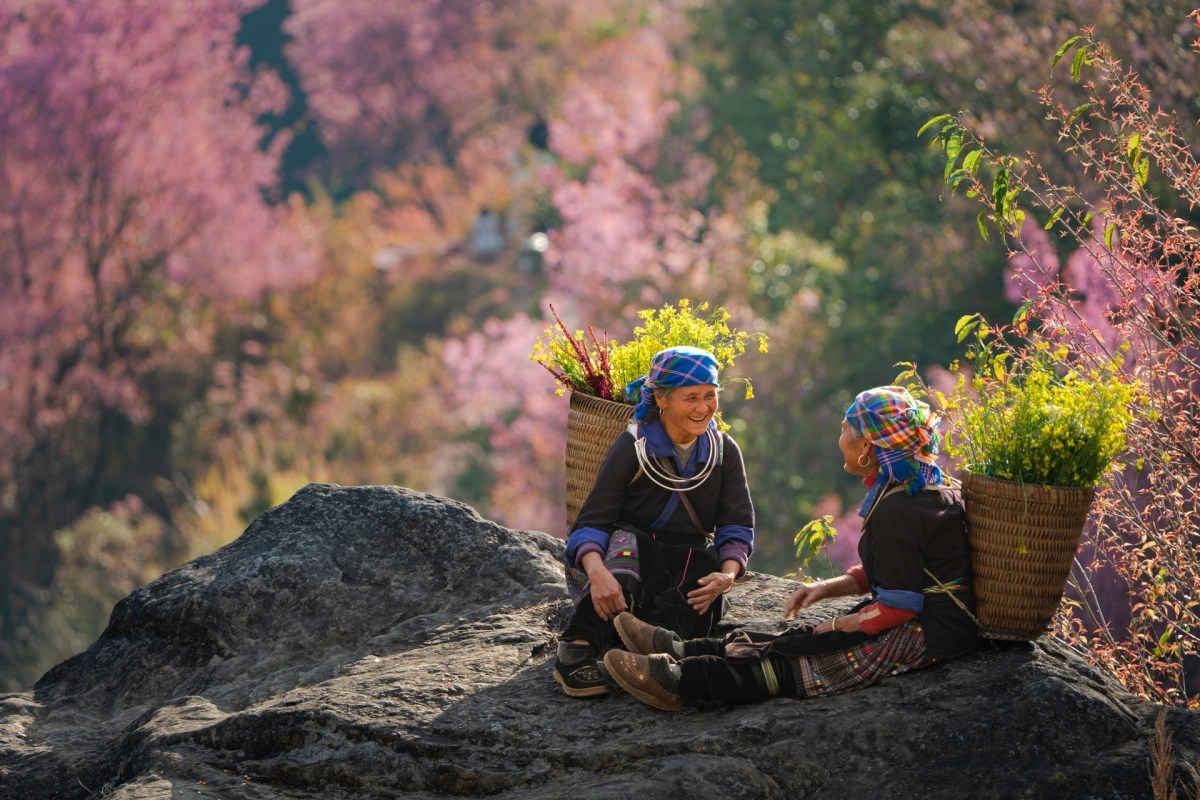
Wild peach blossoms, or to day, bloom across Mu Cang Chai and Trong Tong villages in Vietnam’s northwestern highlands, heralding spring. Photographer Vinh DAV captured their beauty amidst varying weather. This bloom signifies the nearing Lunar New Year for the H’Mong community. The region offers captivating landscapes and local tourism experiences.
Clusters of to day, a wild peach variety, are beginning to bloom across the hillsides of Mi Hang Village (Mu Cang Chai Commune) and Trong Tong Village (Pung Luong Commune), marking the quiet arrival of spring in Vietnam’s northwestern highlands.
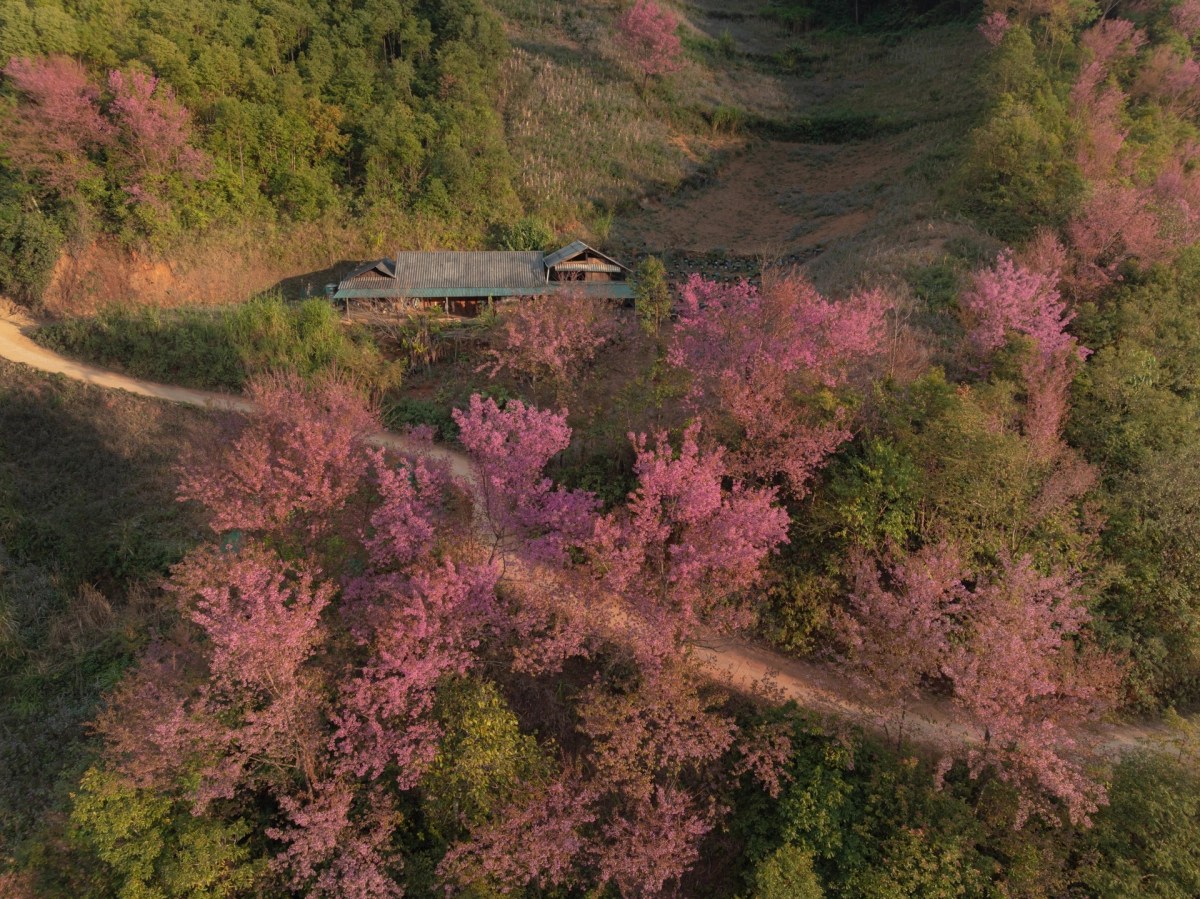
At the end of 2025, Hanoi-based photographer Vinh DAV traveled to Mu Cang Chai and spent two days capturing the fleeting beauty of the blossoms. In Trong Tong Village, particularly around the Hang Gang area, hillsides were blanketed with flowering trees. However, overcast skies softened the pink tones, forcing him to wait patiently, sometimes for hours, for sunlight to break through.
“It feels like a reward for those who are patient enough,” he shared.
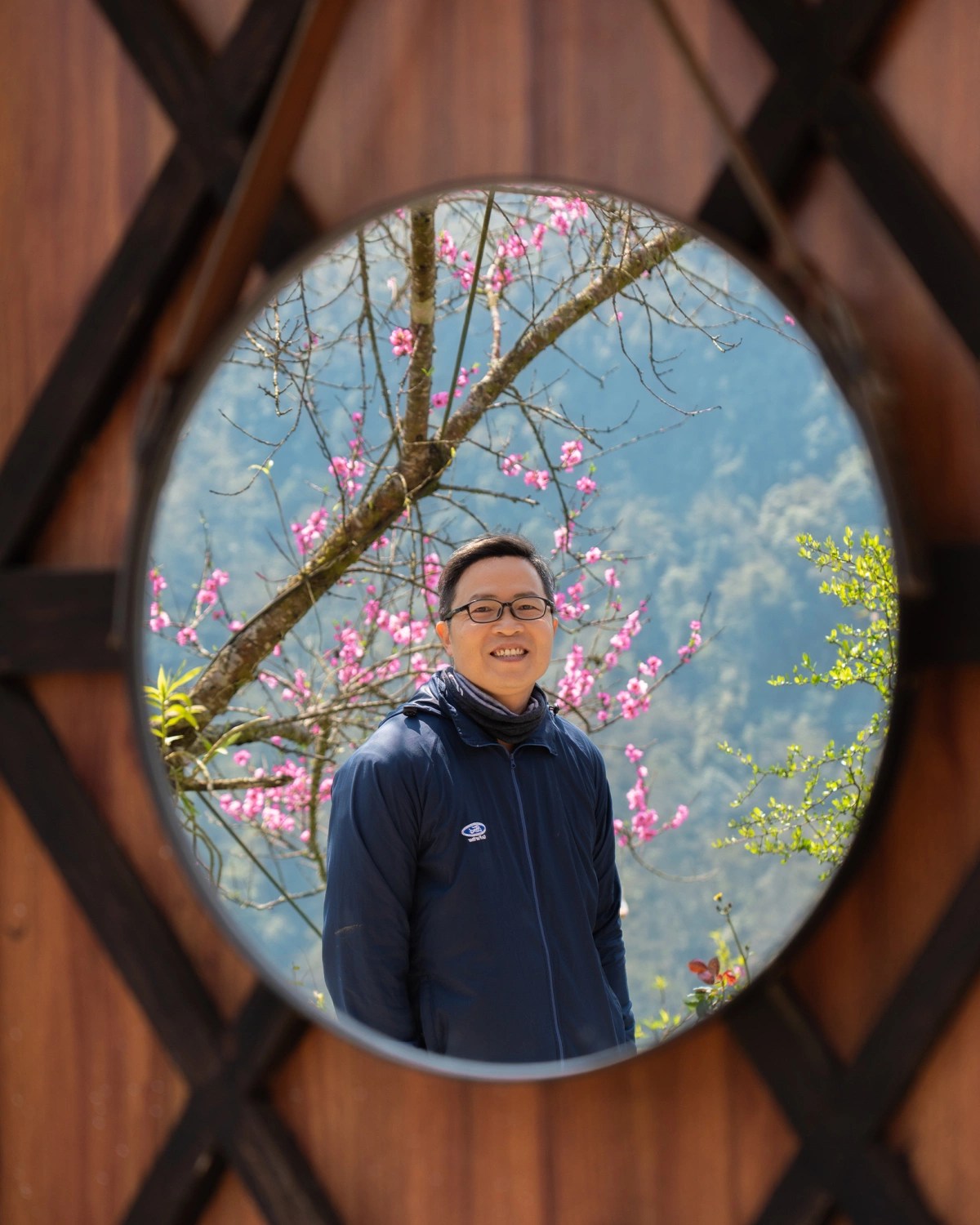
Known locally as pang to day by the H’Mong people, these wild peach trees grow in several highland communes including Kim Noi, Mo De, and Pung Luong, typically at elevations above 1,000 meters. Their delicate flowers feature five slender petals – longer and finer than those of cultivated peach blossoms – and are considered one of the most distinctive signs of spring in the region. For the H’Mong community, the blooming of to day signals the approach of the Lunar New Year, arriving roughly a month before Tet.
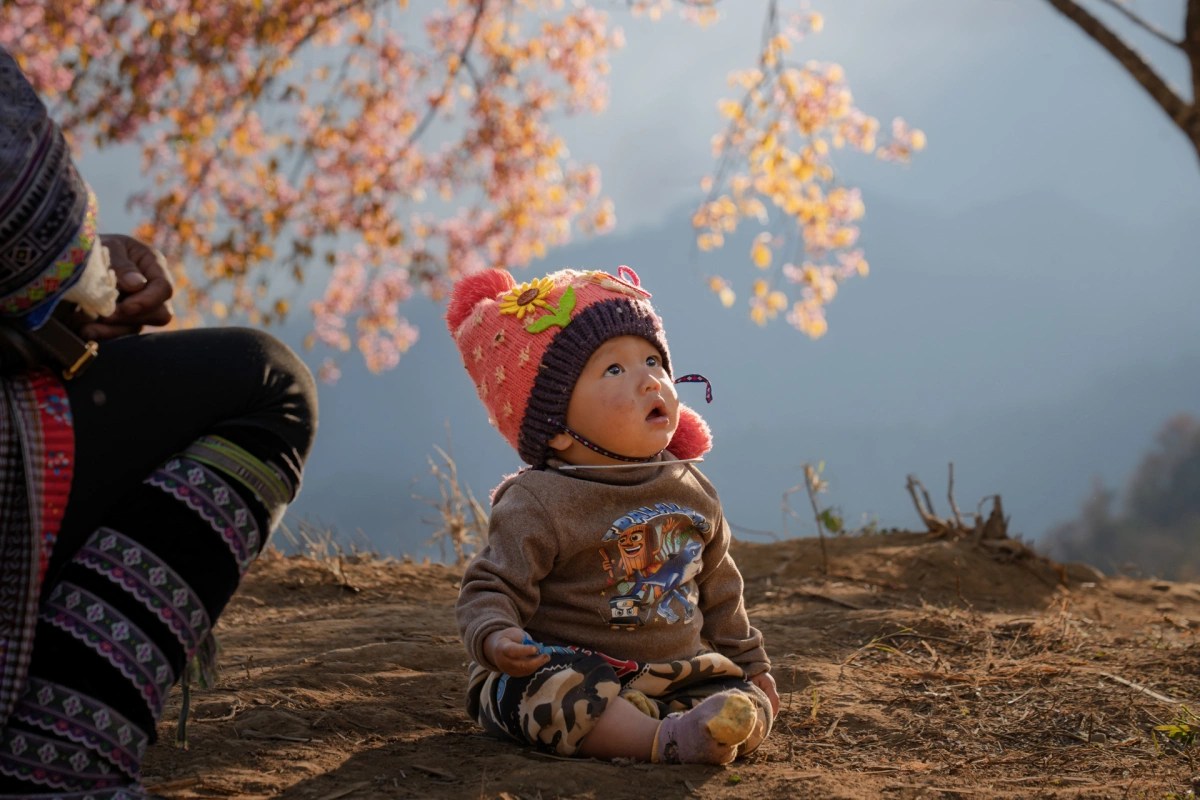
Mu Cang Chai offers visitors three of its most striking seasonal landscapes throughout the year: the to day blossom season (January-February), the water-pouring season across terraced rice fields (April-May), and the golden harvest season (September-October). During this time, villages like Trong Tong retain a quiet, untouched charm, with greenery cascading across hills and valleys. Homestays and small-scale tourism services are available for those wishing to linger longer in the area.
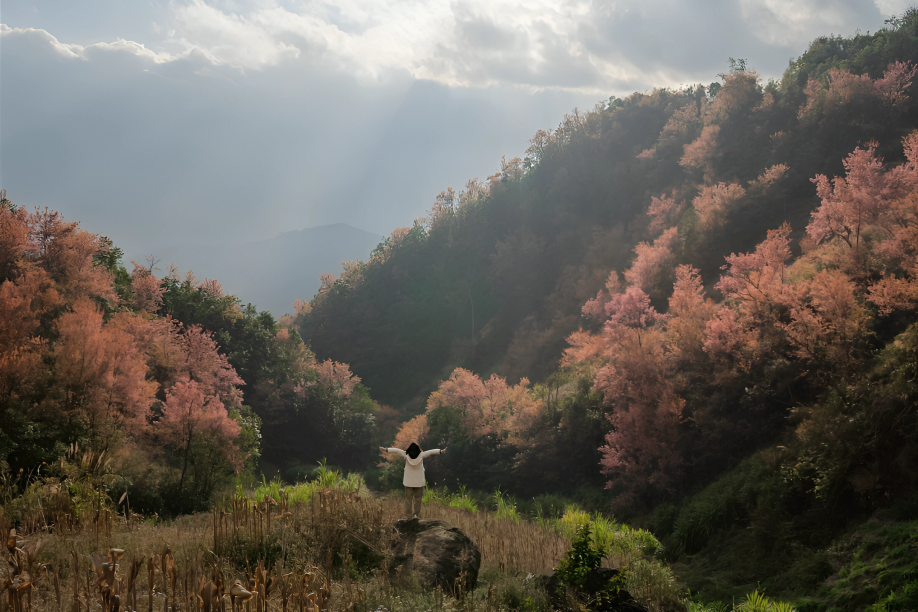
Alongside the wild peach blossoms, fields of yellow mustard flowers are also in bloom, adding contrast to the highland scenery. Temperatures typically range from 10 to 20°C, with clear, sunny intervals. Visitors are advised to photograph early in the morning or late afternoon, when the light best reveals the flowers’ subtle hues.
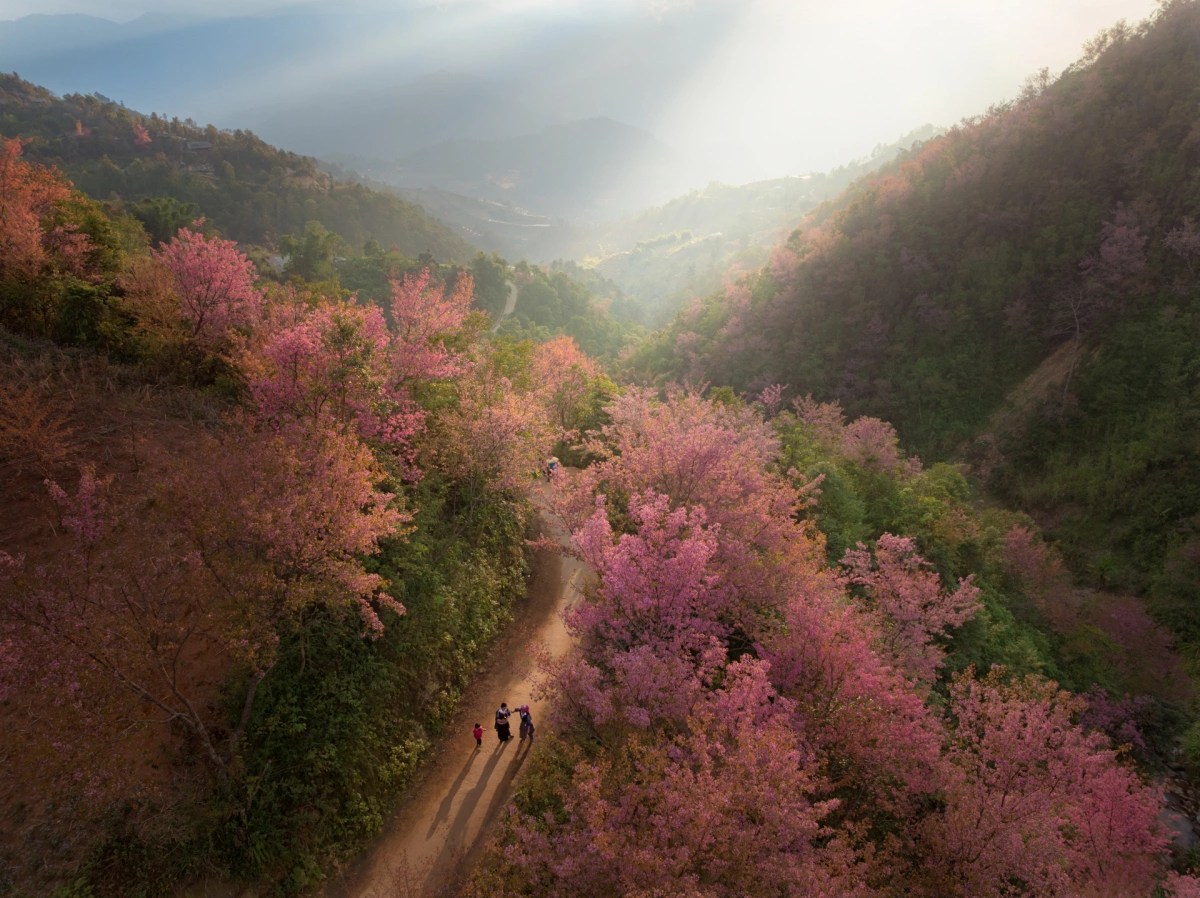
According to local tourism worker Thu Uyen, colder weather brings out deeper pink tones in the blossoms. “The flowers are at their most beautiful for about ten days from the moment they first bloom,” she noted. Depending on altitude and location, the season is expected to last until the end of January, also the peak tourist period in Mu Cang Chai.

Travelers can rent motorbikes from homestays, though steep and winding roads may require experience; hiring local motorbike taxis is often the safer choice. With extra time, visitors can extend their journey to Tu Le Valley or unwind in the natural hot springs of Tram Tau District, rounding out a highland experience shaped by season, patience, and quiet beauty.
 Australian Hospitality Alumni Network Vietnam