
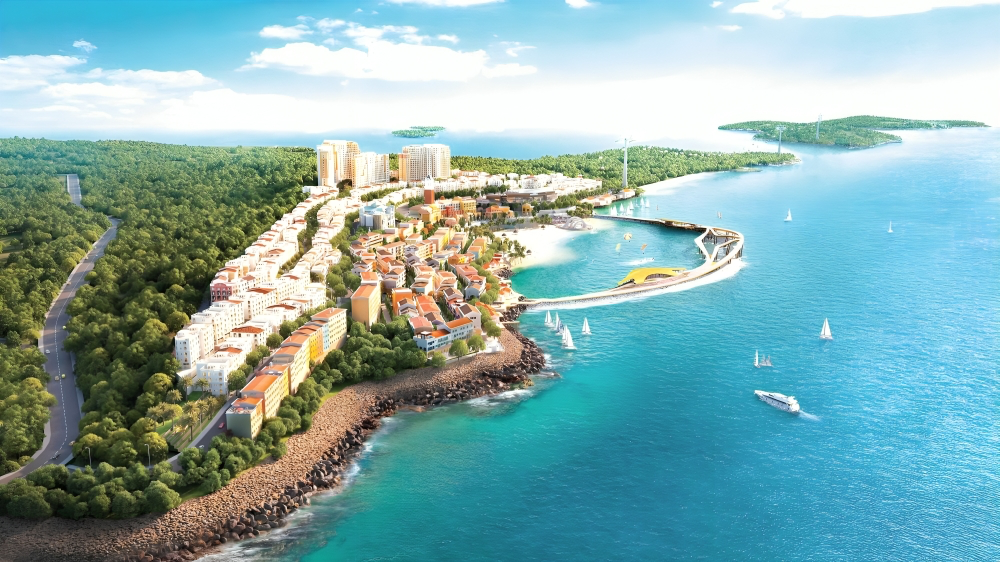
The Korea Herald has identified Phu Quoc Island as a prime winter getaway for Korean travelers in January, highlighting its favorable climate and outdoor leisure opportunities. As winter deepens, the island’s stable weather stands out, attracting increasing tourist numbers, expected to rise to 8.5 million visitors in 2026, including a significant international influx.

The Korea Herald, one of South Korea’s most respected business and consumer dailies, has highlighted Phu Quoc Island as a standout destination for the early months of the year, particularly January, when demand for winter escapes among Korean travelers reaches its peak.
The recommendation appears in a month-by-month travel guide curated by the newspaper, which selects 12 global destinations based on the periods when their natural beauty, weather conditions, and cultural experiences are at their best. According to the publication, most destinations reveal their full appeal only during specific seasons, making timing a decisive factor in travel planning.

As South Korea enters the height of winter, warm-weather getaways become a priority. Phu Quoc emerges as a compelling choice thanks to its ideal January climate, when the island reaches the most stable phase of its dry season. During this period, visitors enjoy gentle sunshine, low humidity, and calm, glassy seas – conditions well suited to outdoor leisure and exploration, which are particularly appealing to Korean travelers.
While Phu Quoc is often described as a year-round destination, The Korea Herald notes that the beginning of the year offers the island’s most balanced and favorable weather, setting it apart from other tropical alternatives. From this perspective, its inclusion in the early-month rankings reflects the island’s clear seasonal advantage rather than coincidence.
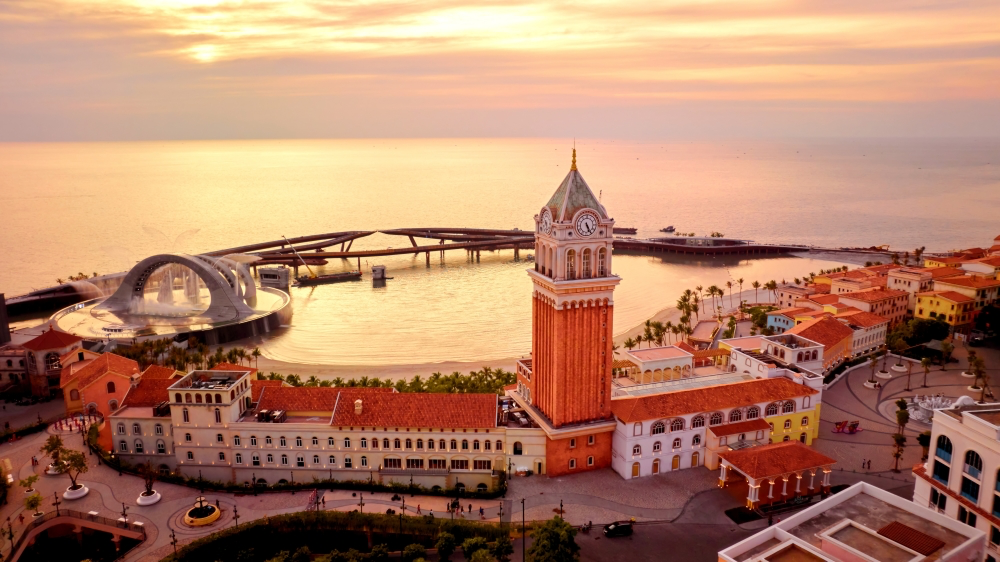
Phu Quoc, previously voted Asia’s most beautiful island by readers of Condé Nast Traveler, is expected to welcome around 8.5 million visitors this year – up 5% from 2025. International arrivals are projected to reach 2 million, an 11% year-on-year increase.
The island closed 2025 with strong tourism performance, welcoming approximately 8.1 million visitors, including 1.8 million international travelers, underscoring its growing appeal across key regional markets, particularly Northeast Asia.
 Australian Hospitality Alumni Network Vietnam