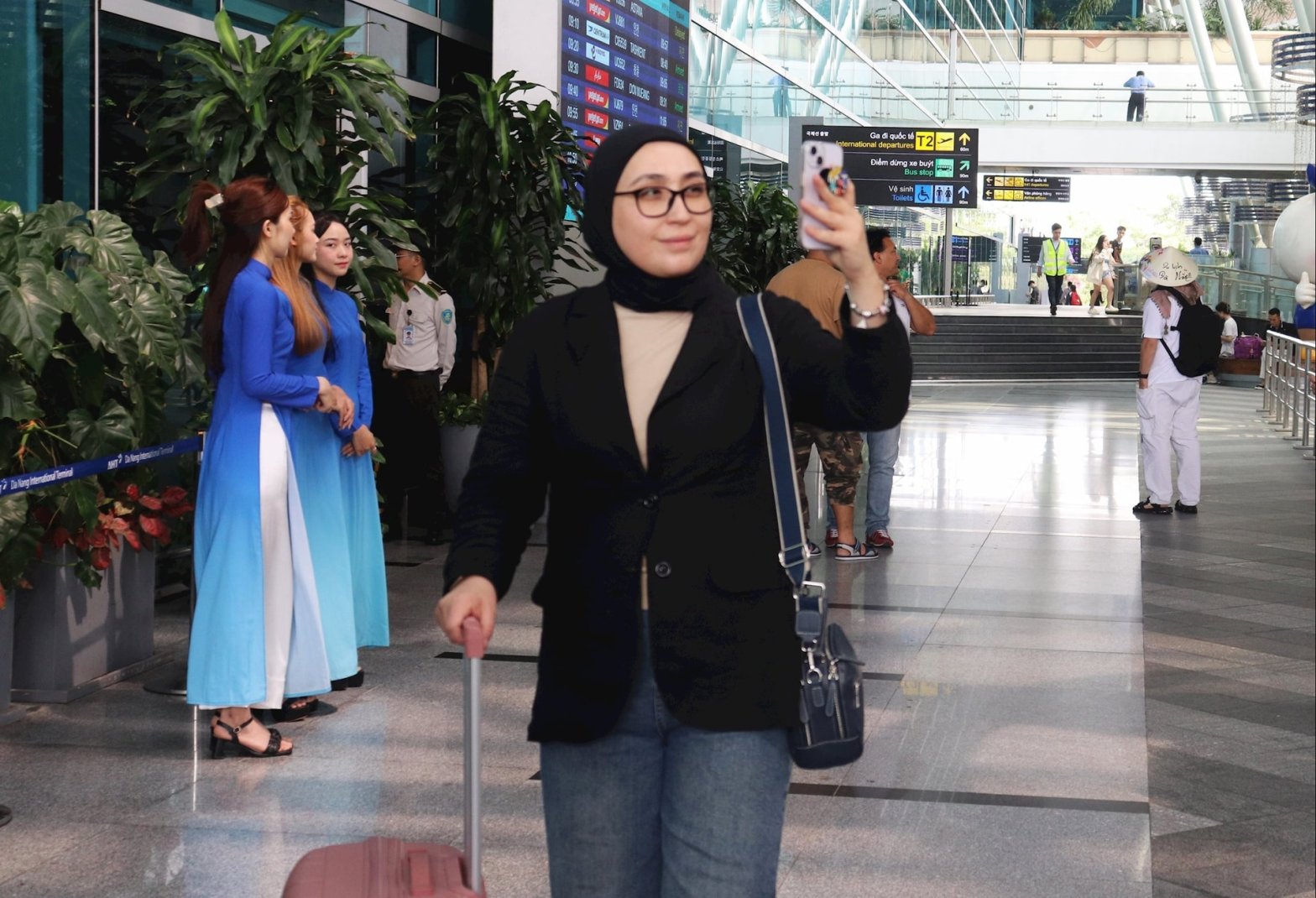
Da Nang is capitalizing on the growing Halal tourism market by enhancing its offerings for Muslim travelers, having welcomed over 617,000 in 2025. With more than 800 venues catering to Halal needs, the city aims to diversify its tourism base, improve competitiveness, and establish itself as a safe, culturally inclusive destination.
As the global Halal tourism market expands rapidly, Da Nang is well positioned to tap into this high-potential segment by developing a friendly, inclusive and internationally compliant destination for Muslim travellers. Building a Halal-friendly tourism ecosystem is expected not only to diversify the city’s visitor base and enhance competitiveness, but also to strengthen its image as a safe, civilised destination that respects cultural diversity and supports international integration.
In 2025, Da Nang welcomed more than 17.3 million overnight visitors, up 15% year on year. International arrivals exceeded 7.6 million, while domestic visitors reached nearly 9.7 million. Tourism revenue from accommodation, dining and travel services was estimated at around VND60 trillion (US$2.28 billion), up over 21%, reinforcing tourism’s role as a key pillar of the city’s economy.
The city has prioritised attracting high-spending, long-stay travellers from Northeast and Southeast Asia, India, Australia and Europe, while expanding into emerging markets such as India, the Middle East and the US. Efforts to restore and launch new direct and charter flights have supported this strategy. In 2025 alone, Da Nang welcomed more than 617,000 Muslim travellers from Indonesia, Malaysia, CIS countries and the Middle East, backed by targeted promotion campaigns and newly opened air routes.
Strong policy support has further accelerated this direction. The national scheme to strengthen international cooperation in developing Vietnam’s Halal industry through 2030, approved in February 2023, identifies Halal tourism as a priority sector. Leveraging this framework, Da Nang has steadily enhanced Halal-standard food, services and experiences to position itself as a Muslim-friendly destination.
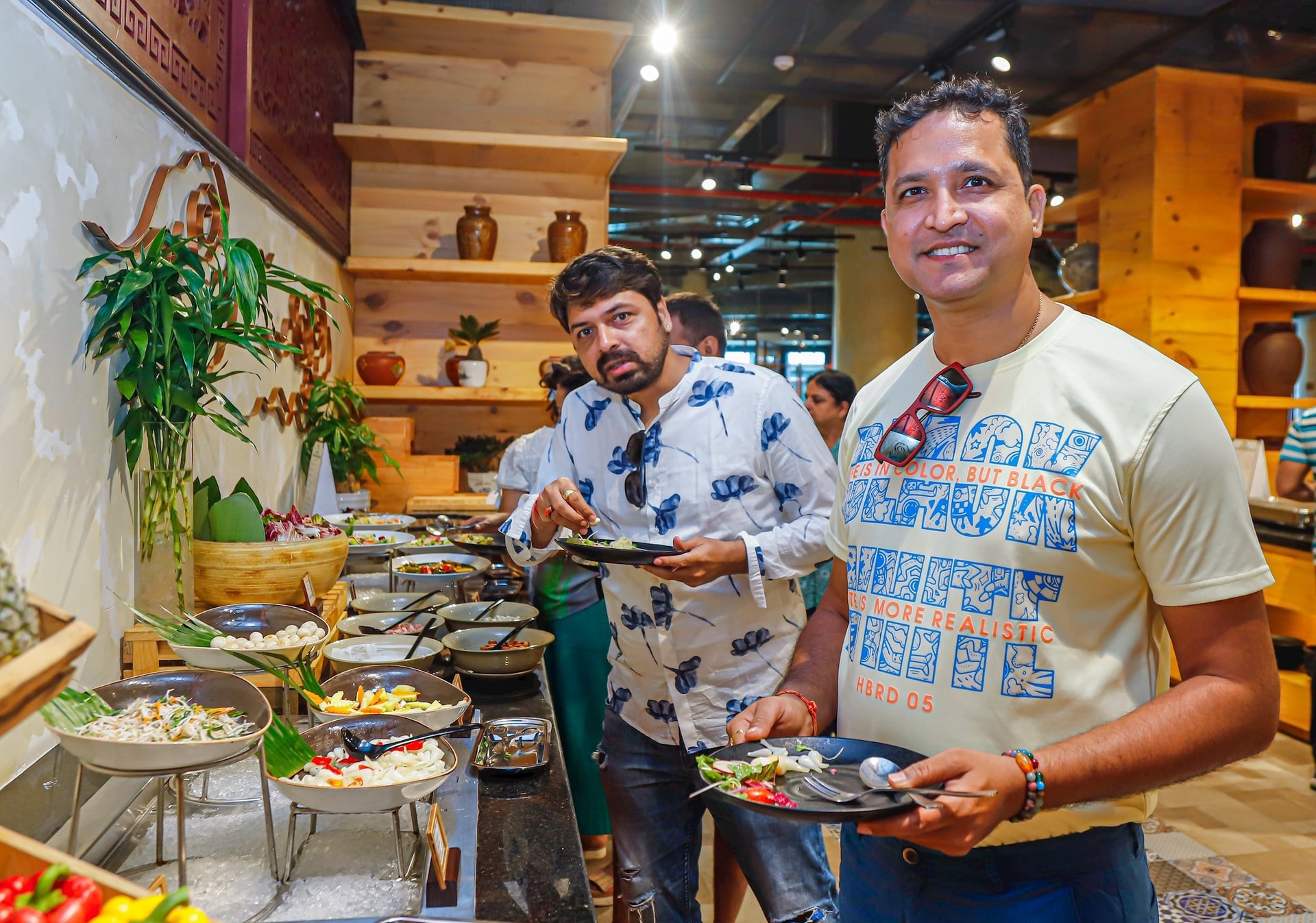
According to Vice Chairwoman of the municipal People’s Committee Nguyen Thi Anh Thi, Da Nang is well prepared in terms of infrastructure, human resources and service quality to serve Muslim visitors. The city now has more than 800 dining establishments catering to Muslim guests, including nearly 40 Halal and Indian restaurants, over 10 of which are Halal-certified. Many hotels and restaurants have adapted menus to suit Middle Eastern and CIS travellers.
Leading tourism operators have also taken proactive steps. Sun World Ba Na Hills has introduced a Halal-certified restaurant and prayer rooms, alongside staff training and multilingual materials, while Furama Resort Da Nang operates a dedicated Halal kitchen system and welcomed more than 5,000 Muslim guests in 2025 with high satisfaction levels.
Industry experts view Halal tourism as a sustainable growth driver that can help Da Nang balance its visitor mix and reduce reliance on traditional markets. Looking ahead, the city will continue market research, product development and implementation of its Muslim-friendly tourism plan for 2025–2030, focusing on safety, air connectivity, promotion, workforce training and the creation of dedicated Halal tourism products.
 Australian Hospitality Alumni Network Vietnam