
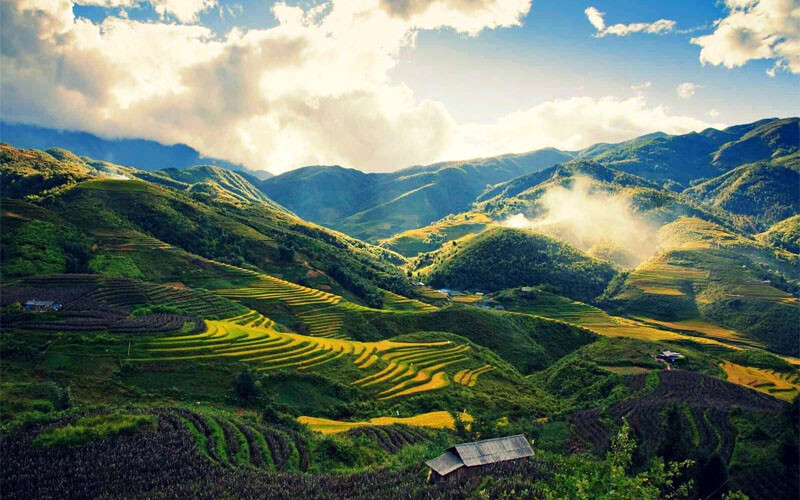
Mountain trekking in northern Vietnam peaks towards the year’s end, attracting many hikers despite crowded trails and safety risks. Experienced trekkers offer advice on popular routes, trekking styles, and essential preparations, emphasizing mental readiness and proper gear. Ideal trekking season spans November to February, with suggested group sizes ranging from six to twelve.
To help travelers prepare, experienced trekkers Manh Chien and Thanh Tung share practical advice on routes, trekking styles, and essential preparation.
Popular Northern Peaks
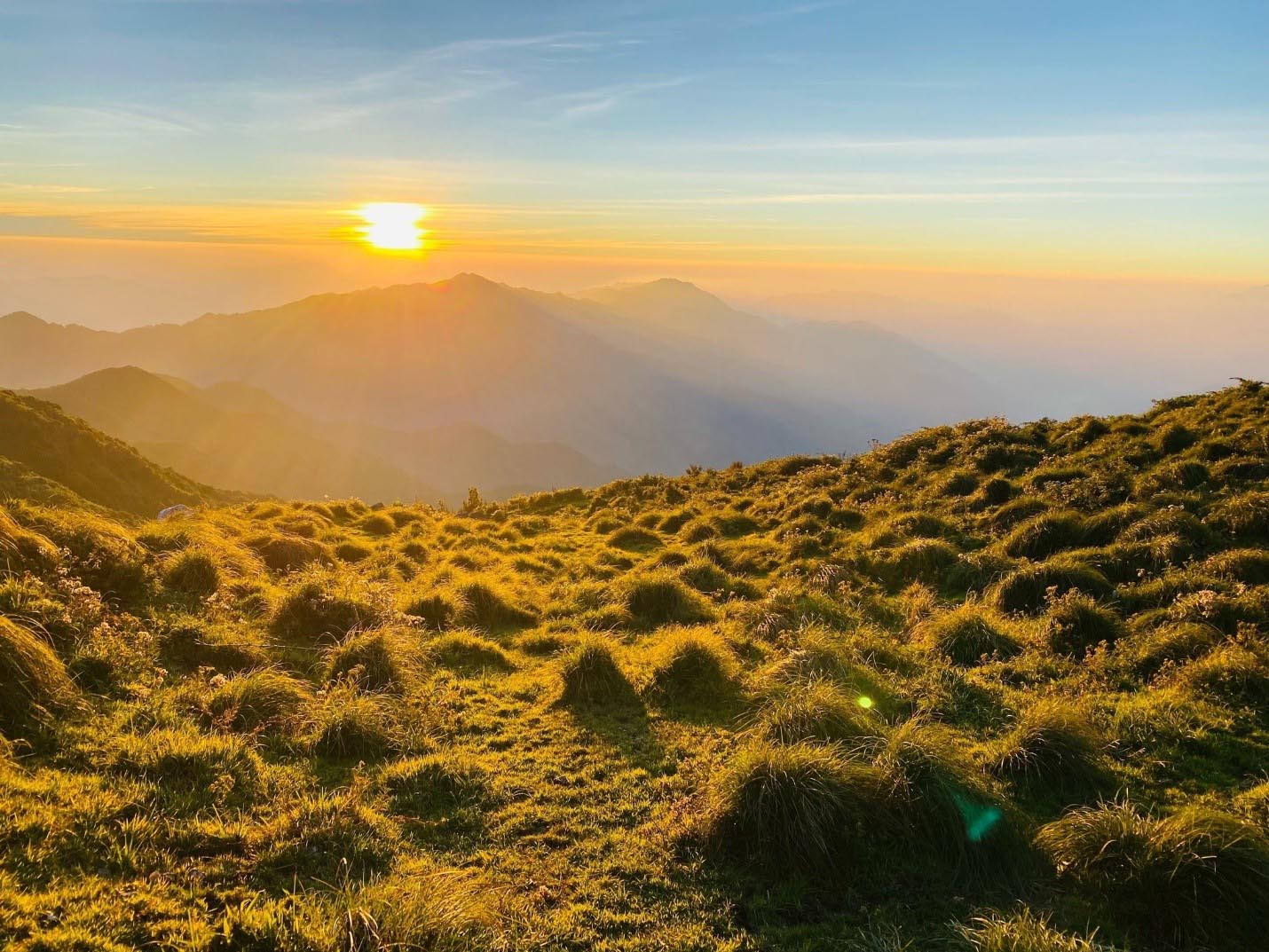
Mountain routes are typically classified by altitude, terrain, and difficulty. Detailed information can be found on trekking forums and through licensed tour operators. Among the most popular destinations are:
- Son La – Yen Bai provinces: Ta Xua, Ta Chi Nhu, Lung Cung, Sa Mu
- Lao Cai Province: Ngu Chi Son, Lao Than, Nhiu Co San, Fansipan, Bach Moc Luong Tu
- Lai Chau Province and nearby areas: Po Ma Lung, Chung Nhia Vu, Pusilung, Khang Su Van, Putaleng, Ta Lien Son, Nam Kang Ho Tao, Chuva, Can Chua, Rang Cua, Mieu Thach Son
Ways to Trek

Trekking trips generally fall into three categories: independent travel, porter-led trips, and full-package tours. Costs often cover transportation (usually from Hanoi), accommodation in shelters or guesthouses, meals, permits, porters, and optional services such as photography or summit certificates.
Independent trekking is the most budget-friendly but also carries the highest risk. Travelers organize all logistics themselves and typically hire local porters at VND500,000-700,000 ($19-26) per day. A basic trip usually starts from around VND1.5 million ($57) per person.
Porter-led trips are coordinated by experienced local guides. Travelers arrange transportation to the starting point, such as Sa Pa or Son La, where porters accompany the group throughout the hike. Prices range from VND 1.5 – 2 million ($57-76).
“This is often my preferred option,” Tung said. “It costs more than going solo but less than a full tour, reduces stress, and supports local communities. The key is choosing a trusted porter familiar with each route.”
Full-package tours handle everything from Hanoi pick-up to summit return. Prices start at around VND3 million ($114) per person and increase depending on service quality.
“It is the easiest option, especially for beginners,” Tung said. “Higher prices often mean better services, but reputation still matters.”
Regardless of the format, ideal group sizes range from six to 12 people. Larger groups tend to face higher risks and reduced service quality, even on organized tours.
Weather and Conditions
The main trekking season runs from November to February, especially for travelers hoping to see cloud seas or frost-covered landscapes. The season may extend into April, but beginners are advised to avoid trips during monsoon periods or immediately after Lunar New Year, when mist, rain, and strong winds are common.
Temperatures at higher elevations are typically around 10°C lower than at the base, depending on weather conditions.
Advice for First-Time Hikers
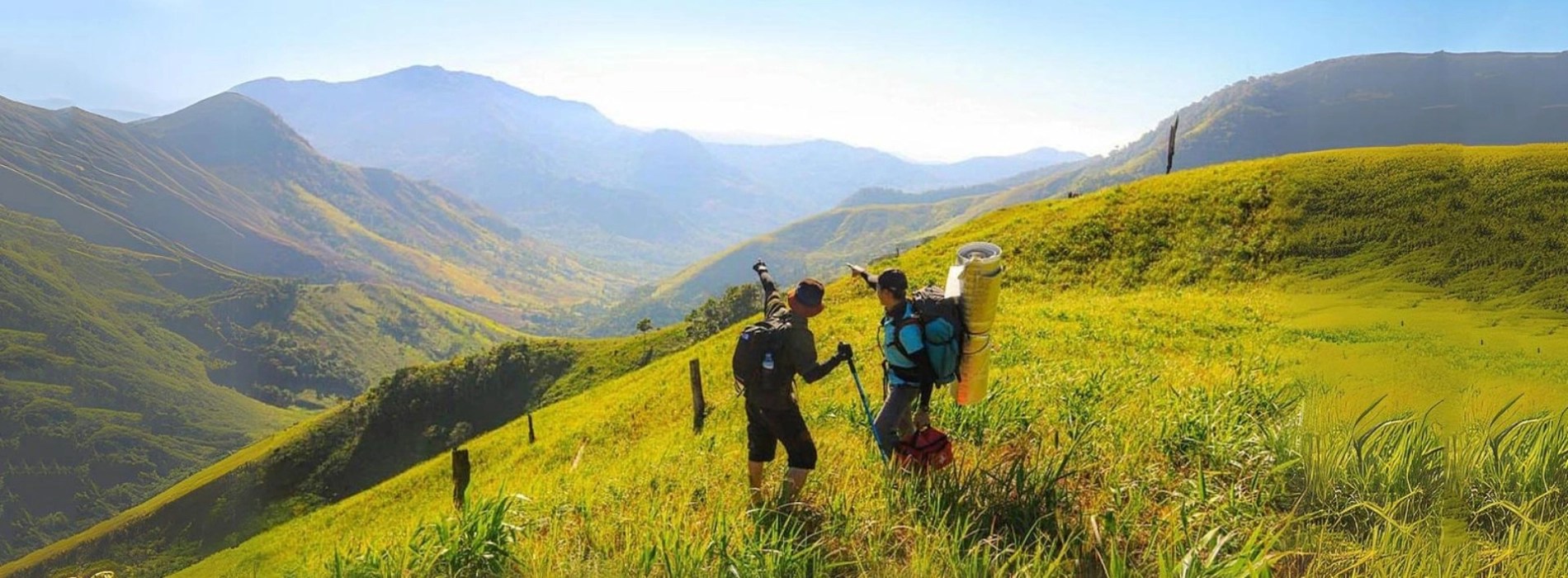
Mental preparation is as important as physical fitness. Even relatively easy routes can be exhausting, and realistic expectations help prevent frustration.
Training does not need to be intense but should be consistent. Around 15 days before departure, hikers are encouraged to practice stair climbing, about 20 floors per session, followed by complete rest during the final three days.
Footwear is the most critical item. Anti-slip hiking shoes with strong grip from reputable brands are essential.
Clothing should be simple yet functional: breathable inner layers, lightweight outerwear, and quick-drying long pants. Accessories such as hats, sunglasses, gloves, and knee or ankle supports can help prevent injuries.
During winter treks, hikers should pack thermal layers, fleece or wool tops, warm hats, heat patches, and at least two pairs of socks.
A basic medical kit containing pain relievers, digestive medicine, and bandages is essential. Expensive technical gear can be added later with experience.
Alcohol consumption should be limited. In crowded mountain shelters where sleeping areas are shared, alcohol can reduce alertness and slow recovery, increasing safety risks. It can also impair endurance the following day, raising the risk of exhaustion or collapse.
 Australian Hospitality Alumni Network Vietnam