
Where Limestone Meets Water in Lai Chau
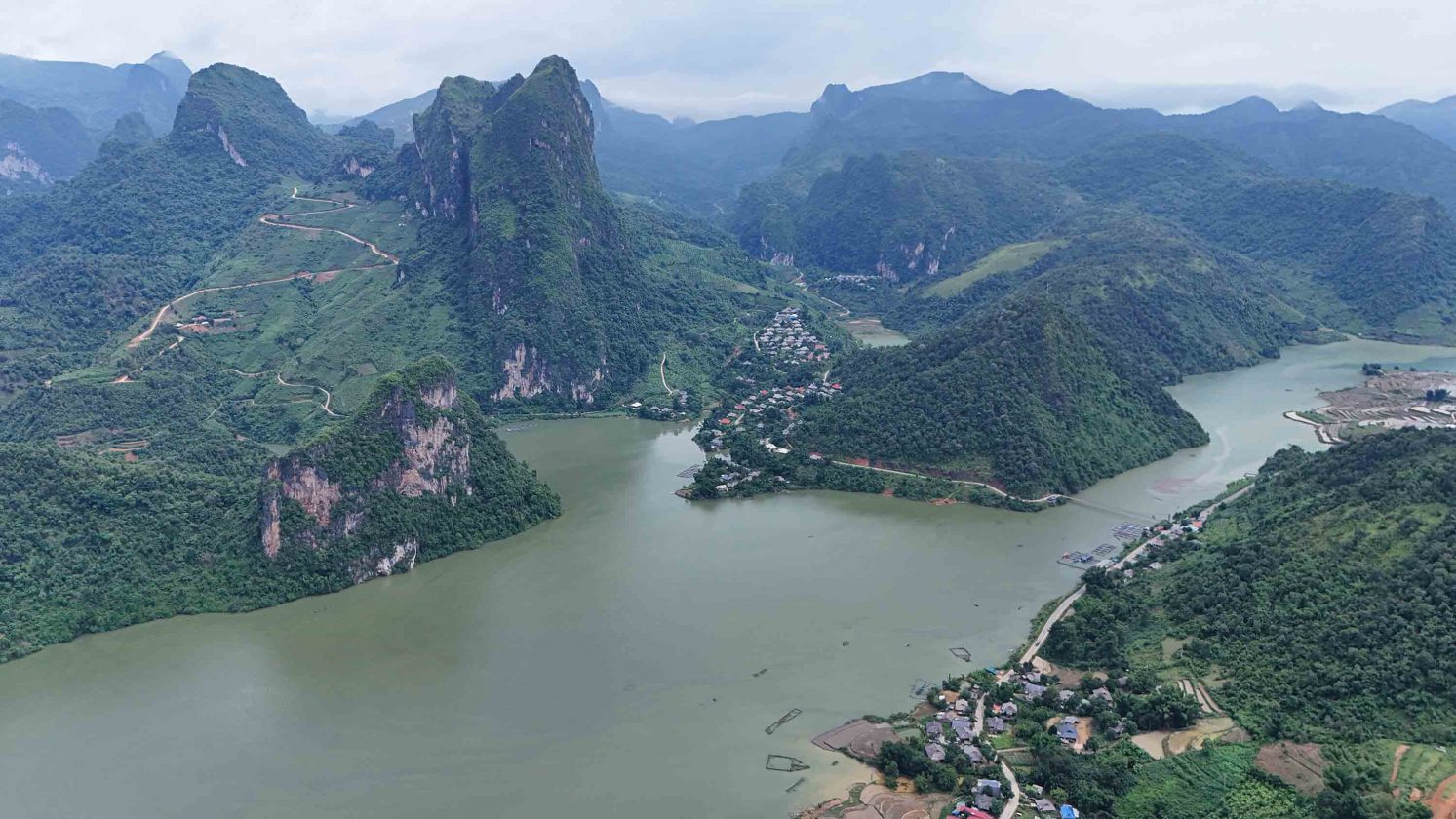
Tucked away in Lai Chau Province, Ta Gia Bay is quietly emerging as a compelling destination for nature based tourism. Defined by limestone mountains rising directly from clear reservoir waters, the area offers a rare combination of geology, landscape, and cultural depth that remains largely untouched.
A Landscape Shaped by Stone and Time
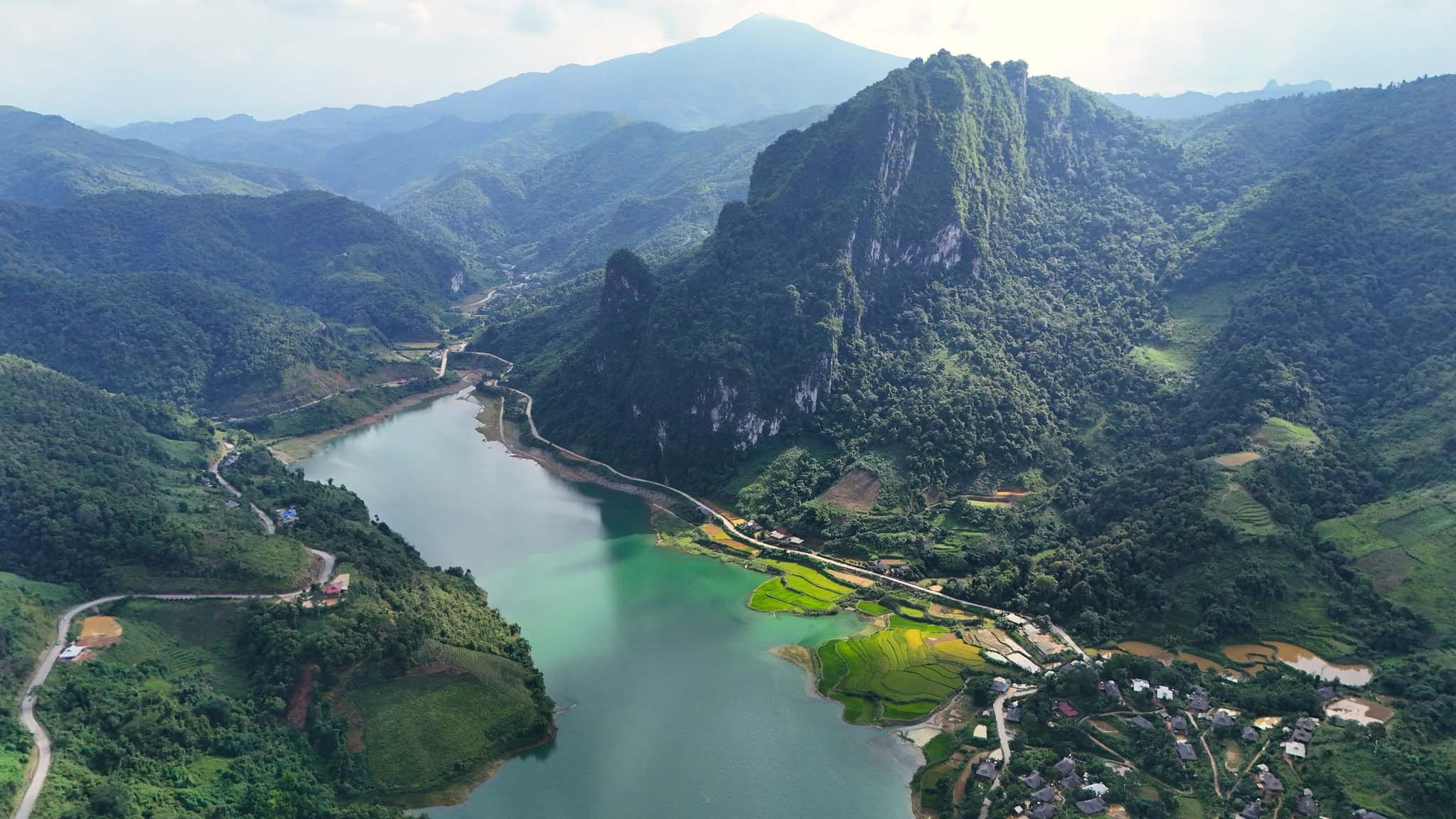
Ta Gia is distinguished by its dramatic karst formations. Limestone peaks of unusual shapes stand scattered across the lake, mirrored by calm, crystal clear water. These formations are the result of long geological processes, creating a setting that feels both ancient and serene. Boat trips across the reservoir allow visitors to approach the mountains closely and discover hidden caves carved into the shoreline.
Caves Hidden Beneath the Forest Canopy
Among Ta Gia’s most valuable natural assets are its cave systems, many of which remain unexplored. Formed over hundreds and even thousands of years through erosion and water movement, the caves reveal impressive chambers and stalactite formations. Tham Nanh Cave is considered the most remarkable, featuring a spacious interior and well preserved stone formations, partially concealed beneath dense forest cover.
Preserving Nature and Cultural Identity
Beyond its geology, Ta Gia has retained much of its original character. The area is home to ethnic minority communities whose cultural traditions continue to shape daily life. Local authorities view this balance of nature and culture as a foundation for sustainable tourism development, where preservation comes before commercialization.

A Gateway to Northern Highlands Exploration
Ta Gia Bay is located near several notable attractions including Than Uyen Pine Hill, Tham Phe Fish Village, Pa Khom Bay, and the Ta Mung Love Market. This proximity creates opportunities to link destinations into longer travel routes that highlight both natural landscapes and regional cultural experiences.
Toward Community Based Tourism
Visitors to Ta Gia can take part in boat excursions, explore limestone caves, cross the Ta Gia suspension bridge, enjoy local cuisine, and engage directly with local residents. These experiences support a community based tourism model that values authenticity while protecting natural and cultural assets.
As interest in slow travel and nature exploration grows, Ta Gia Bay stands out not for spectacle alone, but for its quiet beauty and potential to develop responsibly.
 Australian Hospitality Alumni Network Vietnam