
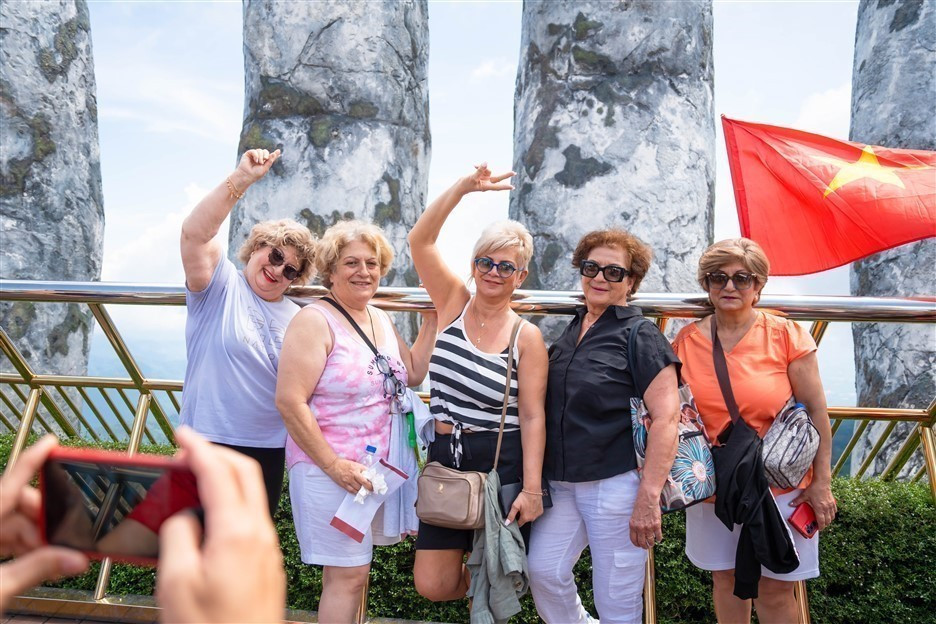
A Tourism Comeback Gaining Serious Momentum
Vietnam’s tourism sector is not just recovering, it is accelerating. Driven by strong domestic travel and a sharp rebound in international arrivals, the country is positioning itself as one of Asia’s fastest growing tourism destinations, according to a recent report by Savills Hotels and international law firm Watson Farley and Williams.
In 2024, Vietnam welcomed 17.6 million international visitors. In just the first nine months of 2025, that figure reached 15.4 million, putting the country firmly on track to achieve its ambitious target of 25 million foreign arrivals by year end.

Hospitality Supply Expands at a Regional Leading Pace
As of the third quarter of 2025, Vietnam offers more than 192,000 midscale to luxury hotel rooms, representing a compound annual growth rate of 10.9 percent over the past decade. This is one of the highest expansion rates in Southeast Asia, highlighting the scale and confidence of long term investment in the sector.
Roughly 60 percent of these rooms are concentrated in coastal destinations, reinforcing Vietnam’s strong resort driven tourism model and its appeal as a beach and leisure destination.
Performance Surges in Key Coastal Markets
Occupancy rates across major resort hubs show a clear resurgence. Da Nang and Nha Trang consistently report occupancy levels exceeding 70 to 75 percent, while Phu Quoc has recorded year on year gains of 10 to 15 percent. These figures point to a healthier balance between supply and demand, particularly as new hotel development begins to slow.
With demand shifting toward higher quality and more premium experiences, investor confidence is returning across the hospitality landscape.
Investor Interest Moves Upmarket
Domestic developers continue to dominate, holding nearly 90 percent of existing hotel stock, while around 68 percent of properties remain owner operated. This structure opens significant opportunities for refurbishment, repositioning and partnerships with international hotel operators.
The number of foreign hotel brands in Vietnam is expected to grow from around 90 today to more than 130 within the next three years, reflecting rising global confidence in the market.
At the same time, both local and international investors are actively seeking coastal land and redevelopment assets, with particular interest in luxury, upscale hotels and branded residence projects.

Infrastructure Lays the Foundation for Long Term Growth
Major infrastructure investments are reinforcing Vietnam’s tourism outlook. Projects such as Long Thanh International Airport, expansions at Noi Bai, the development of Gia Binh airport and the North South expressway are significantly improving connectivity and accessibility across the country.
According to Mauro Gasparotti, Senior Director of Savills Hotels Asia Pacific, improving demand fundamentals and broader acceptance of diverse hospitality products, especially in Ho Chi Minh City and Hanoi, continue to make Vietnam a compelling destination for foreign investors seeking high return opportunities.
Vietnam’s tourism story today is no longer about recovery. It is about scale, sophistication and a clear trajectory toward becoming a leading tourism and hospitality powerhouse in Asia.
 Australian Hospitality Alumni Network Vietnam