
Tourism adapts to a changing market
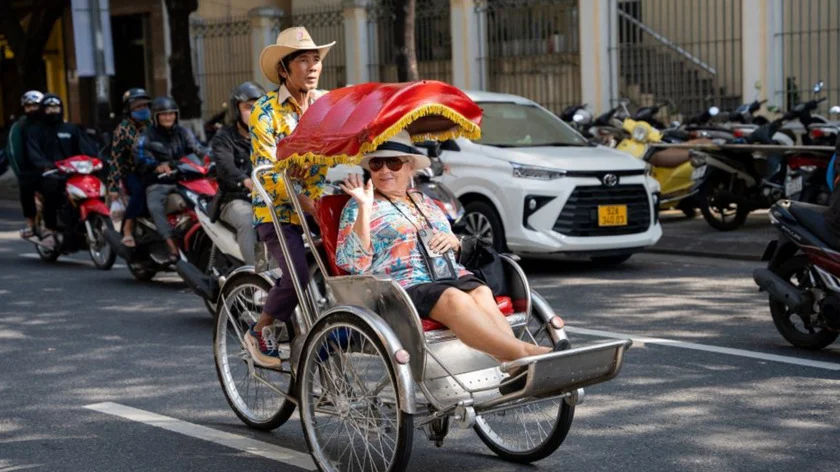
As South Korean travelers continue to dominate international arrivals in Da Nang, the city is reshaping its tourism services from the ground up. One of the most visible changes is happening on the streets, where cyclo drivers are learning Korean to better serve their fastest-growing customer base.
In the first eleven months of this year alone, Da Nang welcomed around two million South Korean visitors, accounting for 28 percent of all international arrivals. This surge has prompted local authorities to focus not only on infrastructure but also on human connection and service quality.
Language as a bridge to better experiences
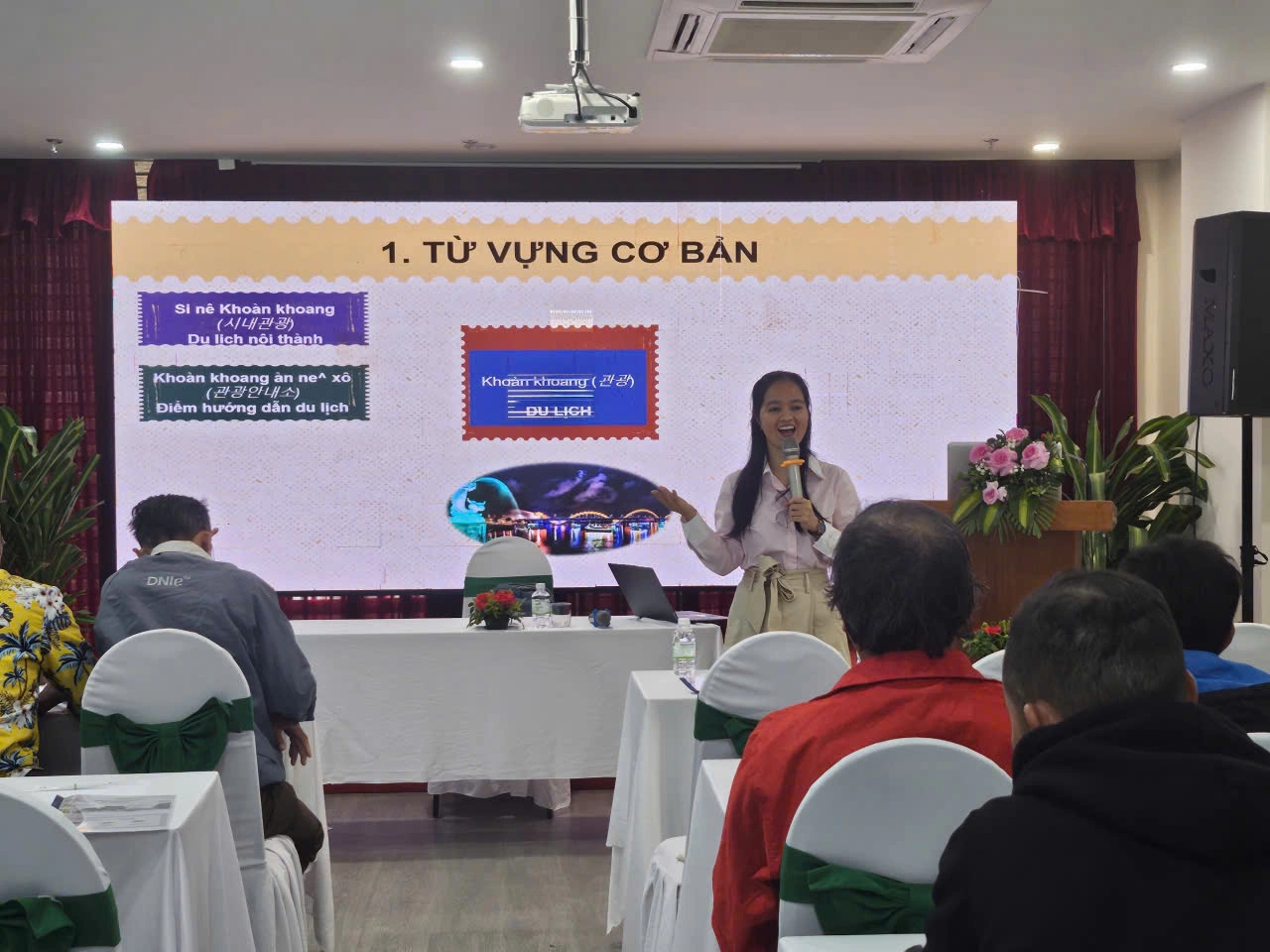
The Da Nang Tourism Promotion Center has launched a Korean-language training program for 83 cyclo drivers, teaching them basic communication skills as well as insights into Korean travel culture and expectations. The goal is simple but strategic: help drivers greet guests warmly, explain landmarks clearly, and create a more comfortable, personal experience.
For many visitors, a short conversation during a cyclo ride can shape their impression of the city. By speaking their language, drivers become cultural ambassadors rather than just transport providers.
Technology meets tradition
Alongside language training, cyclo tours have embraced technology. Since September, GPS-based audio guides have been installed on cyclos, automatically playing commentary in 15 languages as vehicles pass major attractions. These include the Cham Sculpture Museum, the Bach Dang riverfront, and the Han River area.
The combination of human interaction and multilingual audio guidance allows Da Nang to preserve the charm of traditional cyclo tours while meeting international service standards.
An eco-friendly way to explore the city
Cyclo tours offer visitors a slower, greener way to experience Da Nang. A typical 30-minute ride costs about VND200,000 per person and allows guests to enjoy the city’s streets, architecture, and river views without the noise or emissions of motorized transport.
These tours are now widely accessible through international platforms such as Klook, GetYourGuide, and Kkday. Since September, Klook alone has recorded nearly 100 bookings, most of them from South Korean travelers.
Professional standards behind the scenes
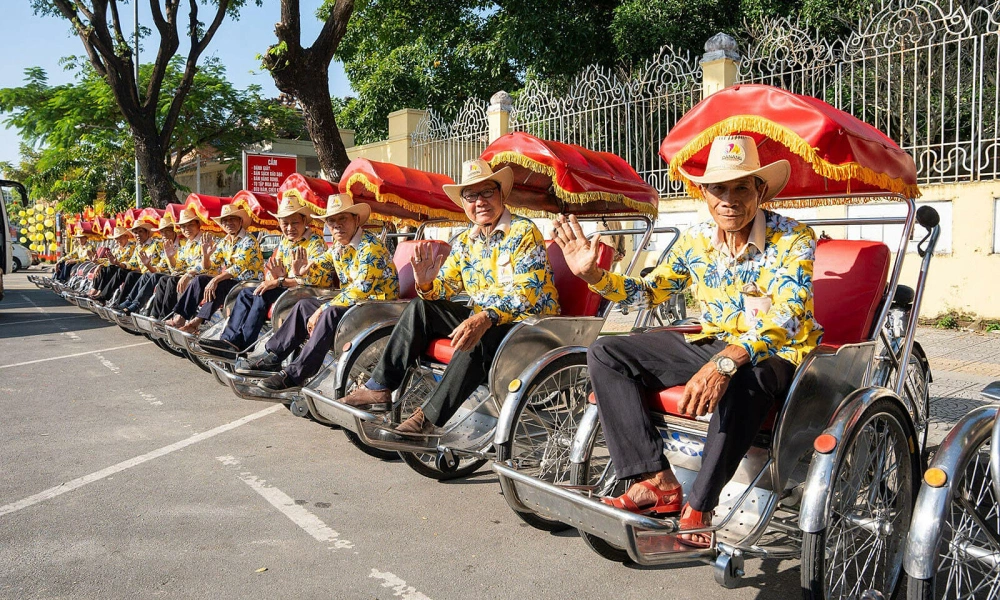
Da Nang’s tourist cyclo team, established in 2003, is managed directly by the Tourism Promotion Center. Drivers must meet health requirements, follow traffic regulations, avoid touting, maintain polite service standards, and demonstrate knowledge of local attractions. Foreign language skills are increasingly becoming part of this professional profile.
A signal of Vietnam’s tourism direction
With Vietnam receiving around 19 million visitors this year, up 21 percent compared to the pre-pandemic peak in 2019, competition among destinations is intensifying. While Chinese tourists still lead arrivals nationwide, South Koreans follow closely and are known for being quality-focused and willing to spend.
Da Nang’s decision to train cyclo drivers in Korean reflects a broader shift in Vietnam’s tourism strategy. Success is no longer just about attracting visitors, but about understanding them, communicating with them, and delivering experiences that feel thoughtful, respectful, and memorable.
 Australian Hospitality Alumni Network Vietnam