
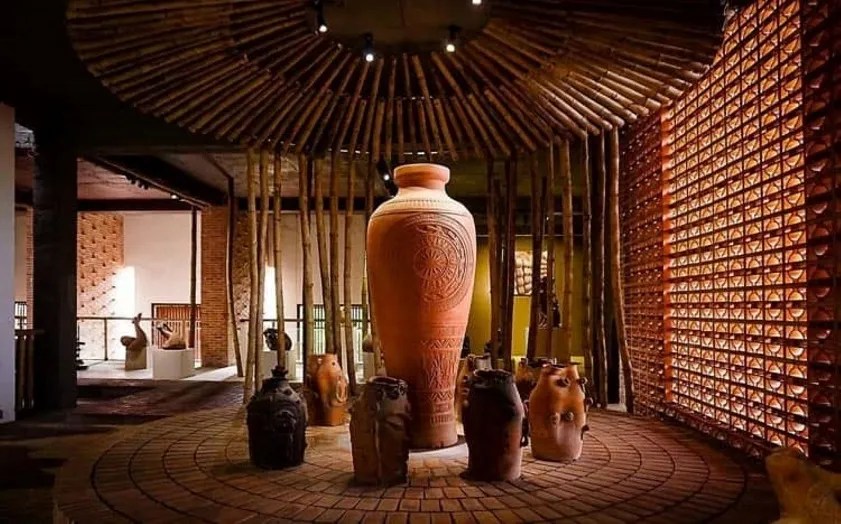
Just three kilometers from Hoi An’s ancient town, Thanh Ha Pottery Village quietly preserves more than five centuries of Vietnamese craftsmanship. Set along the gentle curves of the Thu Bon River, the village is a living testament to how tradition, patience, and artistry can endure through time.
A Village Shaped by Clay and Fire
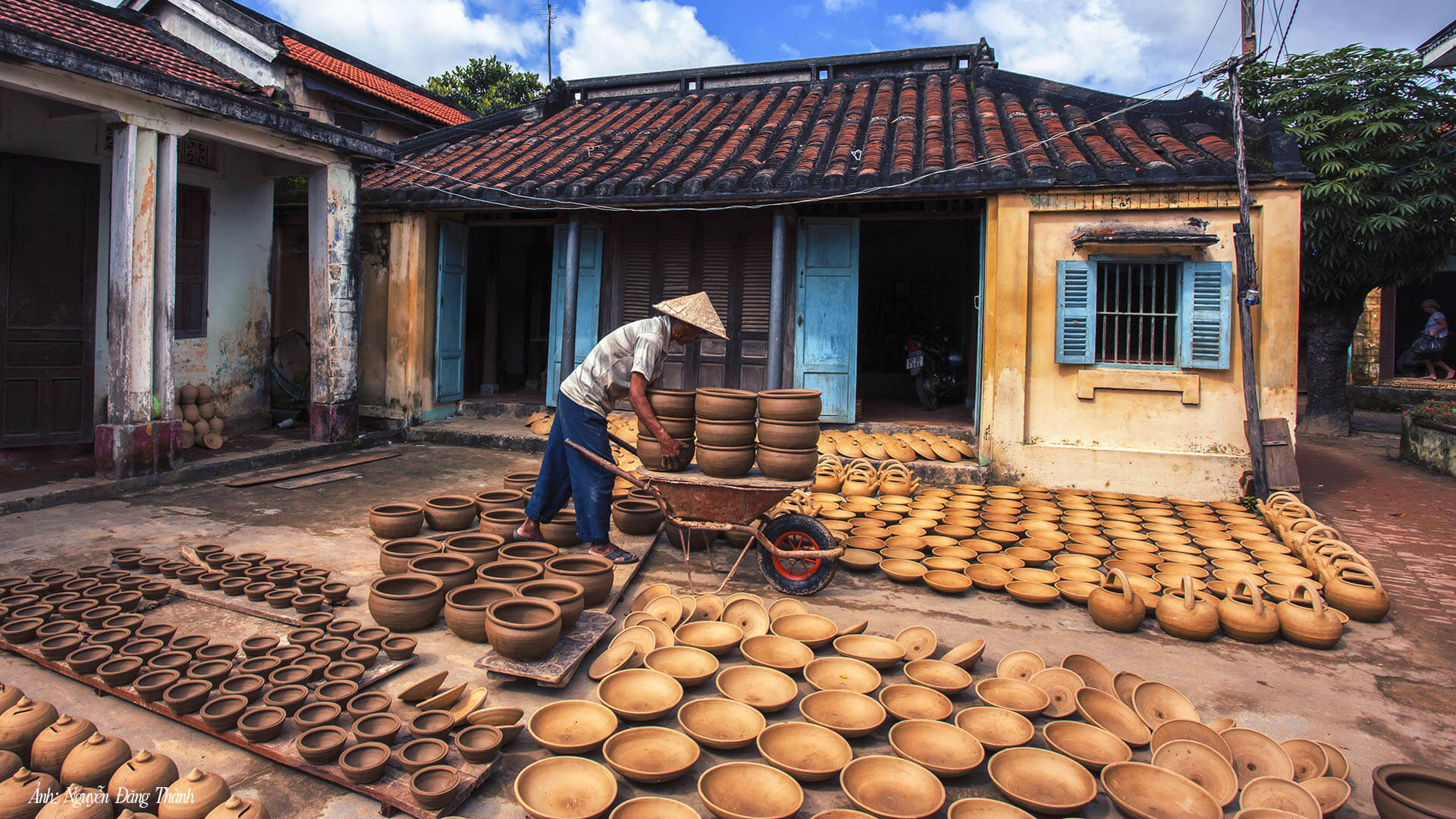
Thanh Ha is renowned for its handmade pottery crafted from local reddish-brown clay prized for its natural flexibility. Once fired, the clay reveals a warm orange hue that has become the village’s signature. The pottery remains unglazed yet remarkably durable, allowing the material itself to speak through texture and form.
Handmade by Tradition
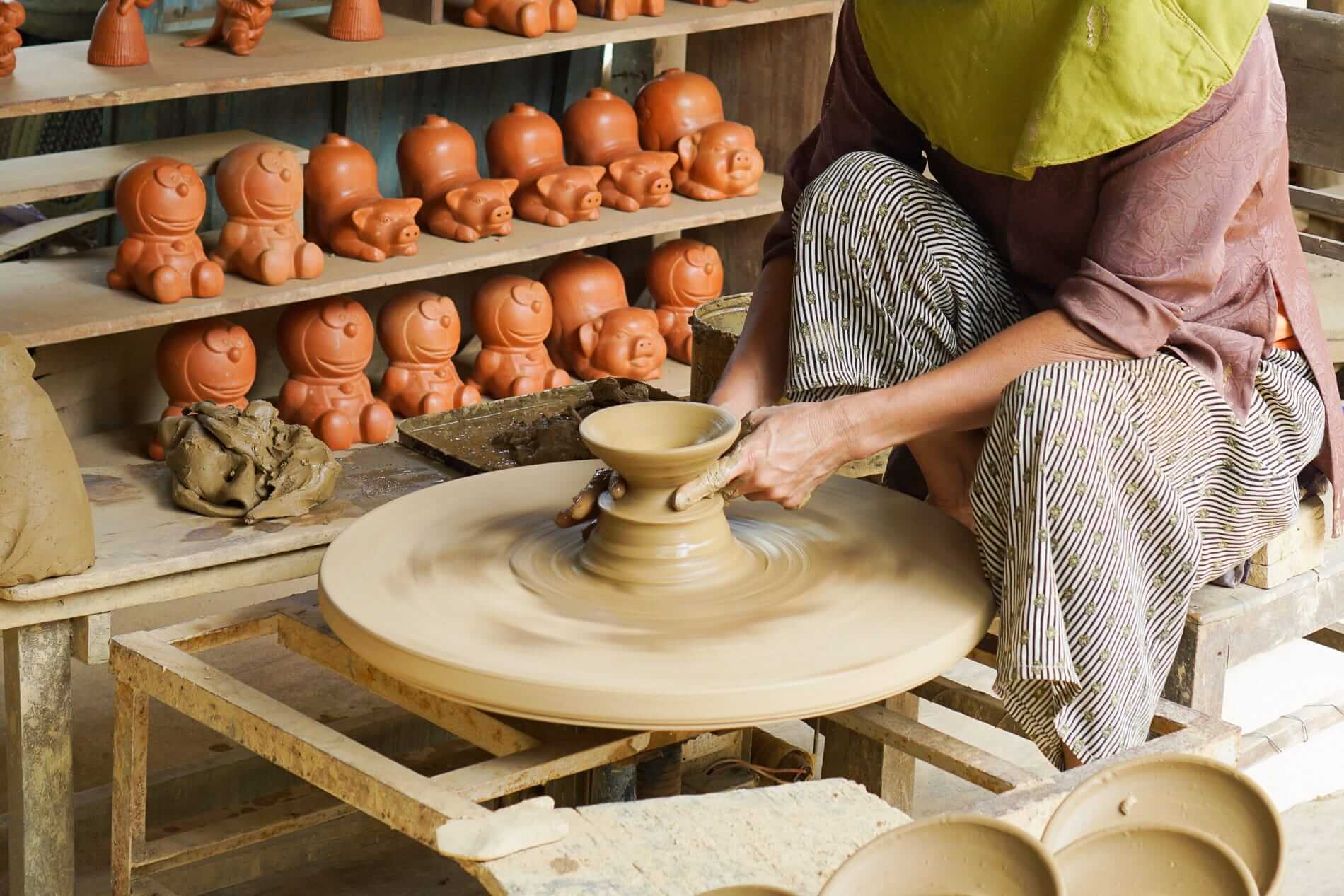
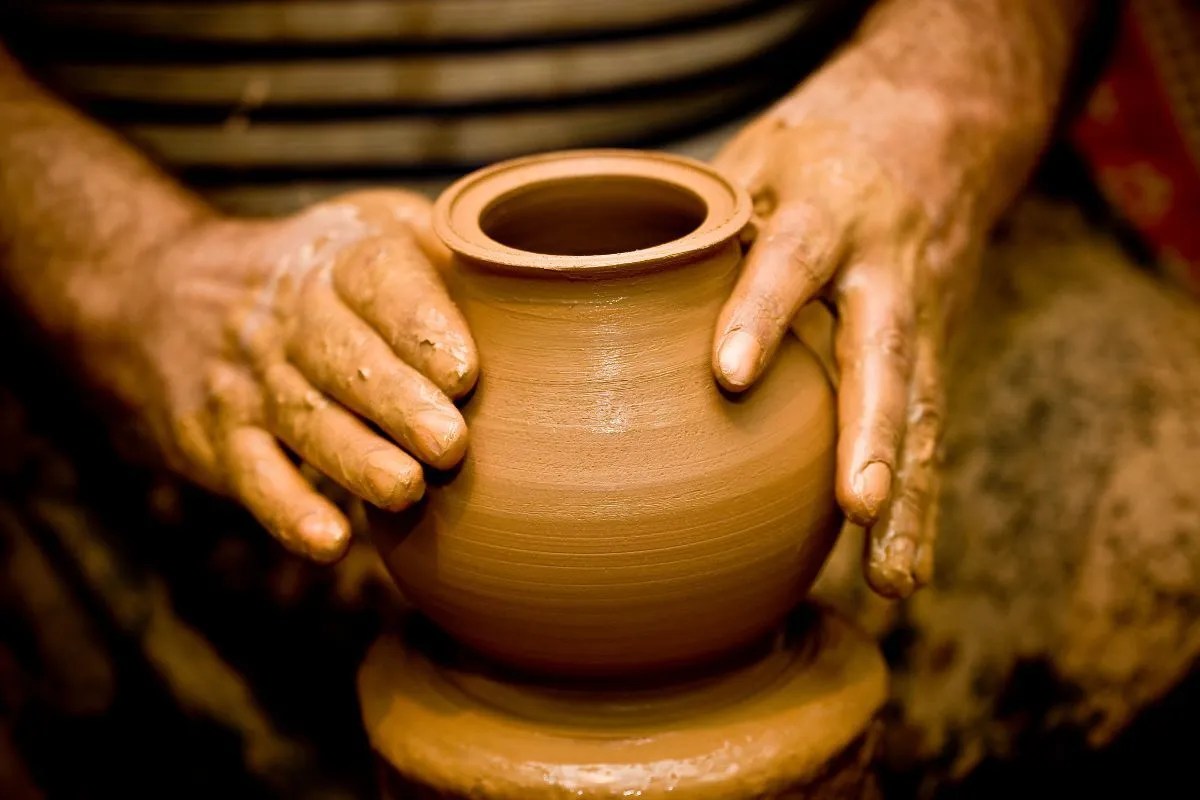
Every piece in Thanh Ha is shaped entirely by hand. Artisans work with foot-powered wheels, forming flower pots, teapots, figurines, lanterns, and decorative animals with practiced precision. More intricate designs are sculpted slowly, dried under the sun, carefully refined, and then fired in traditional kilns. The process reflects not speed, but devotion to craft.
From Everyday Objects to Artistic Creations
Beyond household items, Thanh Ha produces expressive works such as pottery dragons, phoenixes, lanterns, and miniature models of Hoi An’s old town. These pieces range from small, affordable souvenirs to elaborate decorative artworks, offering visitors a tangible connection to local culture.
A Living Cultural Experience
Thanh Ha is not just a place to shop, but a place to experience. Visitors can watch artisans at work and even try shaping clay themselves. Bamboo-lined paths, peaceful rural scenery, and the rhythmic movement of pottery wheels create a setting that feels both timeless and welcoming.
Preserving Heritage in a Modern World
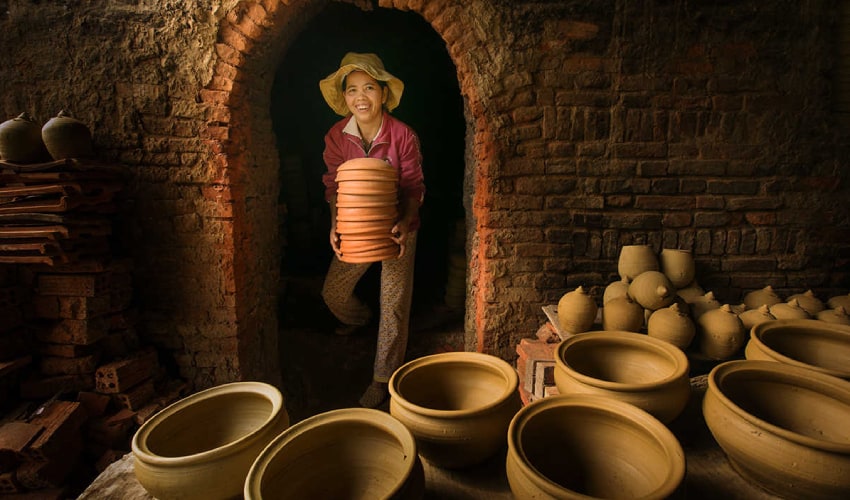
While modern pressures challenge traditional crafts, Thanh Ha’s artisans continue to innovate without losing their roots. By blending classic techniques with contemporary designs, they ensure the village remains relevant while honoring its legacy.
A visit to Thanh Ha Pottery Village is more than a cultural stop. It is an encounter with living heritage, where clay, fire, and human hands come together to tell the enduring story of Vietnamese craftsmanship.
 Australian Hospitality Alumni Network Vietnam