
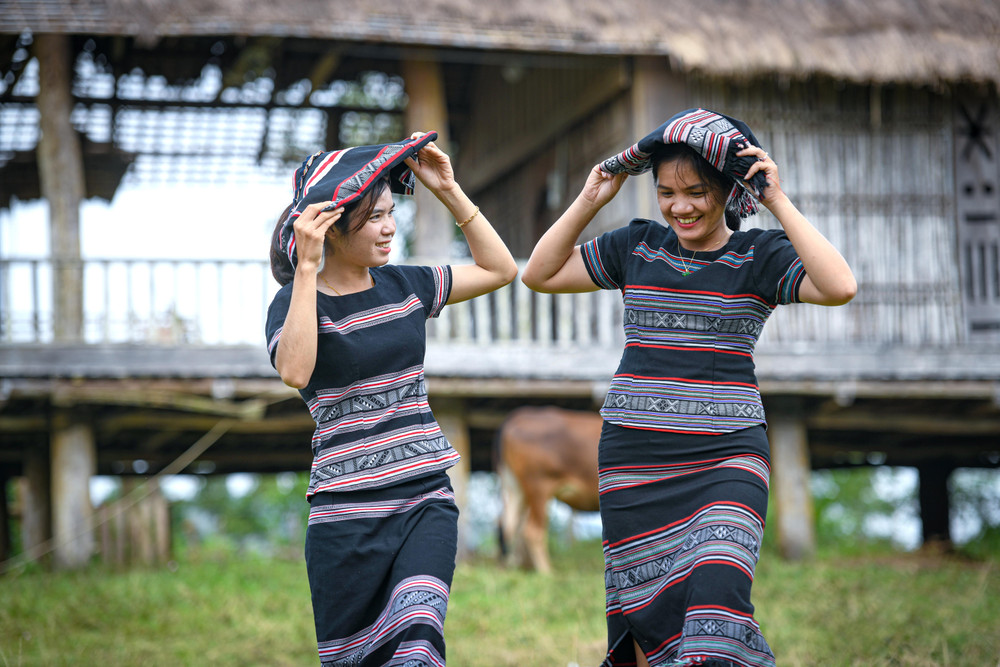
In recent years, community tourism has emerged as a strategic direction for the ethnic minority and mountainous areas of Quảng Ngãi Province. Rather than pursuing mass tourism, the province is focusing on a model that harmonises cultural preservation, environmental protection, and improved livelihoods for local people.
Untapped Landscapes and Living Cultures
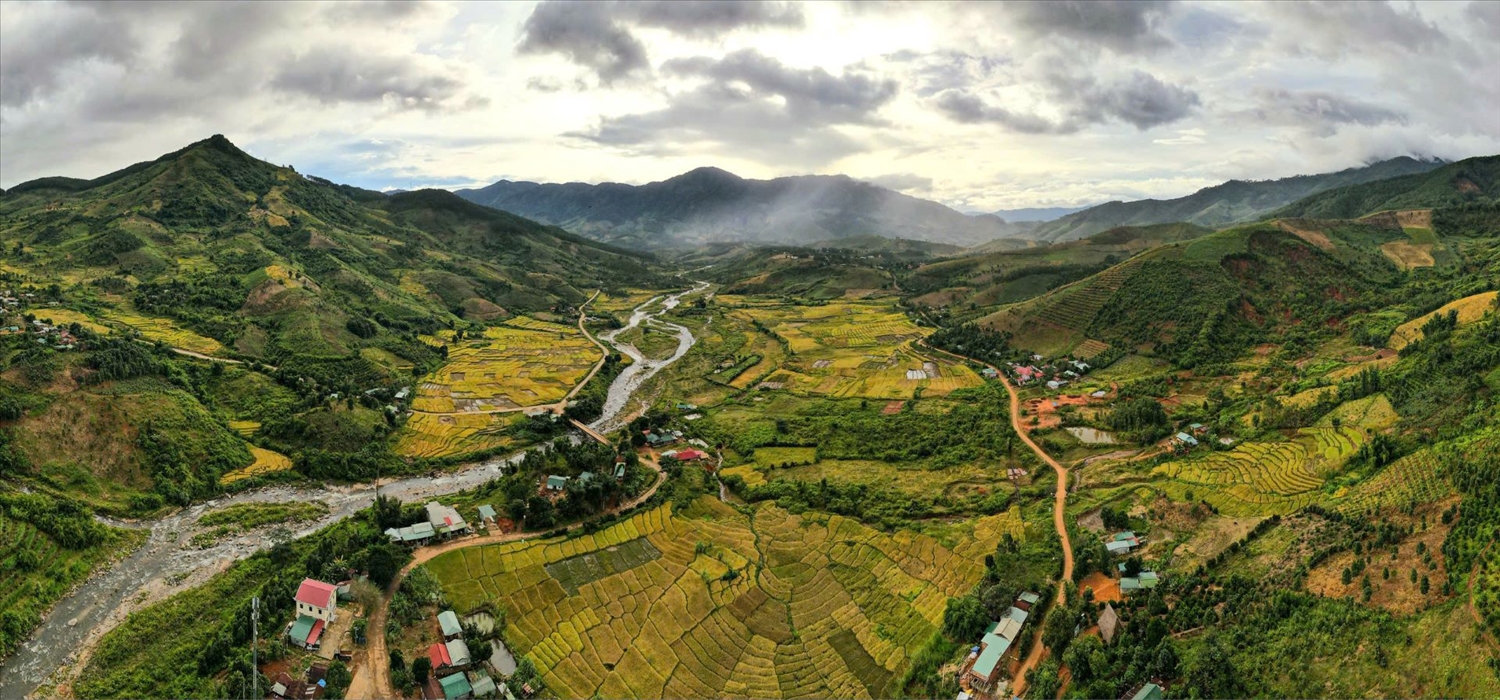
Quảng Ngãi possesses rich mountain tourism potential that remains largely underexplored. Majestic highlands blend with rivers and nearby coastlines, creating diverse natural scenery that appeals to travellers seeking authentic, nature based experiences. According to Phạm Văn Thủy, Deputy Director of the Việt Nam National Authority of Tourism, these natural assets form a strong foundation for sustainable community tourism.
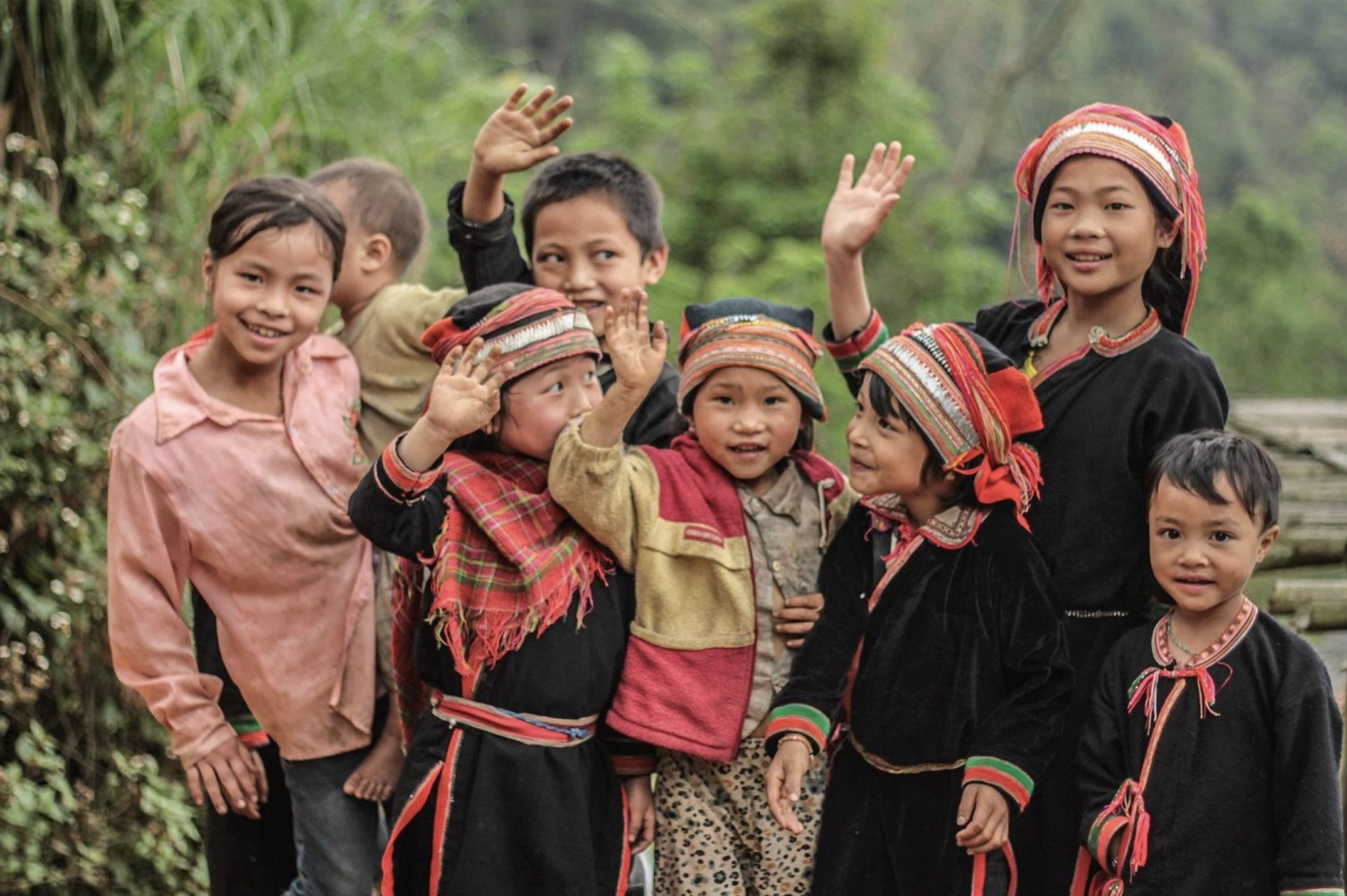
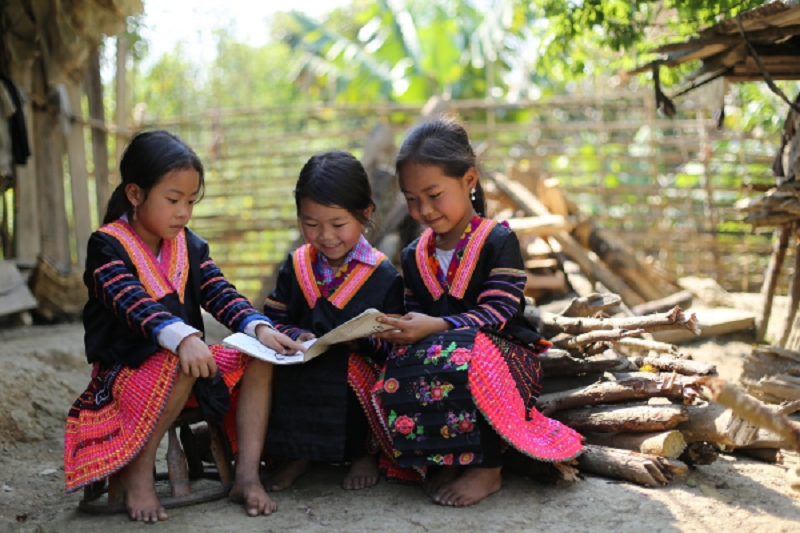
Equally valuable is the cultural wealth of the province. Home to 43 ethnic groups, Quảng Ngãi preserves a vibrant mosaic of gong performances, traditional festivals, handicrafts, and indigenous cuisine. When protected and thoughtfully presented, these cultural expressions become a powerful attraction, offering visitors a genuine connection with local life. At the heart of this appeal lies the warmth and sincerity of local communities, an intangible quality that distinguishes community tourism from conventional travel.
Early Models and Ongoing Barriers
Local authorities have taken concrete steps to promote community and rural tourism. Policies have focused on human resource development, building a recognisable Quảng Ngãi tourism identity, and leveraging national programmes for ethnic minority and mountainous area development. As a result, several community tourism villages such as Kon K’Tu, Vi Rơ Ngheo, Đăk Răng, and Kon Trang Long Loi have begun to take shape, while destinations like A Biu and Làng Teng are slowly unlocking the region’s tourism potential.
Despite these efforts, community tourism has yet to reach its full capacity. Infrastructure remains limited, tourism products lack clear differentiation, and community participation is uneven. Many residents still lack tourism skills, business linkages are weak, and visitor spending remains modest, constraining long term growth.
The Gap Between Policy and Reality
Experts point out that western Quảng Ngãi faces a disconnect between tourism policies and on the ground realities. Associate Professor Nguyễn Thị Nguyên Hồng notes that insufficient research into community capacity has resulted in repetitive tourism offerings and a shortage of complementary services that could appeal to international visitors. Without a clear understanding of local skills, motivations, and constraints, development efforts struggle to gain depth.
In addition, while healing and wellness tourism shows promise in the region, Dr Cao Thị Thanh observes that accommodation facilities are still basic. Most options are simple motels or traditional homestays, rarely designed to support wellness focused experiences that modern travellers increasingly seek.
Empowering Communities as the Core Strategy
Sustainable community tourism depends fundamentally on the capacity of local people. Raising awareness about tourism, improving hospitality skills, and guiding residents on homestay standards are essential first steps. Beyond service skills, communities need training in organisation, management, communication, and financial planning so they can actively shape tourism development rather than remain passive participants.
Successful examples from other regions demonstrate that when communities are empowered, tourism becomes both an economic opportunity and a tool for cultural preservation. Residents not only benefit financially but also gain pride and agency in safeguarding their traditions.

Investing in People for Long Term Impact
Building high quality human resources from within the community is critical for long term success. Local guides who understand their own culture, cuisine, and history can provide visitors with richer and more meaningful experiences. This approach ensures authenticity while keeping economic benefits within the community.
Provincial leaders emphasise that community tourism must always place local people at its centre. Tourism should not be separated from the community’s values or daily life. Financial support, stronger connections with businesses and travel agencies, and consistent policy backing are necessary to sustain momentum.
A Path Forward for Quảng Ngãi
Looking ahead, enhancing infrastructure, strengthening human resources, developing recognisable tourism products, and promoting Quảng Ngãi domestically and internationally will be key. The Việt Nam National Authority of Tourism has reaffirmed its commitment to working with local governments, educational institutions, and businesses to train skilled tour guides and promote the province’s cultural and culinary heritage.
By grounding tourism development in community empowerment and cultural respect, Quảng Ngãi has the opportunity to create a model where visitors feel like part of local life and residents benefit from sustainable growth. This path not only enriches tourism experiences but also strengthens the social and cultural fabric of the highlands.
 Australian Hospitality Alumni Network Vietnam