

Vietnam has just introduced one of its most significant updates to e-visa access to date. According to Government Resolution No. 389/NQ-CP issued on December 2, 2025, the Government has officially approved forty-one additional border gates that accept e-visas, raising the total number of valid entry and exit points to eighty-three nationwide. This change broadens accessibility across airports, land crossings, and seaports, and it signals a clear commitment to strengthening international tourism and travel convenience.
The Government has supplemented 41 border gates to the list of ports that allow foreigners to enter and exit Viet Nam by e-visa, bringing the total ports to 83, the Government News quoted the Government Resolution No. 389/NQ-CP. Accordingly, additional ports for e-visa include:
I. List of airway border gates
1. Long Thanh International Airport (once coming into operation)
2. Gia Binh International Airport (once coming into operation)
3. Vinh International Airport
4. Chu Lai International Airport
II. List of land border gates
1. Dong Dang border gate (railway) in Lang Son province
2. Lao Cai border gate (railway) in Lao Cai province
3. Tra Linh border gate in Cao Bang province
4. Long Sap border gate in Son La province
5. Nam Giang border gate in Da Nang City
6. Le Thanh border gate in Gia Lai province
7. Binh Hiep border gate in Tay Ninh province
8. Thuong Phuoc land and waterway border gate in Dong Thap province
9. Dinh Ba international border gate in Dong Thap province
10. Tan Nam international border gate in Tay Ninh province
11. Thanh Thuy international border gate in Tuyen Quang province
III. List of sea border gates
1. Van Gia Seaport in Quang Ninh province
2. Diem Dien Seaport in Hung Yen province
3. Hai Thinh Seaport in Ninh Binh province
4. Ninh Binh Seaport in Ninh Binh province
5. Cua Lo-Ben Thuy Seaport in Nghe An province
6. Son Duong Seaport in Ha Tinh province
7. Gianh Seaport in Quang Tri province
8. Hon La Seaport in Quang Tri province
9. Cuu Viet Seaport in Quang Tri province
10. Thuan An Seaport in Hue City
11. Ky Ha Seaport in Da Nang City
12. Sa ky Seaport in Quang Ngai province
13. Vung Ro Seaport in Dak Lak province
14. Ca Na Seaport in Khanh Hoa province
15. Ninh Chu Seaport in Khanh Hoa province
16. Phu Quy Seaport in Lam Dong province
17. Lien Huong Seaport in Lam Dong province
18. Ben Luc Seaport in Tay Ninh province
19. Dong Thap Seaport in Dong Thap province
20. Soai Rap – Hiep Phuoc Seaport in Dong Thap province
21. My Thoi Seaport in An Giang province
22. Hon Chong Seaport in An Giang province
23. An Thoi Seaport in An Giang province
24. Truong Long Hoa Seaport in Vinh Long province
25. Giao Long Seaport in Vinh Long province
26. Nam Can Seaport in Ca Mau province
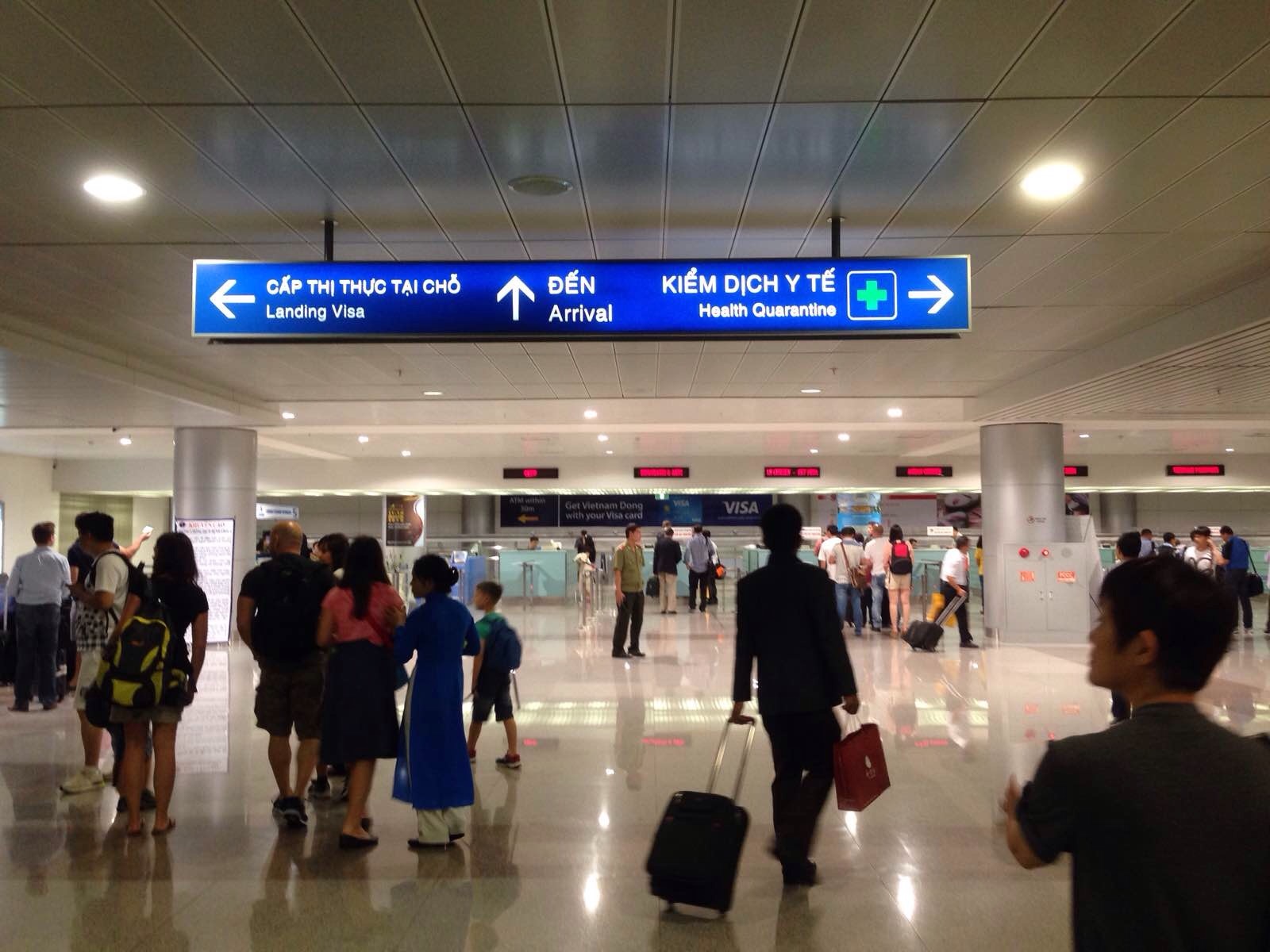
More Flexibility for Travelers
With this expansion, foreign visitors will be able to enter and exit Vietnam through a much wider range of locations, including newly listed airports such as Long Thanh, Gia Binh, Vinh, and Chu Lai once fully operational. New land and railway entry points, from Dong Dang and Lao Cai in the north to Nam Giang in Da Nang and Thanh Thuy in Tuyen Quang, further diversify access across key economic and tourism corridors. The list of newly added seaports spans almost the entire coastline, making maritime entry and cruise-based travel more feasible than before.
What Changes for E-Visa Holders
Once issued, an e-visa allows multiple entry within a ninety-day period and can be used across all designated ports. This means travelers no longer have to rely solely on major hubs like Hanoi or Ho Chi Minh City and can instead choose entry points closest to their travel itinerary. In practice, this reduces congestion at traditional international airports and opens opportunities for regional tourism destinations to welcome independent travelers more directly.
Special Policy for Phu Quoc
A standout exception continues to apply to Phu Quoc Island, located off the coast of An Giang province. Visitors arriving directly and staying exclusively on the island may remain without a visa for up to thirty days. This arrangement has been a successful tourism catalyst and remains one of Vietnam’s most attractive visa privileges.
The Bigger Picture
This is not simply an administrative update; it is a strategic move that expands regional connectivity, distributes tourism beyond major cities, and improves long-stay potential for travellers who rely on flexible movement across borders. At a time when Southeast Asian destinations are competing aggressively for international arrivals, Vietnam’s decision signals both confidence and commitment to welcoming more global visitors in 2025 and beyond.
 Australian Hospitality Alumni Network Vietnam