

Thanks to the efforts of local communities and more structured investment flows, tourism is emerging as a new growth engine for remote and mountainous areas, where indigenous culture and authentic experiences have become the region’s defining assets.
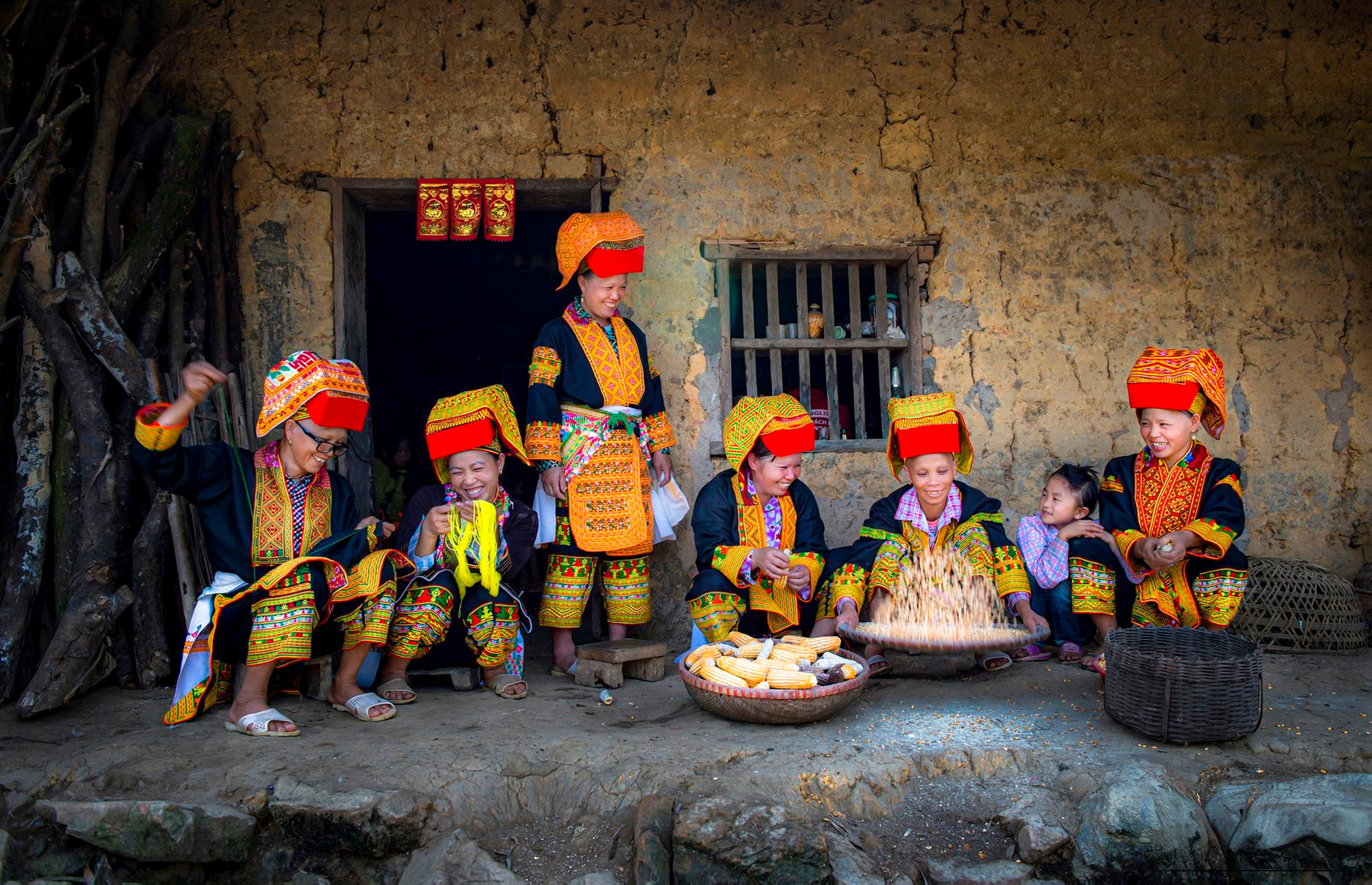
Investment revitalises mountain tourism
After a subdued period in 2024 due to natural disasters, tourism in many upland provinces has rebounded strongly.
The Đồng Văn Karst Plateau Global Geopark in Tuyên Quang Province was named Asia’s Leading Cultural Destination at the 2025 World Travel Awards, providing renewed momentum for northern mountain tourism. Previously, the former Hà Giang Province-now part of Tuyên Quang-also earned titles for Asia’s Leading Emerging Tourism Destination (2023) and Asia’s Leading Cultural Destination (2024). These recognitions, combined with recent administrative boundary adjustments, are helping position Tuyên Quang as the “heart of cultural and experiential tourism” in the region.
International awards serve as powerful credibility markers, further strengthening destination brands. As confidence grows, investors become more willing to commit capital, authorities gain a stronger mandate to prioritise infrastructure, and local communities feel encouraged to preserve their cultural identity while elevating service quality.
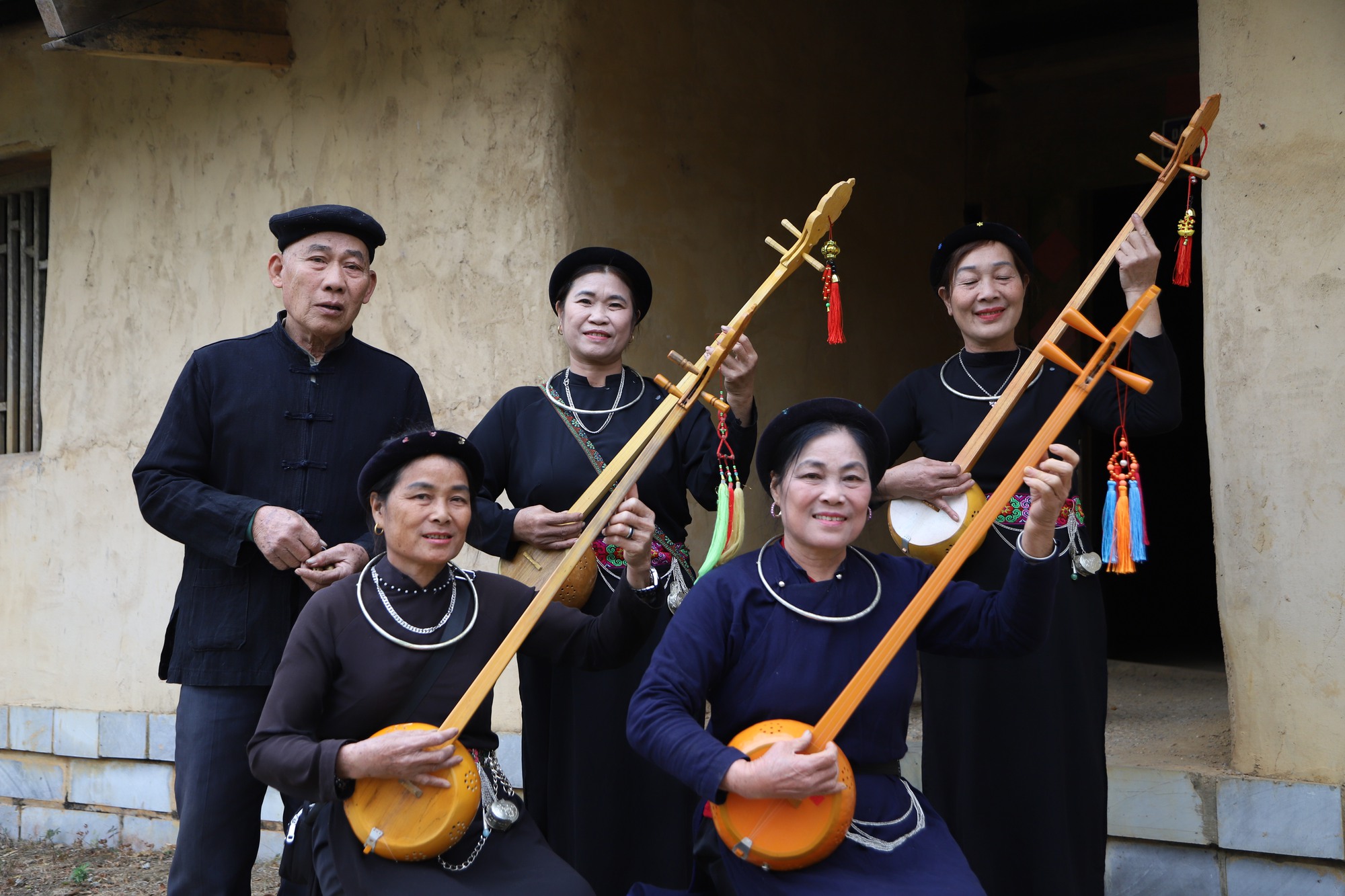
Tourism investment is now shifting toward enhanced experiences, upgraded infrastructure, and improved skills for local residents. Sustainable development is achievable only when projects are closely linked to community life and livelihoods.
The UNESCO-recognised Đồng Văn Karst Plateau Geopark is seen as a leading example of balancing conservation with authentic cultural experiences.
According to Hoàng Xuân Đon, Director of the Management Board, the area maintains its ethnic character through everyday life rather than staged performances. Investment, he said, should allow culture to “continue breathing” by supporting training in professional tourism services and nurturing traditional lifestyles – key elements that encourage visitors to return.
Following the 2024 natural disasters, many businesses supported local communities through charitable tourism initiatives, allowing travellers to combine exploration with meaningful contributions. Activities such as donating school supplies, purchasing OCOP products, and using local services created micro-investments that strengthened community livelihoods.
When authorities, schools, social organisations, and travel companies coordinate effectively, support becomes more impactful and avoids fragmentation. This approach not only demonstrates humanitarian values but also offers a simple, scalable model of sustainable social investment, helping local communities build confidence and transform tourism into a bridge between goodwill and development.
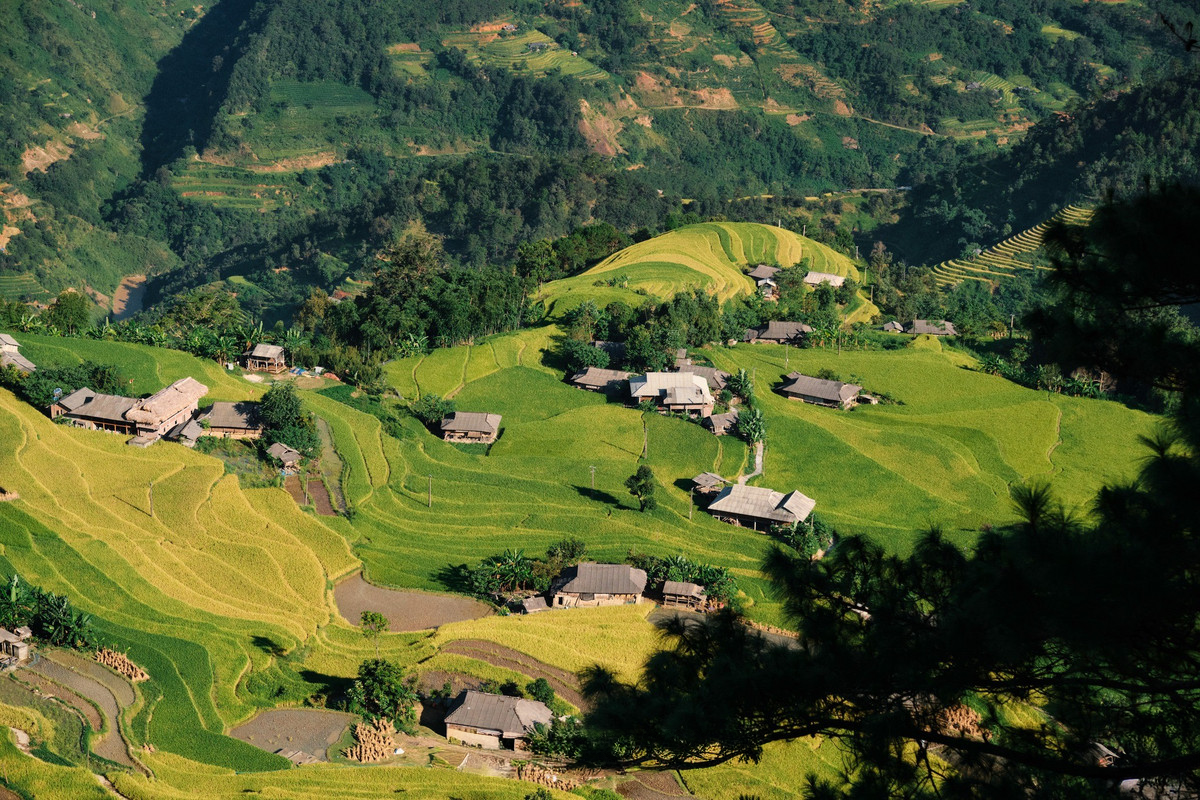
Infrastructure, skills, and cultural identity – foundations for sustainable tourism
As mountain destinations receive greater recognition and capital, the key question is how to convert investment into tangible value. In highland localities where conditions remain challenging, tourism development must prioritise practical, community-centered improvements.
Visitor infrastructure is being strengthened through widened access roads, compact parking areas, safe viewpoints, bilingual signage, expanded Wi-Fi coverage, and standardised waste and wastewater treatment systems to protect the environment.
Equally important is the development of “soft infrastructure.” Homestay owners participate in training on hygiene, food safety, and hospitality; local residents receive guidance on intercultural communication; OCOP products are supported in packaging and traceability; and young people learn digital storytelling to promote local culture and regional products.
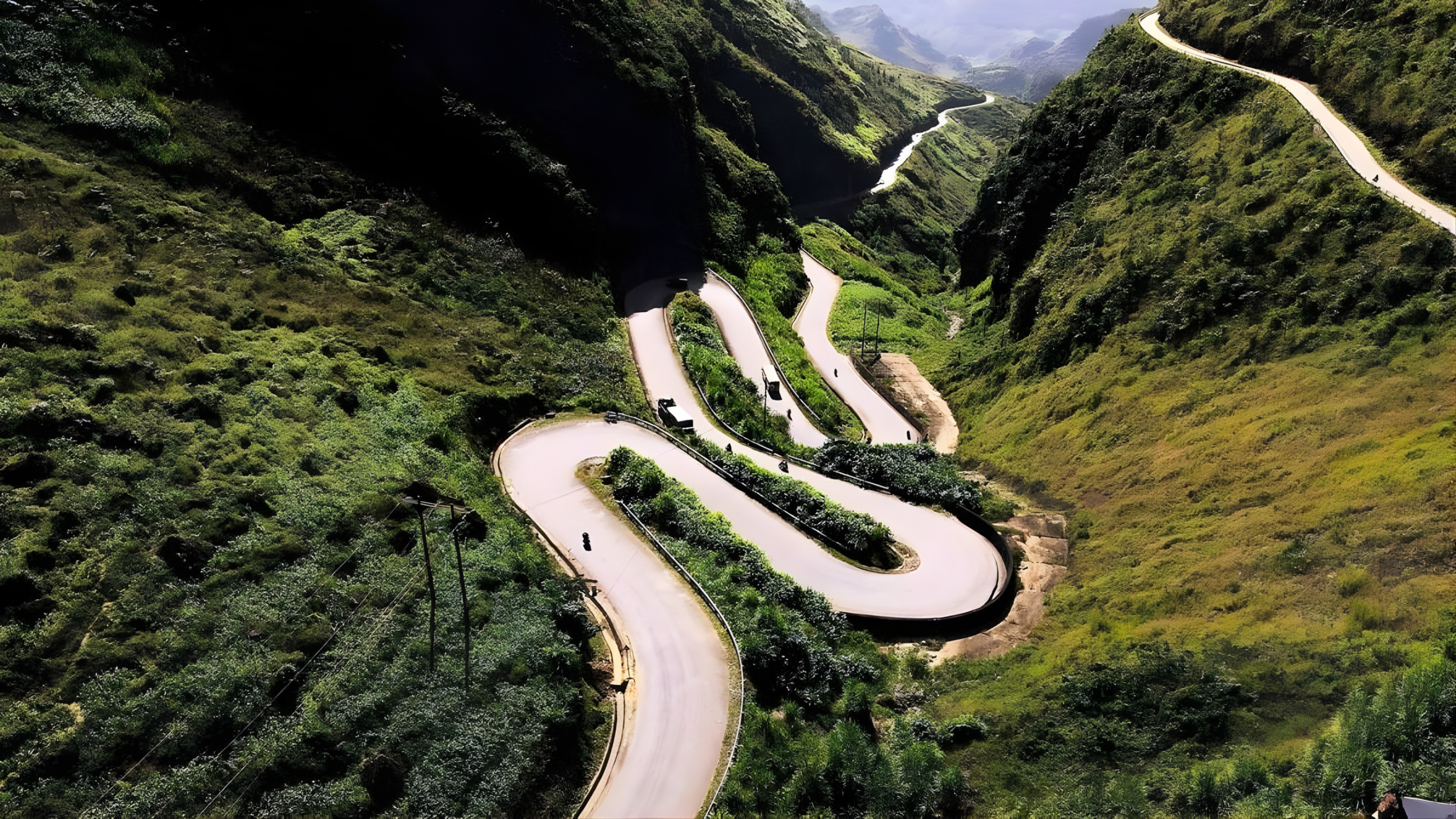
Diversifying tourism experiences is another key focus. Visitors can trek, ride motorbikes along the Ha Giang Loop (now within Tuyên Quang’s administrative boundary), explore caves, join evening cultural activities, or attend workshops on traditional crafts. Each activity helps convey local stories, allowing travellers to engage deeply with cultural heritage.
Ensuring long-term sustainability also requires effective destination management, including safety and hygiene indicators, benefit-sharing mechanisms, and a cultural preservation fund supported by accommodation revenue, entrance fees, and experience-based services.
 Australian Hospitality Alumni Network Vietnam