

A Heritage Icon with Enduring Global Appeal
Since 2012, Hoi An Ancient Town in Da Nang City has recorded 17.4 million ticketed visitors. Of these, more than 3.3 million were domestic travellers and 14 million were international tourists, reflecting the town’s sustained global magnetism. Ticket sales have generated over VND1.9 trillion (USD 72.1 million), according to a city conference held on Monday.

A Comprehensive Conservation Vision
The conference reviewed the city’s comprehensive investment plan for the conservation, restoration, and promotion of Hoi An from 2012 to 2025. With nearly 1,400 ancient relics and a rich system of intangible cultural heritage, Hoi An has long been positioned as a centre of Vietnam’s heritage tourism. UNESCO has recognized it as a model that successfully combines preservation with sustainable development.
Safeguarding Authenticity Through Planning
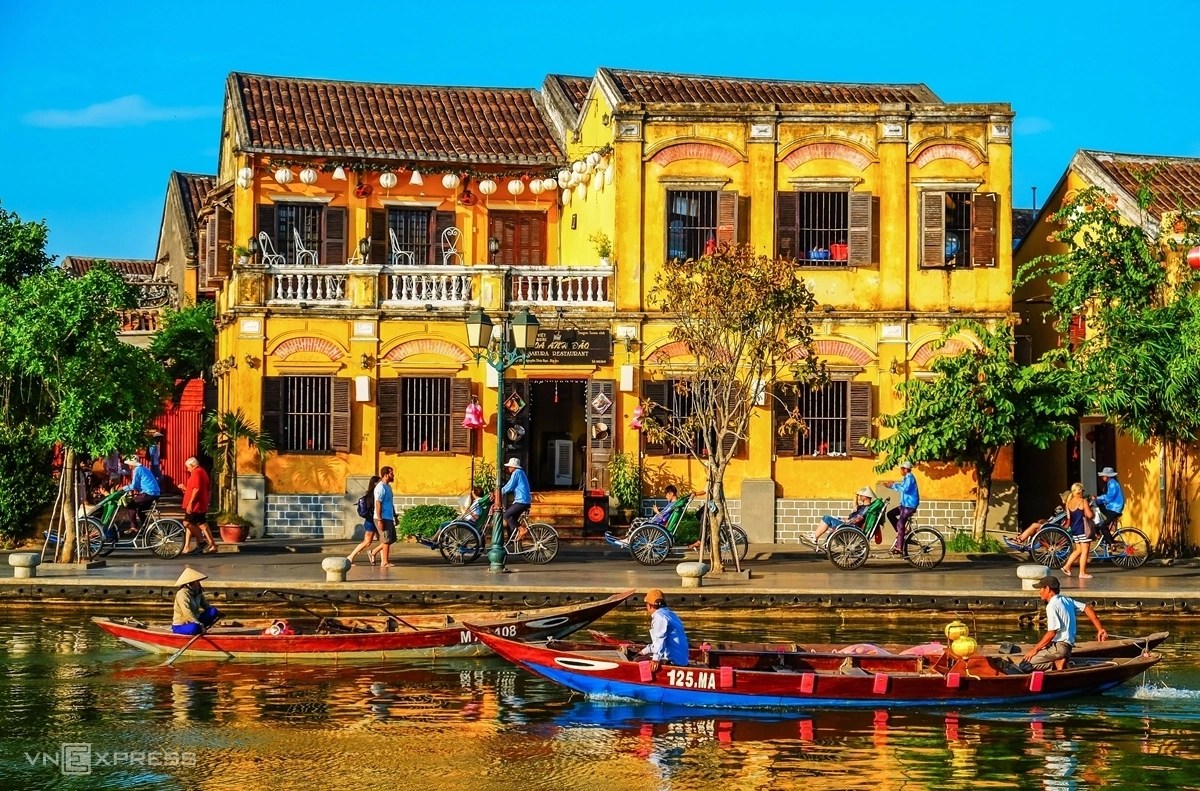
In 2012, the Vietnamese government approved a master plan to protect and develop Hoi An Ancient Town through tourism. Despite changing trends and rising visitor numbers, the ancient town has remained at the heart of all planning, ensuring its original character is carefully preserved. Surrounding areas have been planned to transition seamlessly into the heritage space to maintain visual and cultural harmony.
Strengthening the Heritage Landscape
Natural ecological zones and traditional craft villages have been protected and connected with the Cu Lao Cham – Hoi An World Biosphere Reserve to create a cohesive cultural and environmental system. Hoi An’s relics have been inventoried and categorized, resulting in one special national relic, 27 national-level relics, 50 provincial-level relics, and 19 relics under protection for the 2024 – 2029 period.
Investing in Restoration and Cultural Continuity
Over the past 13 years, hundreds of billions of Vietnam dong have been invested in restoring centuries-old structures, including VND8.5 billion (USD 322,645) dedicated to termite control. Hoi An currently holds eight national intangible cultural heritage titles and celebrates its living heritage through festivals, traditional customs, and community craftsmanship.

Leadership Perspectives on Preservation
Nguyen Thi Anh Thi, Vice-Chairwoman of the Da Nang People’s Committee, highlighted the essential role of the 13-year master plan in maintaining heritage integrity. Deputy Minister of Culture, Sports, and Tourism Hoang Dao Cuong emphasized that Hoi An’s continued preservation is the result of collective, intergenerational commitment to safeguarding a priceless legacy.
Addressing Modern Challenges
Heritage experts noted ongoing pressures from urbanization and rapid tourism growth. These challenges have contributed to deterioration of some relics and a gradual decline in everyday cultural life within ancient houses. The administrative restructuring of Hoi An City into three wards and one commune requires a new governance model that can ensure consistent, unified management of the heritage area.

Building a Unified Preservation Framework
Authorities stressed the need for a clearly defined system of management and coordination that prevents fragmentation and maintains Hoi An’s integrity, authenticity, and outstanding universal value. The city’s holistic approach to planning, conservation, and promotion has already helped most residents shift into livelihoods rooted in tourism, services, and commerce.
An Award-Winning Destination
In the past 13 years, Hoi An has earned 81 tourism awards. In 2024 alone, the ancient town welcomed 4.4 million visitors, reaffirming its position as one of Vietnam’s most cherished and enduring cultural treasures.
 Australian Hospitality Alumni Network Vietnam