

Nestled along the tranquil Thu Bồn River in Central Vietnam, the ancient town of Hội An stands as a living testament to the country’s cultural depth and commitment to sustainable development. Since its inscription as a UNESCO World Heritage Site in 1999, Hội An has been celebrated not only for its timeless beauty but also for its success in preserving heritage while embracing responsible tourism.
Safeguarding the Soul of an Ancient Town
Once a thriving international trading port from the 15th to the 19th centuries, Hội An still retains much of its historic fabric. Its moss-covered tiled roofs, ochre-colored merchant houses, and lantern-lit streets remain remarkably intact, offering visitors a rare glimpse into Vietnam’s past.
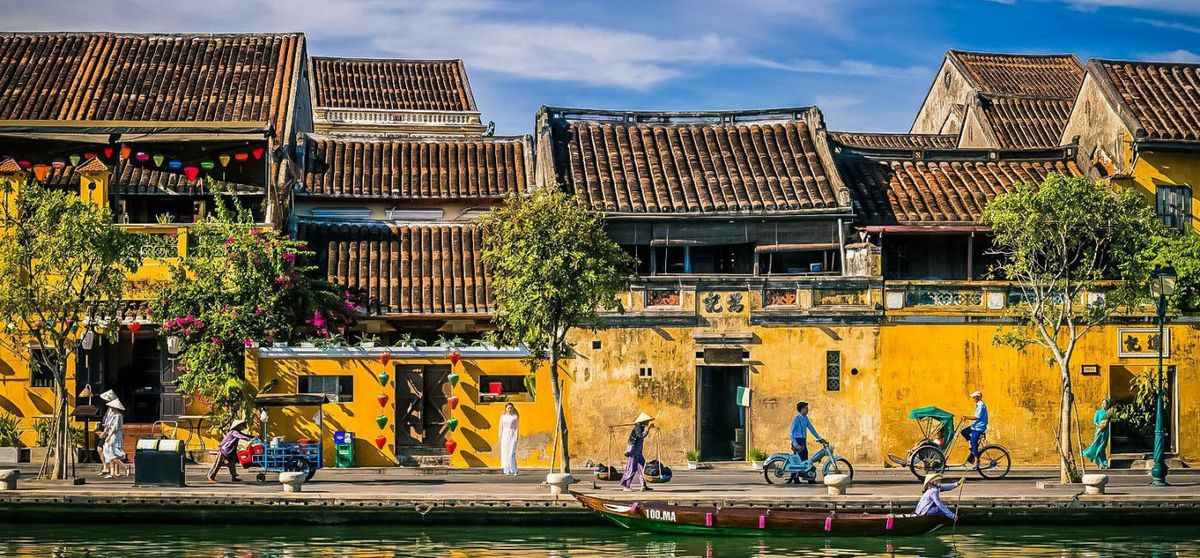
Local authorities have implemented strict heritage management regulations to maintain this authenticity. Restoration projects follow UNESCO guidelines, ensuring that any preservation work respects the town’s original architecture and spatial harmony. This steadfast approach has helped Hội An maintain its identity as one of the best-preserved trading ports in Southeast Asia.
Community at the Heart of Conservation
At the core of Hội An’s success is a model that places the local community at the center of conservation. The town’s residents play an active role in preserving and promoting traditional crafts such as lantern-making, silk weaving, and pottery — trades that once defined its commercial prosperity.
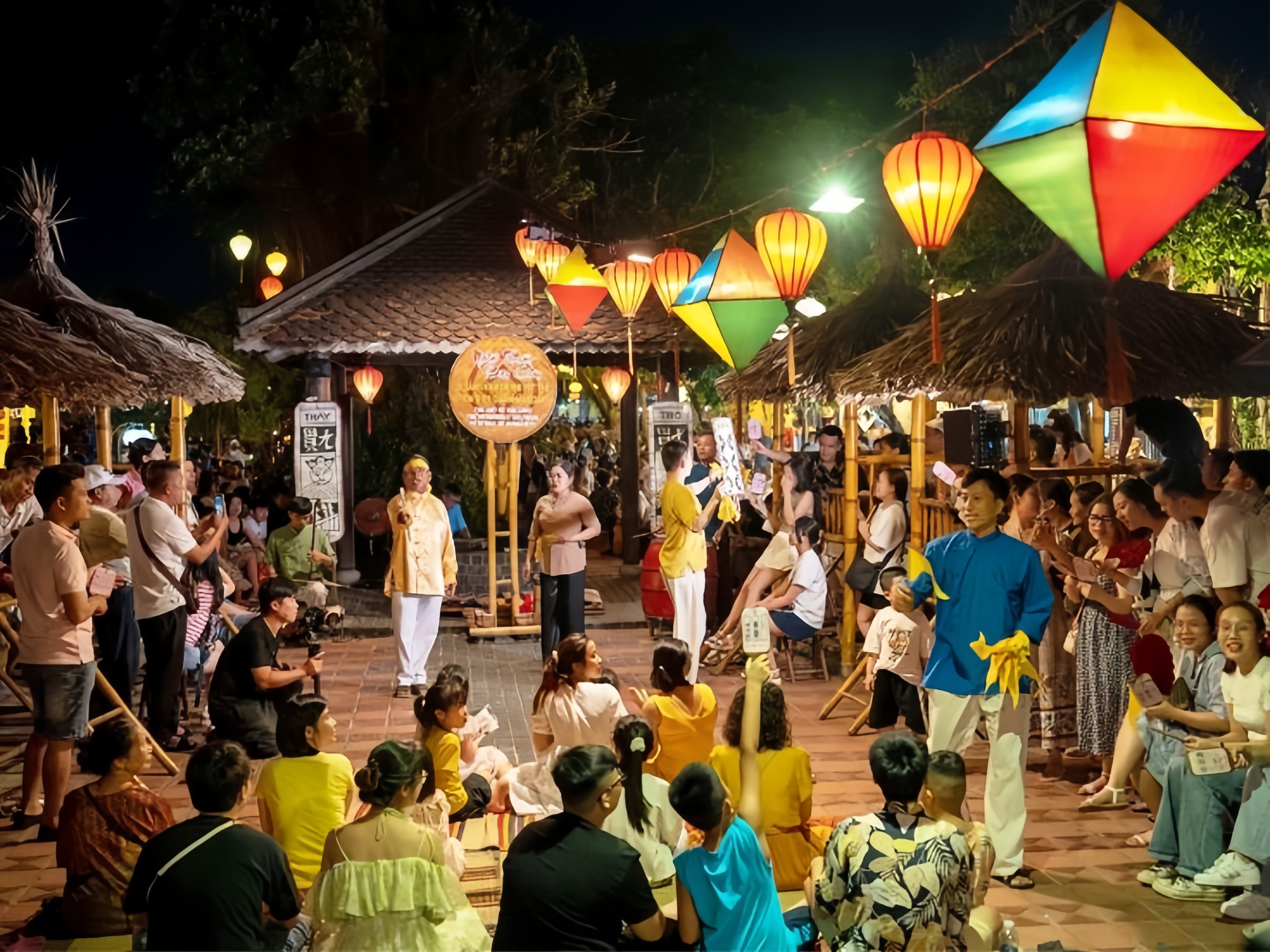
Through community-based tourism programs, locals are empowered to share their heritage with visitors, ensuring that cultural preservation also translates into economic opportunity. Folk performances, traditional festivals, and homestay experiences all contribute to keeping Hội An’s cultural spirit alive while fostering a sense of pride and ownership among residents.
Balancing Growth and Sustainability
With the rise in tourism, Hội An has taken proactive steps to balance visitor demand with the protection of its fragile urban fabric. The town has introduced initiatives such as pedestrian-only streets, eco-friendly transport, and comprehensive waste management systems. These measures not only enhance the visitor experience but also safeguard the living environment for local communities.
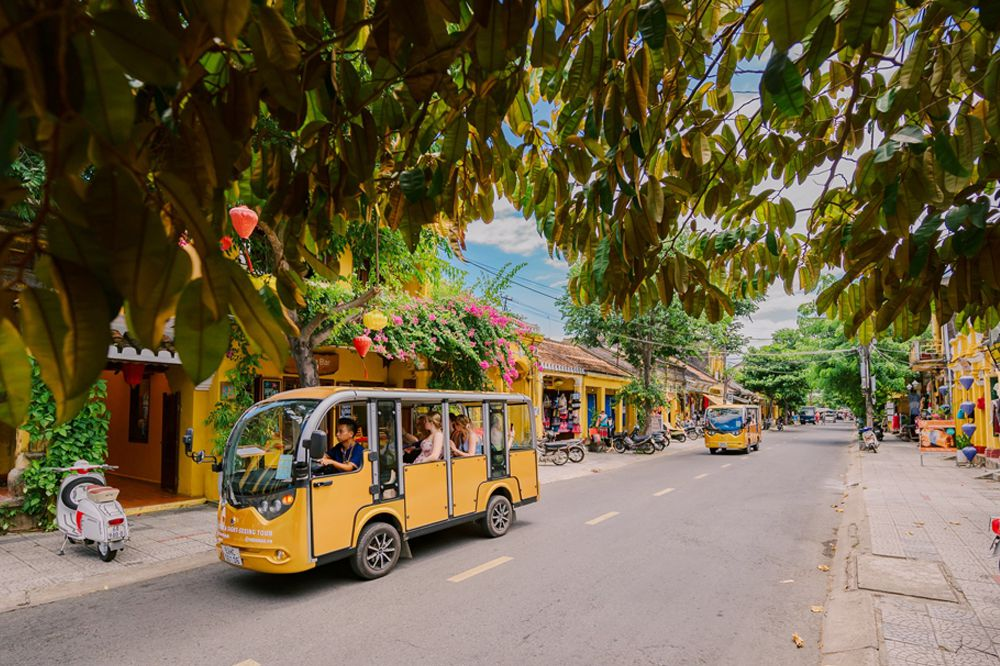
Hội An’s approach demonstrates that tourism development and cultural preservation can go hand in hand — when guided by thoughtful policies and community collaboration.
A Model for Heritage Tourism in Vietnam
Hội An’s journey offers valuable lessons for other heritage destinations across Vietnam. By aligning tourism growth with cultural stewardship, the town has created a sustainable model that both protects and revitalizes its identity.
Beyond its charming streets and timeless architecture, Hội An tells a deeper story — one of resilience, respect, and renewal. It stands today as an example of how heritage, when nurtured with care and foresight, can continue to inspire generations while contributing to a sustainable future for all.
 Australian Hospitality Alumni Network Vietnam