
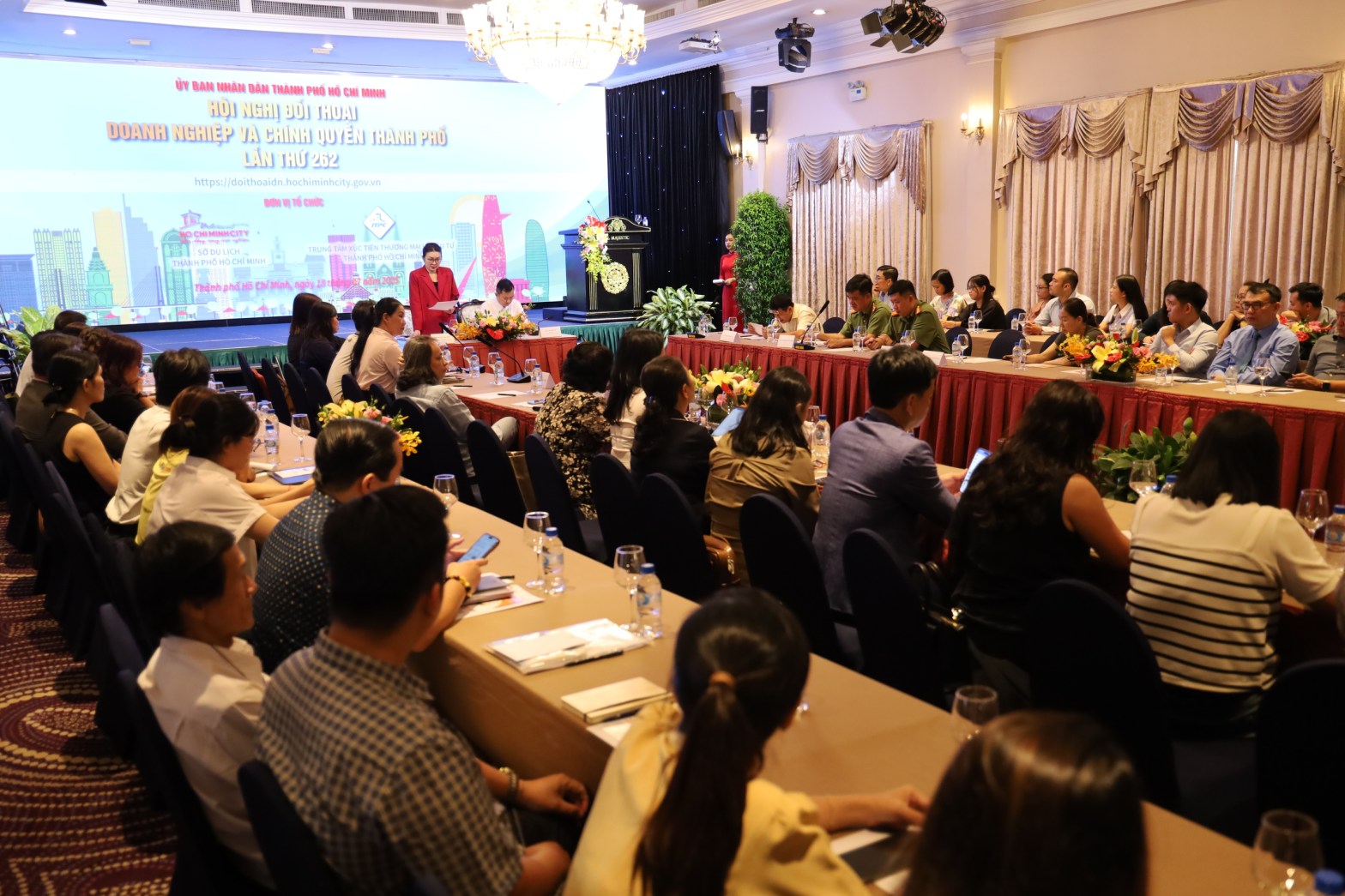
On July 18, during the “Tourism Business Dialogue with HCMC Authorities” organised by the HCMC Investment and Trade Promotion Centre (ITPC), tourism and hospitality businesses raised concerns about administrative procedures and regulatory difficulties following the city’s recent administrative boundary merger.
Legal Uncertainty and Lack of Regional Planning
Businesses called on authorities to provide guidance on updating legal documents, licenses, and accommodation ratings, which have become more complex since the merger. According to many, Ho Chi Minh City must urgently redefine its tourism structure and identify key tourism products to help businesses navigate new investment and development strategies.
Huỳnh Phan Phương Hoàng, Deputy CEO of Vietravel, noted that long-established destination brands such as “Vũng Tàu Beach,” “Củ Chi Tunnels,” and “Sông Bé Golf Tour” are now facing confusion due to name changes. She emphasised the lack of a regional master tourism plan for the expanded HCMC, making it difficult for tour operators to determine core products or marketing priorities.
Enterprises are also burdened with reprocessing legal documents, adjusting tax codes, and facing inconsistencies between old and new regional policies such as in tax incentives and tourism promotion schemes.
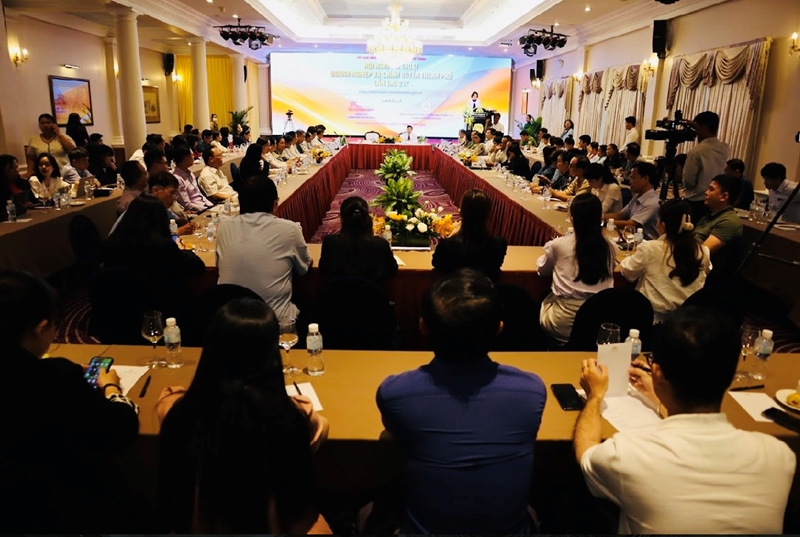
The HCMC Tourism Association proposed revisions to the Tourism Law, greater protection for consumers from travel voucher scams, and a new tourism development plan for 2026–2035. It also suggested piloting “sandbox” tourism zones in areas like Cần Giờ and Hồ Tràm, and building a unified brand identity for the expanded city.
Hoàng also recommended the formation of a Regional Tourism Coordination Council involving HCMC, Bình Dương, and former Bà Rịa–Vũng Tàu areas, to align product strategies, promotional mechanisms, and destination roles, while also fostering collaboration with neighbouring regions.
Infrastructural Gaps and Operational Barriers
Liêu Thị Mỹ Hạnh, Executive Director of Les Rives, highlighted the lack of public river ports in the city, despite her company operating 17 boats for river tourism. “We’ve invested in vessels, but there’s no place to dock,” she said, pointing to underutilised piers like Ba Son that remain idle despite strong tourism demand.
Other concerns raised included fake hotel fan pages harming brand trust, difficulties attracting international high-spending travellers, and the lack of trained personnel in tourism, hospitality, and F&B sectors.
500 New Tourist Spots to Be Announced
In response, Nguyễn Thị Thanh Thảo, Head of Tourism Resource Development at the HCMC Department of Tourism, announced that by the end of July, the city will unveil 500 new tourism sites as part of Phase 1 of a broader plan.
She added that the city’s tourism development strategy through 2030 will include a refreshed brand identity, product system, and core tourism values. Key focus areas include event tourism, river tourism, culture-based experiences, nighttime offerings, and ecological and community-based travel.
By October, a revised spatial plan aligned with natural resources will be submitted to guide green tourism investment. Policies to be proposed include incentives for tourism development, human resource training, low-interest loans, and support for festivals and cultural programmes.
 Australian Hospitality Alumni Network Vietnam