

Vietnam, 26 June 2025 – Vietnam’s coastal hospitality real estate sector is showing signs of a strong rebound after a period of stagnation, driven by a rise in international tourist arrivals and renewed interest from both domestic and foreign investors. In markets such as Nha Trang, Cam Ranh, Quy Nhơn, and Hồ Tràm, the landscape is evolving from standalone resort projects to integrated tourism ecosystems designed to meet the needs of modern travelers and long-term investors alike.
This new wave of development is not only focused on building more hotels, but also on diversifying the tourism experience. Across the country’s coastline, developers are rethinking destination design with projects that blend hospitality, entertainment, residential, and wellness components into cohesive communities. The shift reflects a growing demand for lifestyle-oriented travel where guests seek connection, convenience, and culture, all in one place.

International hotel groups have continued to expand their partnerships with Vietnamese developers, bringing operational expertise, global marketing networks, and branded experiences that help destinations tap into higher-spending, longer-stay visitors. These collaborations are contributing to the repositioning of Vietnam’s coastal cities as not just scenic getaways, but as vibrant lifestyle and tourism hubs.
Local authorities have also stepped-up efforts to facilitate tourism real estate growth by improving transport infrastructure, promoting investment incentives, and aligning land use policies with long-term tourism goals. This public-private coordination is crucial for ensuring that emerging coastal projects meet the standards expected by global travelers and investors.
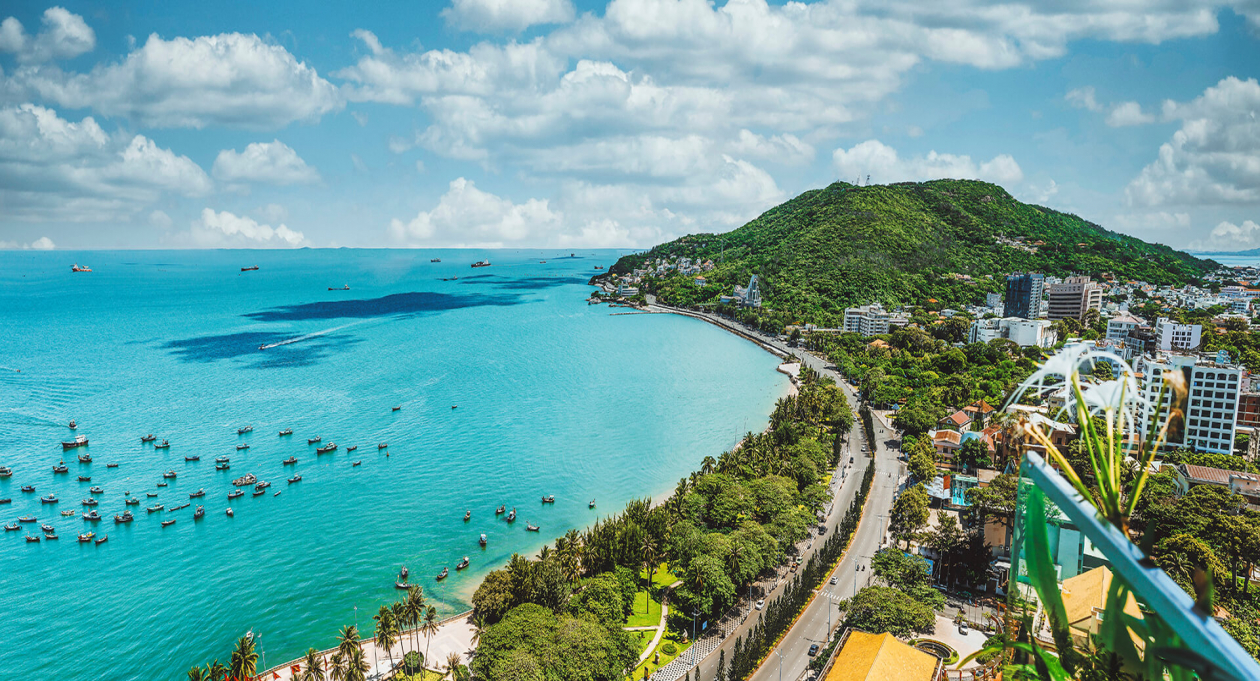
More importantly, developers are also responding to shifting traveler preferences. There’s a growing emphasis on design-forward properties that offer immersive experiences; from wellness-focused resorts to integrated marina villages and beachfront communities that support events, dining, and creative spaces. In places like Bình Định and Phú Quốc, large-scale projects are being planned not just with tourists in mind, but as destinations that appeal to second-home buyers, digital nomads, and high-net-worth individuals looking for value, lifestyle, and return on investment.
The coastal hospitality real estate segment is drawing increasing interest as infrastructure projects progress and development plans are implemented across key provinces. Continued monitoring of policy, investment patterns, and tourism flows will help determine how this segment evolves in alignment with broader economic and urban development goals.
 Australian Hospitality Alumni Network Vietnam