
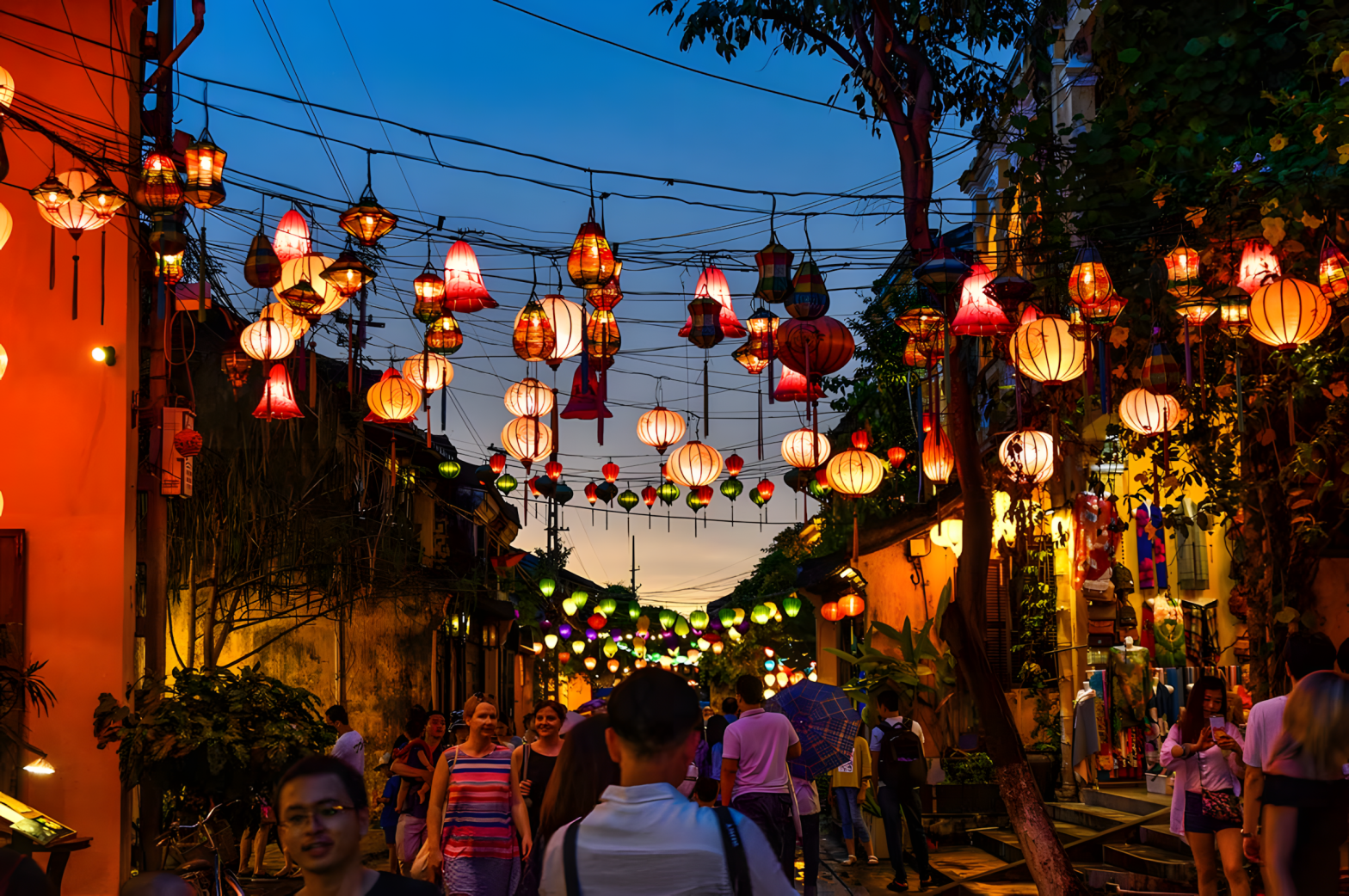
Vietnam, 21 May 2025 – Night markets has long been an icon in Vietnam — bustling with food stalls, souvenirs, and neon-lit alleys. But today, they’re becoming something more. Across the country, night markets are evolving into creative, cultural spaces where tradition meets innovation. From exploring local crafts to catching pop-up performances, night markets are now immersive stages for Vietnam’s living identity.
Night Markets as Urban Culture Hubs
Traditionally known for rows of food carts and souvenir stalls, Vietnam’s night markets are now transforming into lively cultural venues. Across the country, visitors can discover more than just goods to purchase. These markets offer experiences. On any evening, you might come across street dance performances, pop-up art installations, or youth orchestras playing folk melodies beneath lantern-lit skies.
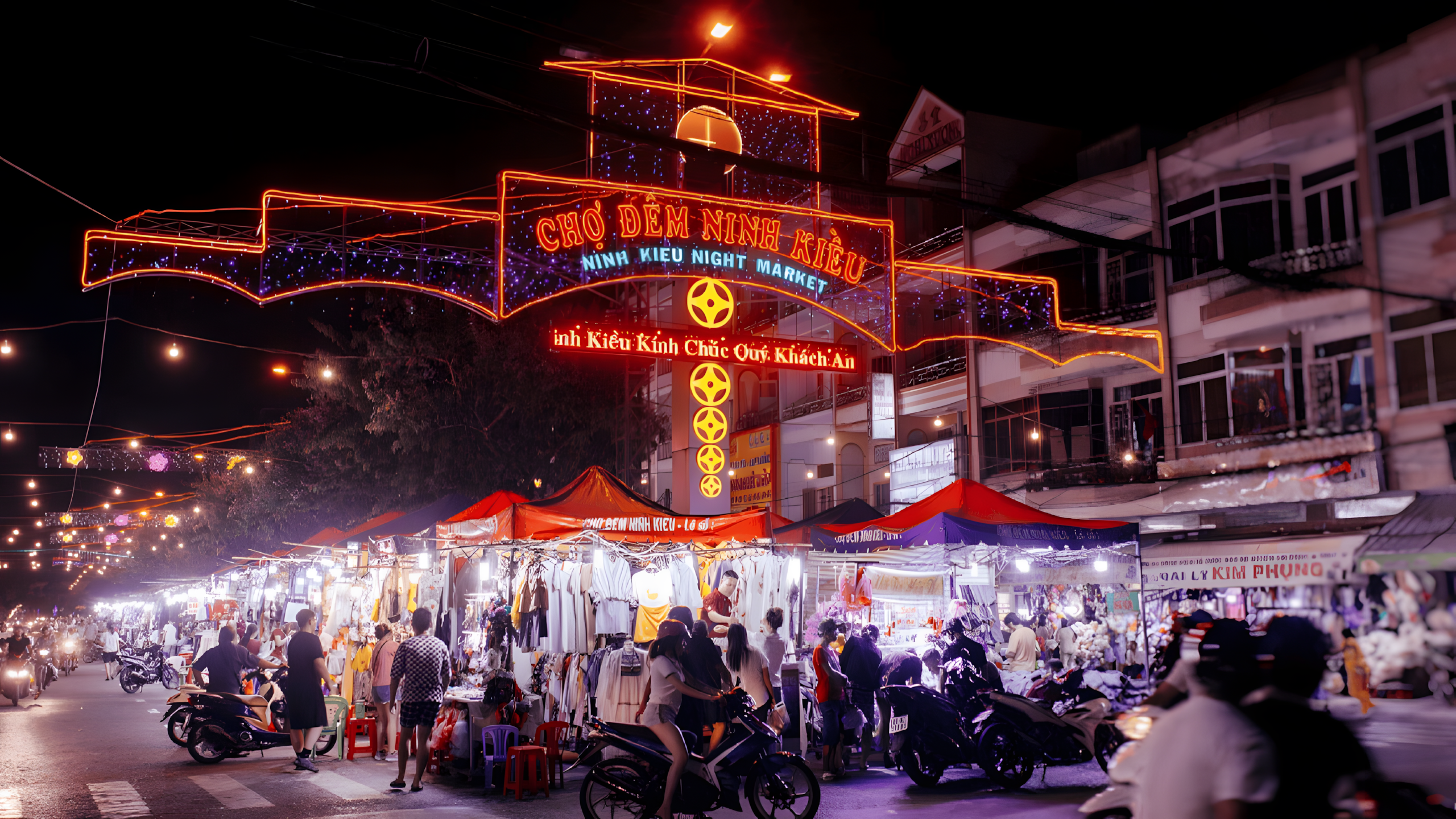
In Đà Nẵng, the riverside night market has introduced curated activities like calligraphy corners and interactive photo zones inspired by local heritage. Huế’s night scene, long admired for its gentle pace, now features lantern-making workshops alongside áo dài exhibitions that showcase both classic royal designs and contemporary reinterpretations, bridging past and present. Cần Thơ’s Tây Đô night market blends traditional cải lương theatre with acoustic music nights, creating spaces where generations connect through culture. In Hà Nội, markets like Đồng Xuân and weekend Old Quarter zones host storytelling corners and cultural performances where locals and travelers gather to share not just space but stories.
As these developments unfold, the lines between marketplace, cultural venue, and public square beautifully blur. Night markets are no longer mere backdrops for transactions; they now serve as open-air reflections of local life, telling the city’s story visually, musically, and communally. And people of all ages are tuning in.
Where Past and Present Collide
One of the most quietly compelling aspects of Vietnam’s night markets is how they blend continuity with reinvention. In some corners, stalls remain nearly unchanged, with enamel kitchenware stacked on worn wooden shelves and hand-painted signs faded by time, offering a lived-in authenticity that feels effortless. Elsewhere, younger vendors intentionally revive retro styles, creating cassette-themed trinkets, vintage-inspired bags, or layouts that echo old Vietnamese homes. Whether preserved or reimagined, these elements come together to form a nostalgic yet contemporary atmosphere, where the past is not just remembered but part of the present moment.
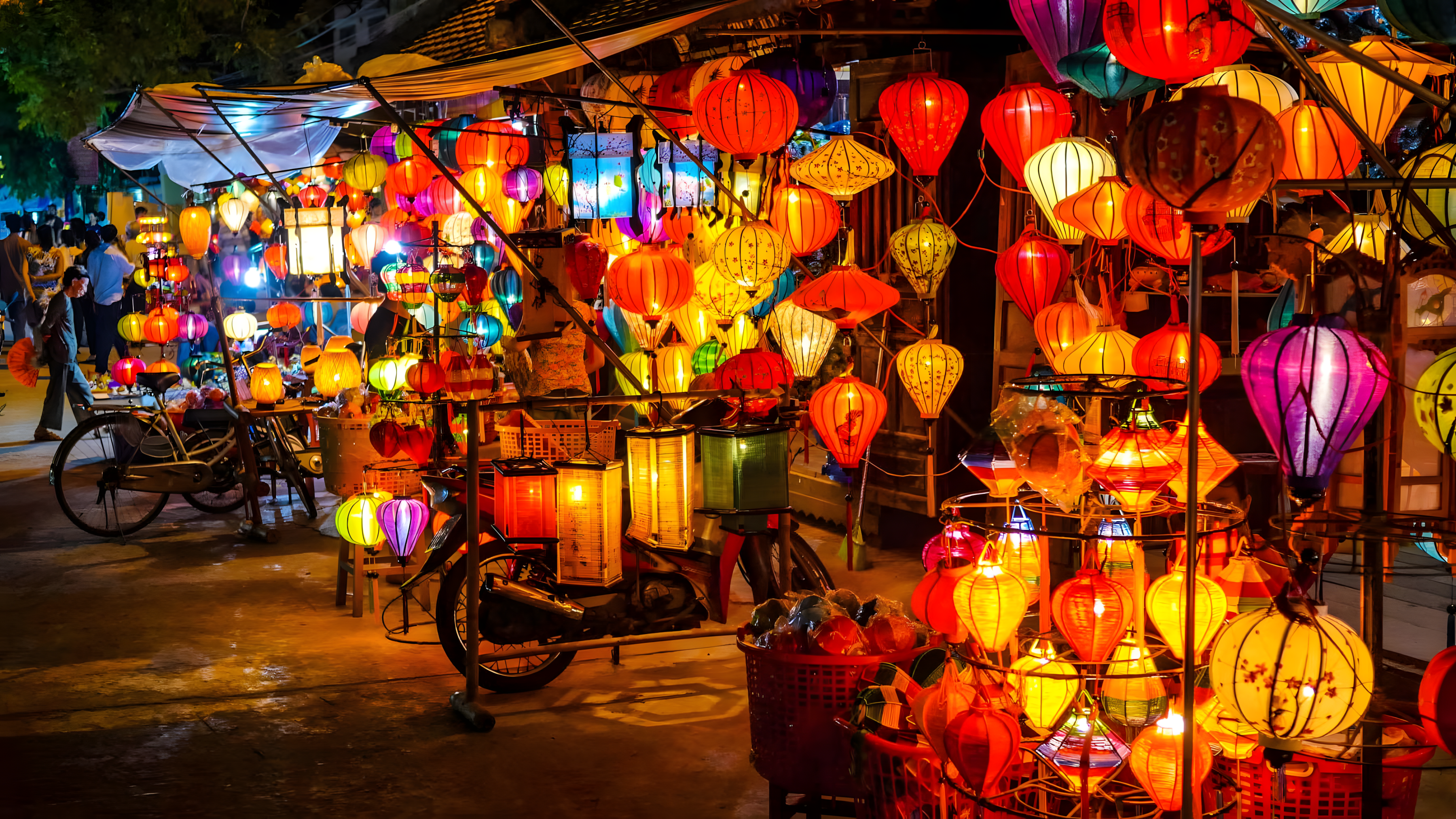
Travelers today seek meaningful souvenirs with stories. Instead of flashy, mass-produced items, many are drawn to enamel kitchenware reminiscent of old Vietnamese homes, handwoven bags crafted by local artisans, or cassette tape-themed trinkets that evoke a pre-digital era. These items carry emotional weight and cultural texture, offering more personal connections than typical souvenirs.
The overall ambiance of these markets reinforces this feeling. Soft, ambient lighting sets a calm, inviting mood. Traditional typography, carefully arranged displays, and the repurposing of old furniture lend a quiet charm. Within these spaces, the market becomes a moment suspended in time, a place where past and present coexist harmoniously.
A Living Tapestry of Culture
Vietnam’s night markets are emerging as creative playgrounds. More than places for vendors and shoppers, they have become vibrant platforms for cultural expression. Instead of formal stages, these markets often feature roaming musicians, traditional craft demonstrations, or small-scale performances tucked between stalls. You might hear a đàn tranh echo from a quiet corner or stumble upon a vendor who doubles as a folk singer, adding a layer of surprise and intimacy to the atmosphere.
Adding to the excitement are rotating pop-up booths. For example, a young chef might offer a reimagined bánh xèo with new flavors one week, while a youth-led eco-craft corner appears the next. These ever-changing stalls keep the market experience fresh, encouraging visitors to return with curiosity and conversation.
At the heart of this shift is participation. Tourists and locals alike can join in traditional folk games, write wishes on lanterns, or attend mini cooking workshops led by vendors. These interactive moments deepen connections, turning a simple stroll into lasting cultural memories.
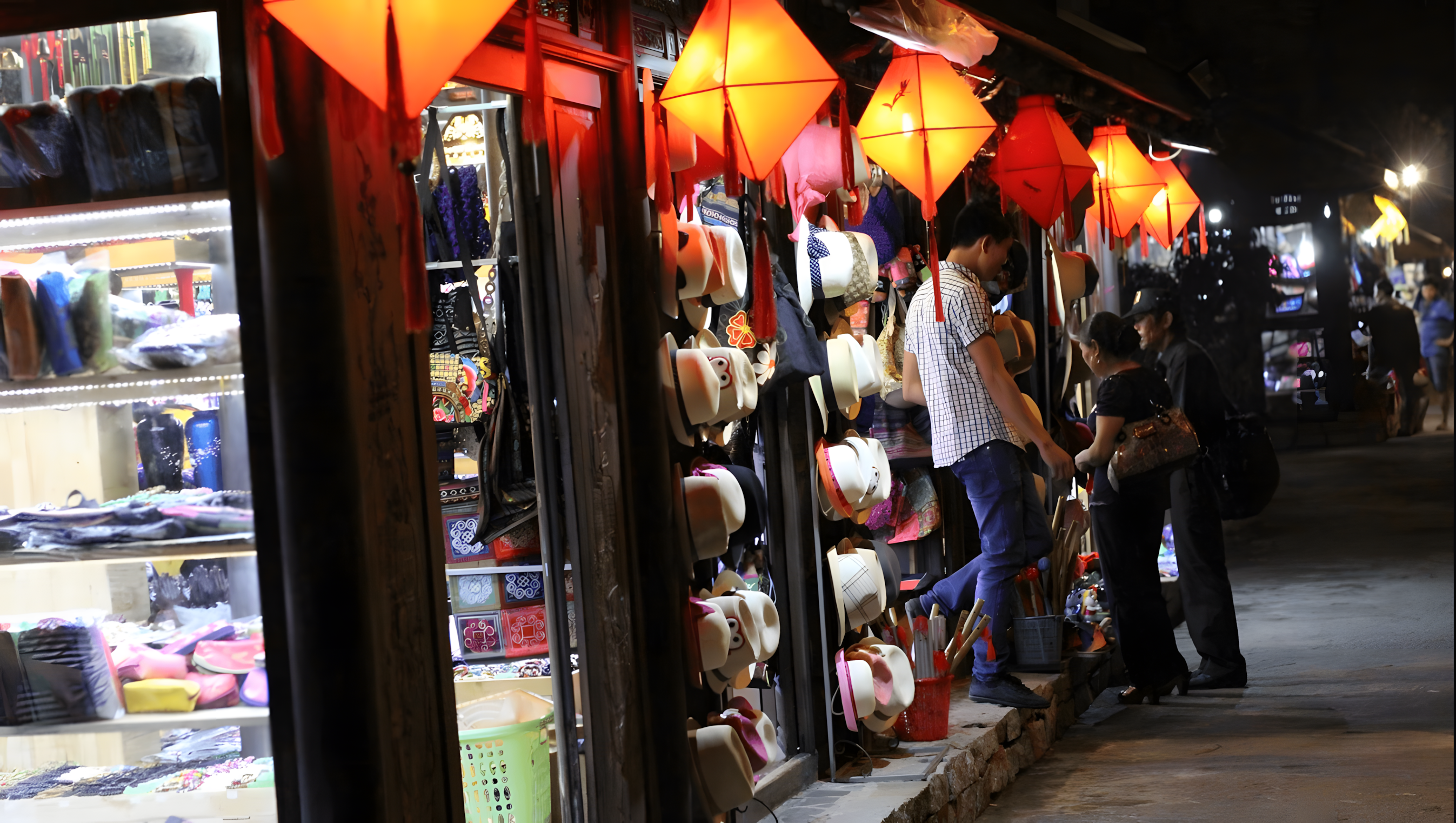
Night markets in Vietnam are no longer just evening outings; they’ve grown into communal spaces where tradition is reimagined and creativity pulses under soft lights. Within a single night, a visitor might taste a centuries-old dish, try weaving on a small loom, or spot a young artist painting portraits inspired by local legends. These layered experiences capture something deeper: Vietnam’s ability to celebrate the old while embracing the new.
Whether nestled beside a quiet river in the Mekong Delta or tucked into a buzzing alleyway in the heart of Hanoi, each market reflects the rhythms, textures, and spirit of its place. And in doing so, they offer something more lasting than souvenirs — they offer a memory, shaped by interaction, emotion, and the vibrant pulse of culture in motion.
 Australian Hospitality Alumni Network Vietnam