
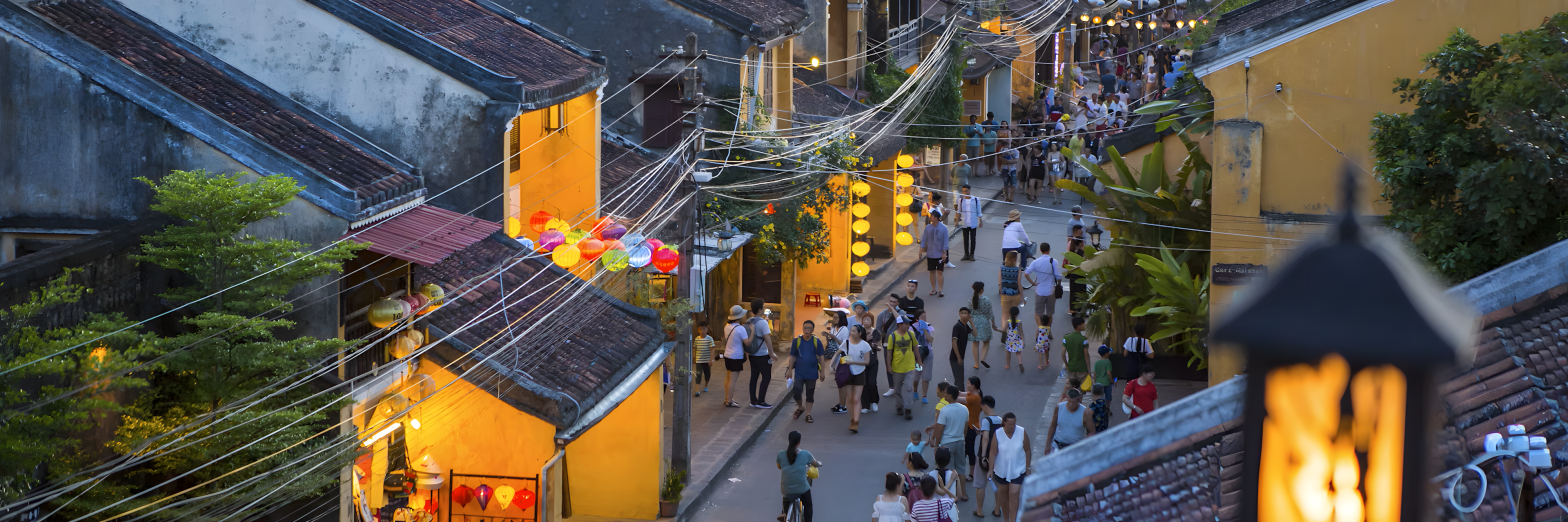
Vietnam, 19 May 2025 – Across Vietnam, a new kind of tourism is emerging. It’s not driven by the search for the newest or flashiest, but by something more emotional: a longing for the past. From retro cafés in Đà Lạt to memory-themed exhibitions that blend old photos, handwritten letters, and vintage soundtracks, nostalgia is no longer just a feeling. It’s a cultural lens, a design language, and for many young people, a reason to travel.
The Look of Nostalgia
In the age of curated feeds and digital storytelling, Gen Z travelers are not just documenting their trips — they’re crafting immersive visual experiences. On TikTok, Instagram, and YouTube, a distinct vintage aesthetic has quietly shaped how Vietnam is seen and shared online. It is not the high-gloss, postcard-perfect imagery of old tourism campaigns. Instead, it is soft, grainy, and emotionally evocative.
This visual style leans on retro design cues: yellowed film tones, 4:3 video frames, flickering text overlays, and clothing inspired by decades past, from 1970s silhouettes to early 90s Vietnamese school uniforms. Handwritten signage, ceramic cups, worn storefronts, and old bikes serve as intentional backdrops not for trendiness, but for the quiet feeling they evoke. These choices aren’t just aesthetic. They reflect a desire for mood, memory, and emotional texture.
Where the Past Becomes the Experience
Some of Vietnam’s most beloved destinations are not just famous for what they offer visually, but for how they make people feel. These are places where history is not only preserved, but actively lived, where memory becomes part of the atmosphere, and nostalgia is woven into the journey.
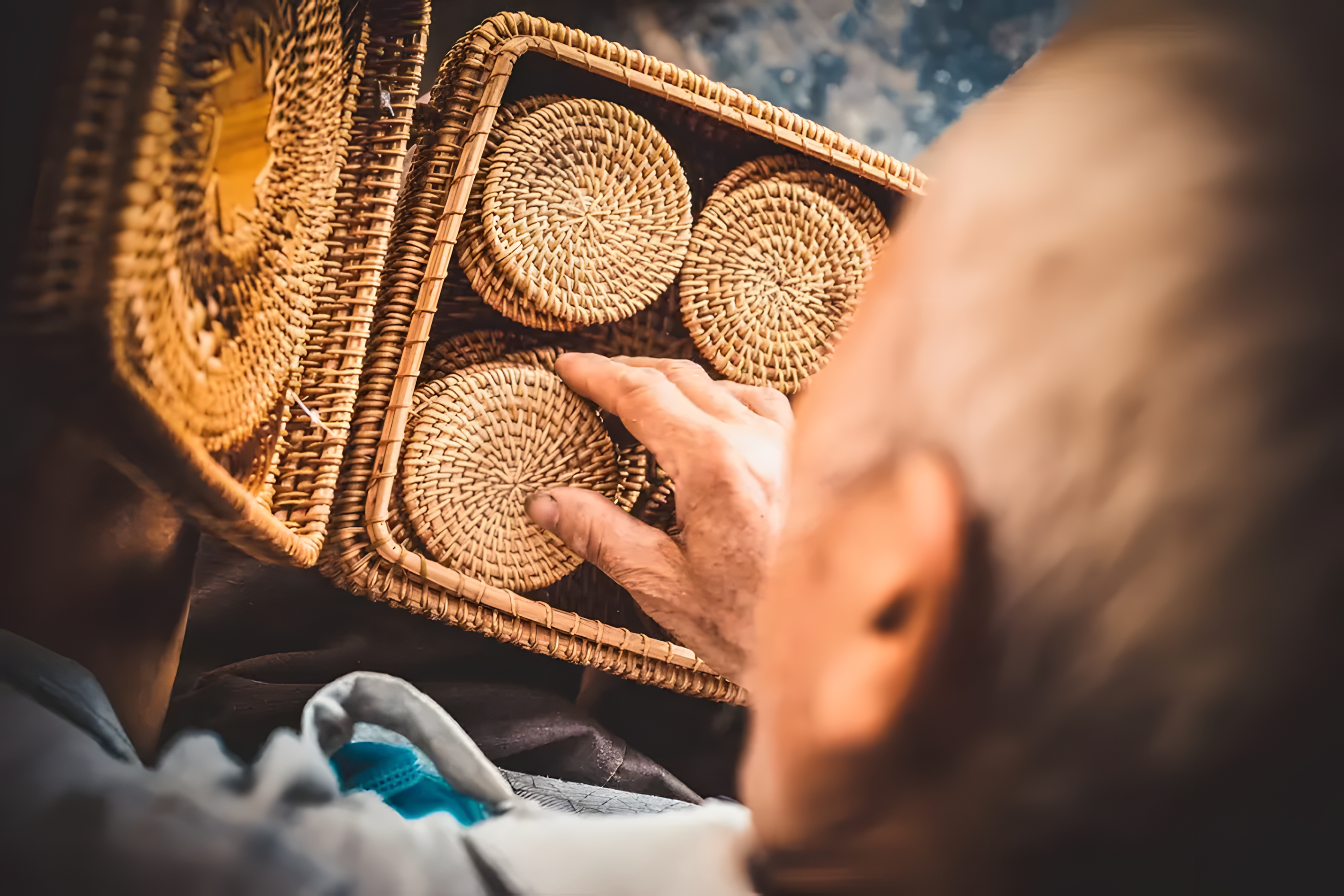
In Phú Vinh, a traditional craft village on the outskirts of Hanoi, travelers step into a slower rhythm of life. Known for its generations of skilled bamboo and rattan weavers, the village exudes a quiet, lived-in charm, from wooden ancestral houses to old tools still in use. Visitors come not only to shop for handmade goods, but to witness techniques passed down for centuries, and to feel a kind of authenticity that resists the modern rush. Here, heritage isn’t showcased, it’s simply part of daily life.
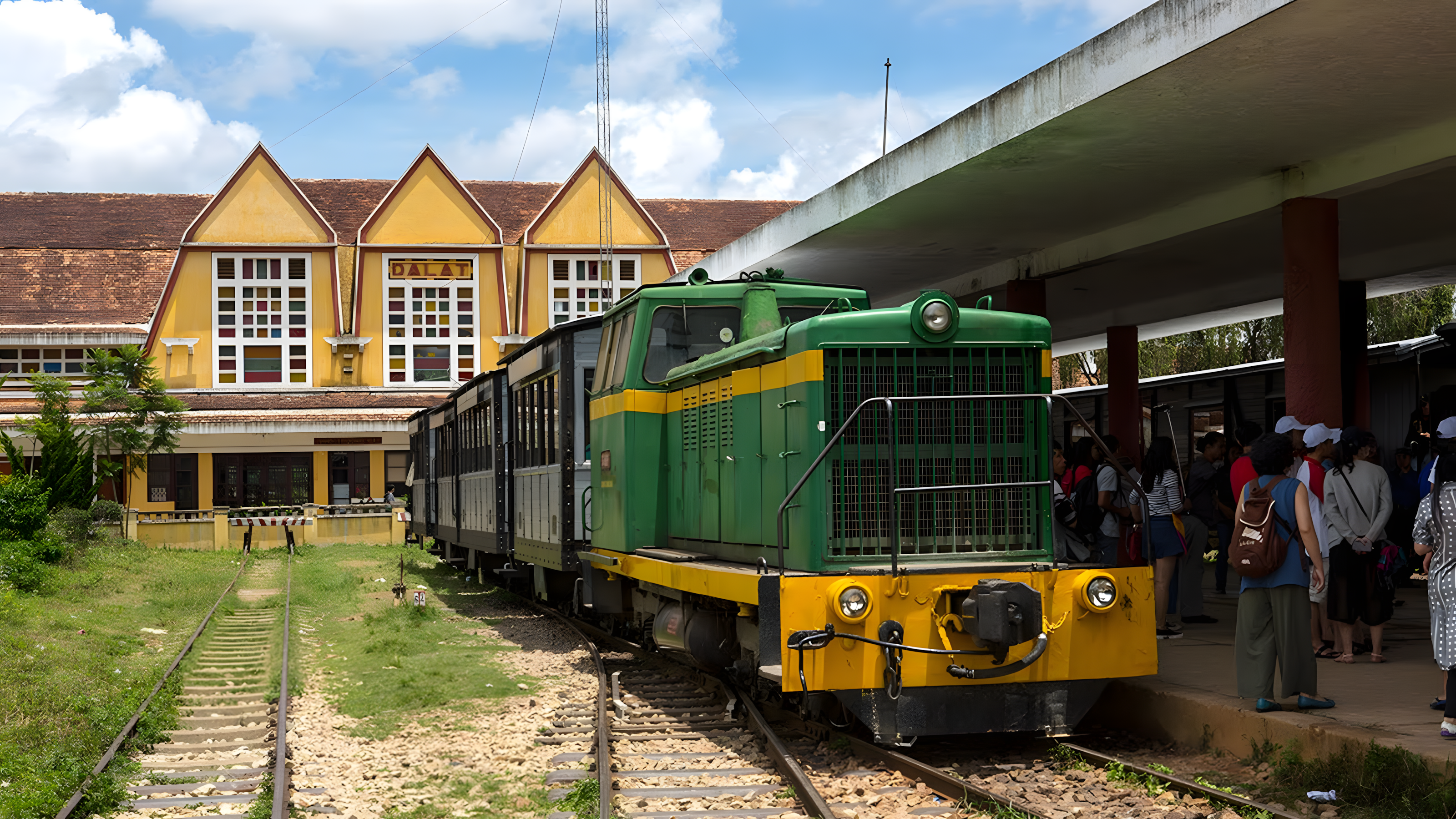
Up in the Central Highlands, Đà Lạt carries a different kind of nostalgia. Its misty pine forests and French-era villas recall colonial echoes, but the city has reinterpreted its past through soft, dreamy aesthetics. Old train stations, glasshouses, and European-style cafés sit in harmony with the cool mountain air, creating a mood that feels both cinematic and strangely personal. It’s a favorite escape for young travelers seeking ambiance, something to feel, not just photograph.
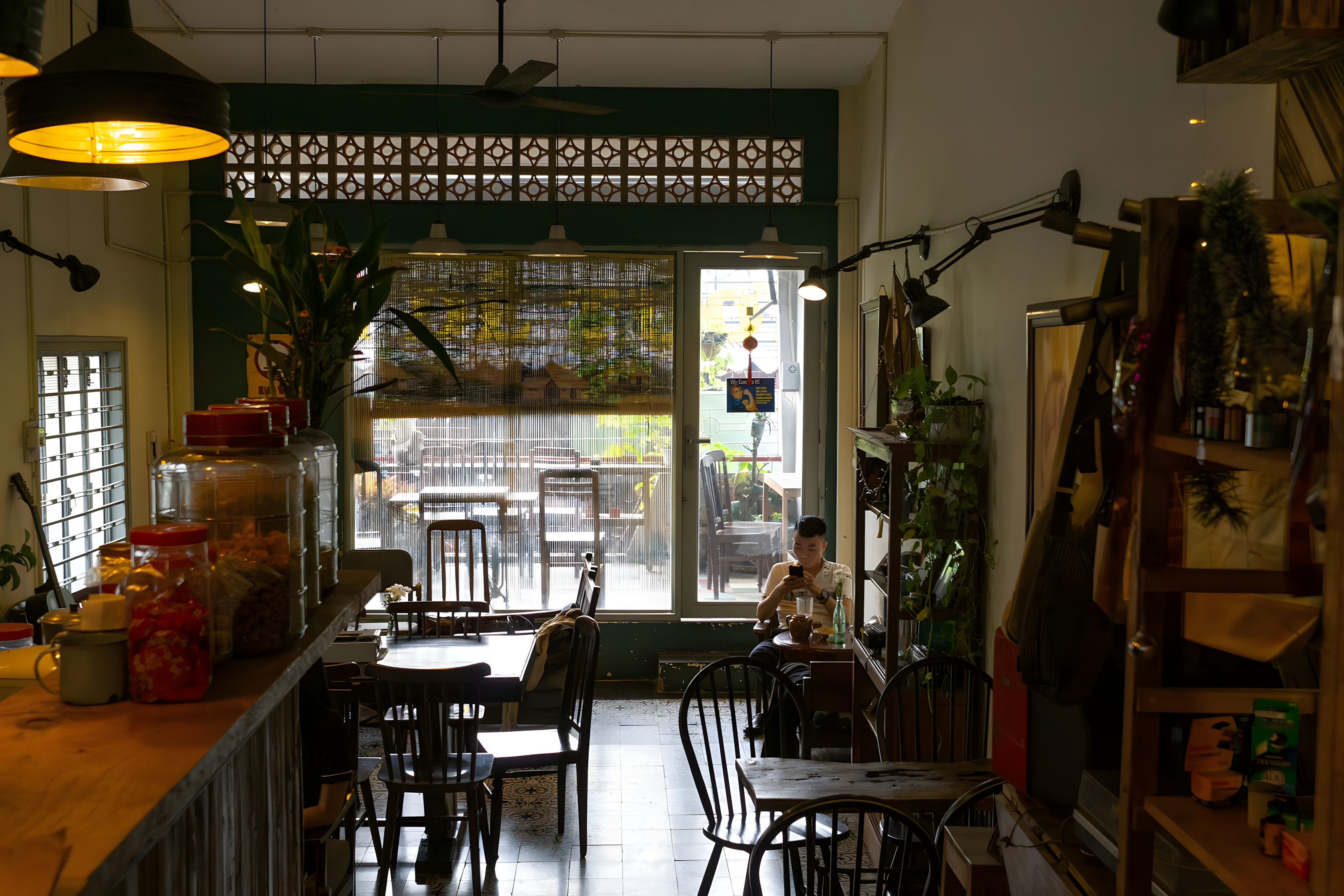
Meanwhile, in Saigon, nostalgia lingers not only in curated cafés but in the quiet corners of everyday life. Old apartment buildings tucked into alleys of District 1 and District 3 still hold onto the rhythms of past decades with iron-grilled balconies, faded stairwells, and handwritten room numbers that haven’t changed in years. In Chợ Lớn, the city’s historic Chinatown, temples, shophouses, and traditional markets preserve layers of cultural memory that stretch far beyond the surface. These spaces are less about visual performance and more about atmosphere — places where time feels slowed and stories remain embedded in the walls.
In these destinations, travel becomes less about checking off attractions and more about emotional immersion. Visitors come to experience the past as a mood, a tone, a texture, something they carry home with them. It is not just sightseeing. It is time travel, through feeling.
Longing for a Vietnam They Never Knew
What makes this connection to the past especially intriguing is that it often belongs to a time Gen Z never lived through. Their nostalgia is imagined, shaped by secondhand stories, old songs, and curated imagery that portray a slower, softer Vietnam.
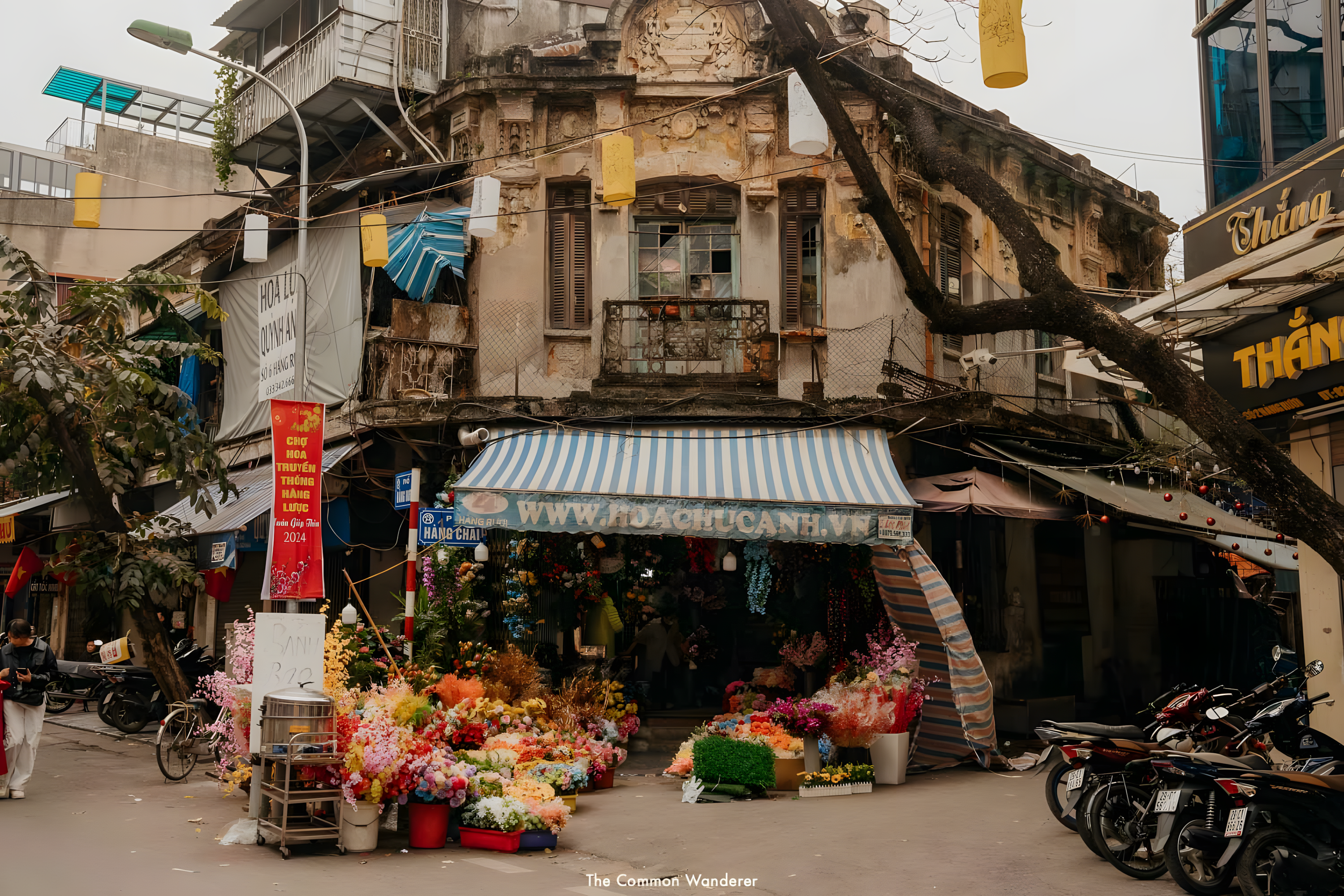
This longing is both curiosity and a form of emotional self-preservation. In a world overwhelmed by speed, distraction, and digital fatigue, Gen Z increasingly craves stillness, and nostalgia offers that pause. The past becomes a place to retreat to, curated through color, sound, and memory. It offers emotional grounding and a sense of continuity in a society that is rapidly evolving. By embracing these retro atmospheres and aesthetics, young travelers are not just romanticizing history, they are reclaiming a sense of identity, rooted in emotion and imagination. For many, that imagined Vietnam is not just a destination, it’s a feeling of home they didn’t know they were missing.
Beyond the Filter
As nostalgia becomes more central to Vietnam’s tourism scene, it’s important to reflect on how it’s used and where it can go wrong. While nostalgic experiences can offer comfort and emotional depth, they also risk turning history into aesthetic shorthand. A surge in retro-themed cafés or heritage-inspired homestays may attract attention, but if not handled with care, they can reduce complex cultural stories into decorative trends. In places that go viral, overtourism, inflated prices, or the dilution of local identity can follow, especially when experiences are designed more for photos than for understanding. To avoid this, nostalgia must be treated not just as a visual style but as a storytelling responsibility. This means preserving context, engaging with real histories, and designing tourism that deepens emotional connection without simplifying the past. When memory is honored thoughtfully, it can offer not just a glimpse backward — but a meaningful way forward.
 Australian Hospitality Alumni Network Vietnam