
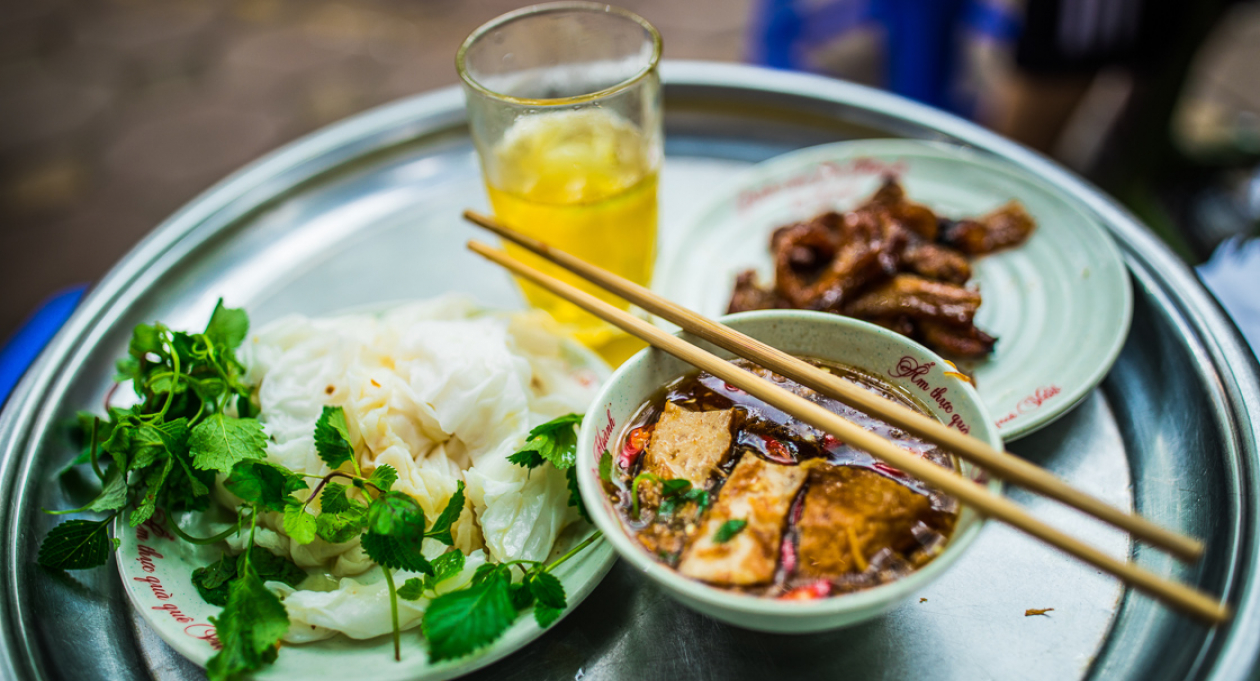
Vietnam, 16 May 2025 – Forget passport stamps. Today, all it takes is one swipe on TikTok to find yourself in a Vietnamese alley, watching scallion oil sizzle over bánh tráng nướng. Vietnamese food isn’t just served on street corners; it’s streamed, shared, and savored by millions around the world through their phones and feeds. As travel content becomes increasingly visual and personal, Vietnamese cuisine has emerged as a subtle but powerful form of cultural soft power, shaping perceptions of Vietnam long before visitors arrive.
The Rise of Vietnamese Food on Social Media
Vietnamese food has found a vibrant new stage on platforms like TikTok, YouTube, and Instagram, where dishes once seen as humble or local now draw millions of views. The internet is filled with videos showcasing sizzling phở served on stone plates, frothy egg coffee poured with care, and bánh mì dipped into condensed milk, a quirky trend that caught the attention of curious food lovers worldwide. Content creators and food review channels such as Trevor James (The Food Ranger), Corrin Carlson (Author at Chao Hanoi) and TikToker @willinvietnam have built sizable local and regional audiences by presenting these dishes with humor, warmth, and an appetite for mouthwatering detail. Their work connects deeply not only with Vietnamese viewers but also with global audiences hungry for genuine and engaging food experiences. Vietnamese cuisine has evolved from comfort food to digital content gold, transforming how the world discovers and appreciates Vietnam.
Why Food Content Resonates Globally
A major reason Vietnamese food content captivates so widely is its vivid sensory appeal. The crackling of bánh xèo batter hitting a hot pan, the rich steam rising from a bowl of bún bò Huế, and close-ups of colorful herbs and sauces invite viewers to taste through their screens. These sensory-rich visuals create instantly shareable moments.

More than just sights and sounds, food videos evoke strong emotions. Watching someone try a dish for the first time, react with surprise, or share a quiet meal in a bustling street corner often reminds viewers of their own food memories, whether it’s traveling abroad, missing home, or simply connecting over a good meal. These dishes embody more than nourishment; they carry stories of identity and heritage that resonate beyond borders.
Most importantly, food content feels accessible and relatable. Eating is universal. This authenticity fosters trust and curiosity, inviting audiences to explore Vietnamese cuisine and culture emotionally and intimately.
Food as a Gateway to Culture
Food often serves as the most approachable entry point into Vietnam’s rich cultural tapestry. A viewer might start by watching bún riêu prepared on a busy street, only to grow curious about the local dialect, the origins of crab paste, or the history behind the dish. These everyday meals naturally introduce audiences to language, customs, market life, and regional diversity in a way that feels immediate and personal.

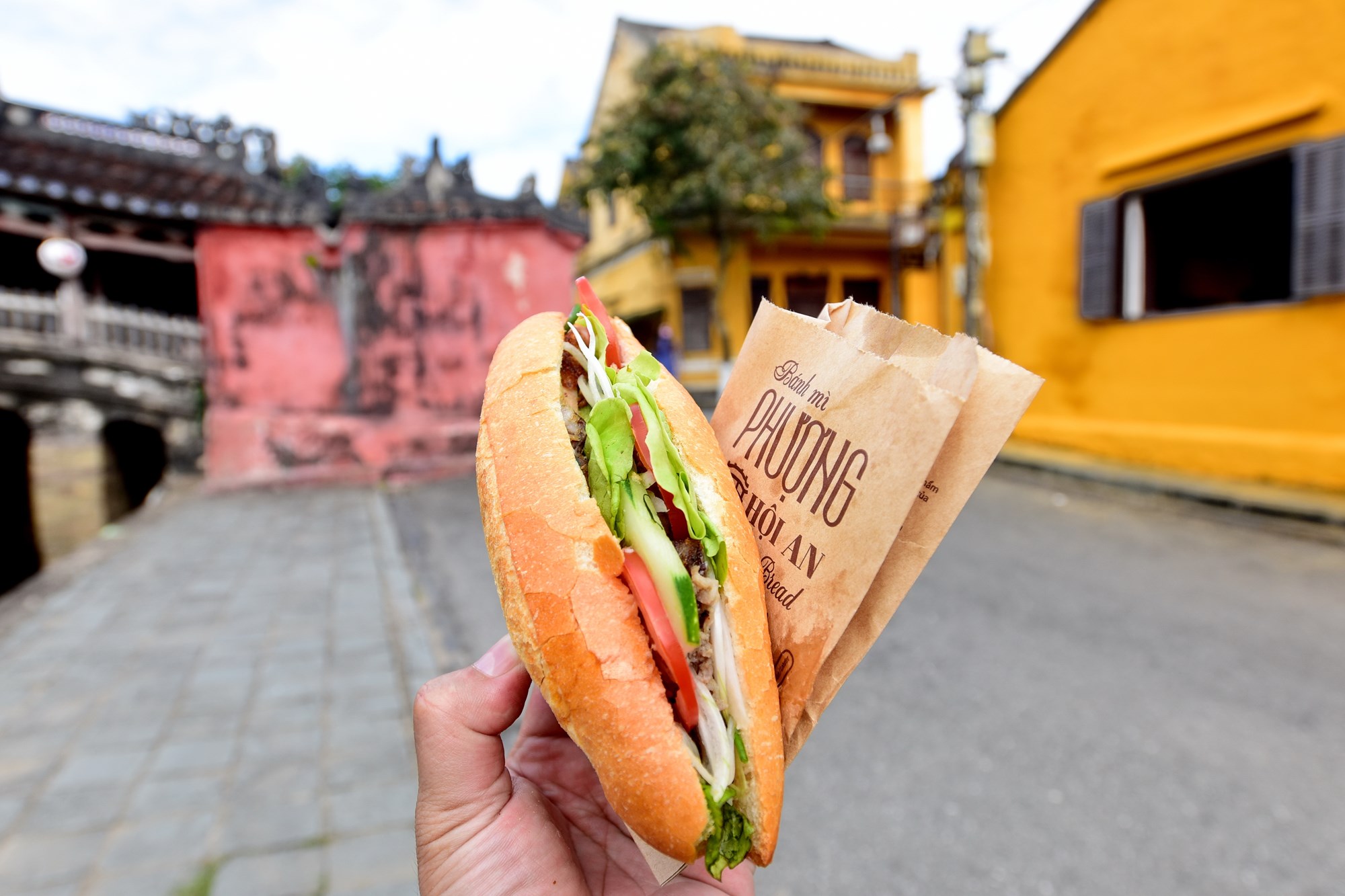

Many travelers credit food videos as their first spark of interest in Vietnam. Whether it was a foreign vlogger savoring phở on a misty Hanoi morning or a vendor preparing chè beneath Hội An’s lantern glow, these intimate scenes create emotional ties before a single plane ticket is booked. Tourists now flock to specific restaurants, stalls, and markets not because they appear in guidebooks but because they’ve gone viral. Iconic spots like Bánh Mì Huỳnh Hoa in Saigon or Hội An’s night market have become unofficial landmarks, proving the profound influence of food content on real-world travel decisions.
Branding Vietnam Through Taste
Vietnamese food has emerged as one of the nation’s most effective cultural ambassadors. Beyond culinary delight, it represents values that resonate globally—humility, warmth, bold flavors, and community spirit. A simple meal shared on plastic stools or crafted by a vendor who knows every regular by name embodies an atmosphere of openness and connection words alone cannot convey.

Yet, viral fame carries challenges. Internet popularity can bring overtourism, rising prices, and the risk of losing authenticity to once-modest eateries or markets. There’s also a danger of oversimplifying Vietnam’s rich regional culinary traditions, potentially distorting the country’s image. To navigate these challenges, Vietnam may benefit from fostering a culture of mindful storytelling, one that honors local context while embracing global curiosity.
As food continues to shape how Vietnam is seen on the global stage, the next step may lie in how this influence is nurtured and guided. With so much cultural value riding on everyday meals, how can Vietnam continue to share its culinary story without losing the richness behind each dish? Could this digital appetite for Vietnamese cuisine open doors to deeper cultural exchange, regional storytelling, or even new forms of heritage preservation?
 Australian Hospitality Alumni Network Vietnam