

Vietnam, 13 May 2025 – Under the government’s proposal, authorities plan to “reduce the number of provinces from 63 to 34”, pending approval from the Central Committee and the National Assembly. This move has sparked a range of emotions within the tourism sector – a blend of anxieties and hopeful anticipation. Many provinces have been drafting specific plans to retain historically significant and tourism-related place names
Naming and Identity Concerns in Tourism
For the tourism industry, potential mergers of regions brought significant worries. According to Mr. Pham Anh Vu, Deputy General Director of Du Lich Viet, losing familiar place names could hinder tourism promotion, prompting agencies to revise tour programs and partner agreements.
Another challenge arose when regions with vastly different characteristics were merged. For example, combining Lam Dong, known for its cool, mountainous terrain, with Binh Thuan, which had a hot, dry climate and coastal tourism, could have created difficulties. According to the CEO of AZA Travel, such contrasts might have hindered unified management, coherent brand promotion, and the coordination of tourism development strategies.

Mr. Nguyen Tuan Anh, a public policy expert from Fulbright University, emphasized that the alteration or disappearance of historically, culturally, and tourism-significant place names from the administrative map was a key issue. This not only threatened local identity but also impacted tourism brand recognition and the collective memory of the people. The three primary fears associated with losing tourism place names were the gradual erosion of historical value and local identity tied to the old names, particularly for younger generations; potential repercussions for the tourism industry as renowned destinations were renamed; and the possible negative impact on tourist sentiment and destination recognition. He argued that administrative names functioned as vital tourism brands, attracting both domestic and international visitors. The absence or alteration of familiar names could have left tourists struggling to find information about cherished locations.
Preserving Tourism Brands Through Communication
Mr. Nguyen Cong Hoan, General Director of Flamingo Redtours, offered a contrasting perspective, suggesting that mergers might not have significantly hindered tourism. “Tourism is interdisciplinary and inter-regional, not confined by administrative boundaries,” he asserted. He argued that landmarks like Cat Ba National Park or Hoan Kiem Lake maintained recognition regardless of province.



Several experts emphasized that effective communication had been crucial in preserving tourist recognition after mergers. Mr. Hoan noted that iconic places such as Cat Ba National Park and the One Pillar Pagoda retained their appeal regardless of provincial changes, provided there was consistent promotional continuity. Echoing this view, Mr. Nguyen Tien Dat, Chairman of the Hanoi Tourism Association, stated that names like Mui Ne and Da Lat needed to be featured prominently in marketing efforts to maintain their established reputations. Mr. Pham Anh Vu of Du Lich Viet also believed that unfamiliar or newly formed destinations could eventually become recognized through sustained and coordinated communication strategies.
Solutions and Strategic Opportunities in Renaming

Mr. Nguyen Tuan Anh proposed solutions to preserve historical and cultural value and tourism brands, such as implementing dual naming conventions or incorporating the old place name into the new administrative unit (e.g., “Sa Pa – Muong Khuong District”). He also suggested that authorities maintain signage, historical records, and organize events to ensure the continued recognition of older place names.
However, Mr. Tuan Anh also highlighted potential advantages of new destination names. Renaming could have facilitated the creation of a fresh image more aligned with a region’s development strategy. In many cases, older names might no longer have accurately represented a region’s current status and potential. A new name could have assisted in rebranding and pursuing a distinct development path.
Furthermore, renaming could have simplified administrative systems, streamlining management and economic transactions. New names could have reflected the unification and solidarity of communities and may have been accompanied by stronger development policies from both central and local authorities.
“Before any name changes, it was essential to consult with the community, historical experts, and cultural researchers to avoid disputes,” Mr. Tuan Anh advised, adding that policies regarding administrative unit mergers needed to be adaptable to each specific locality.
New Tourism Potential and Industry Adaptation
According to the Chairman of the Hanoi Tourism Association, administrative unit mergers presented new opportunities, such as the development of inter-provincial tour routes, breaking down the limitations of tourism within individual provinces.
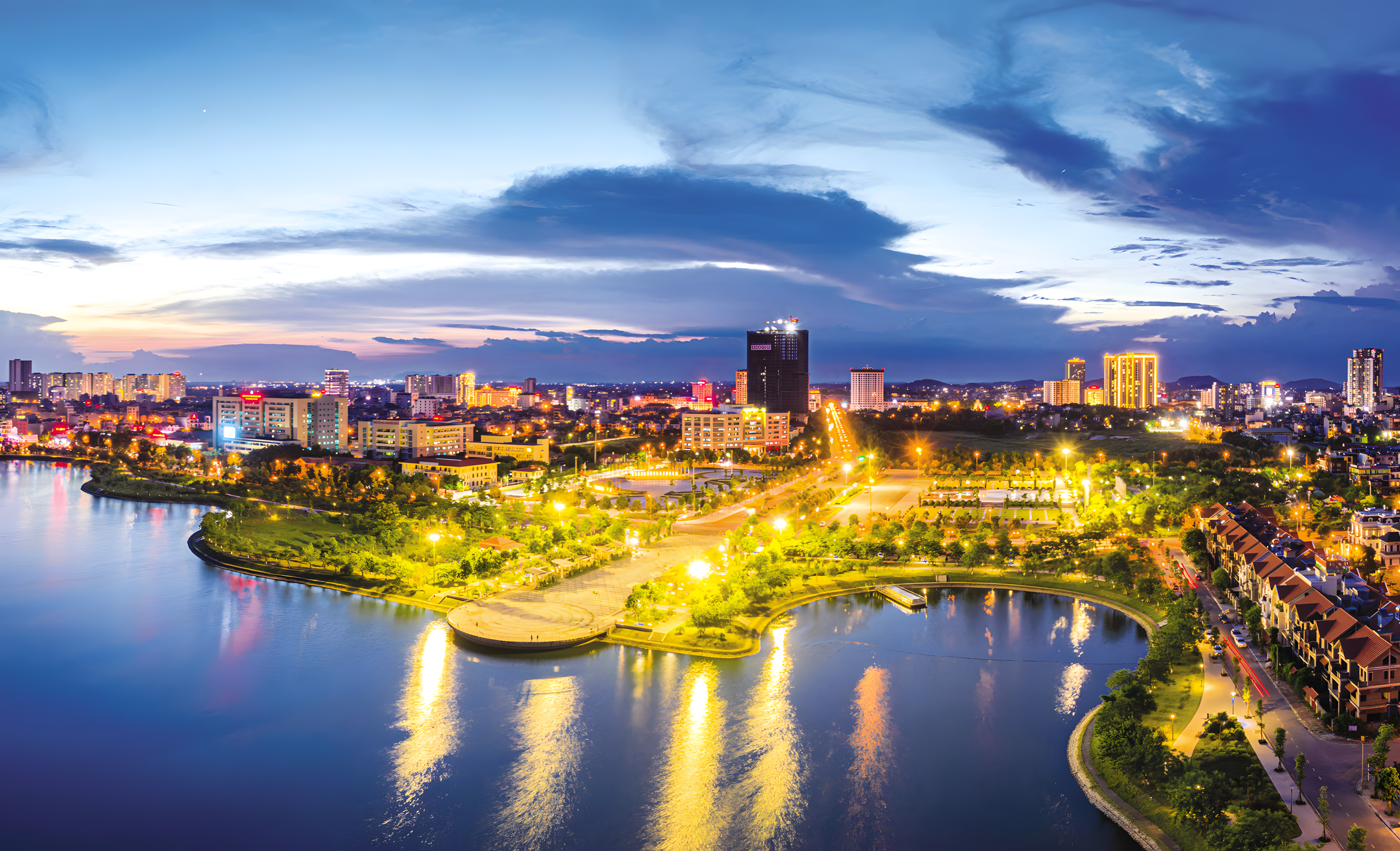
The tourism landscape could have become more diverse. For instance, the expansive Bac Giang with its numerous ecological sites could have complemented Bac Ninh, renowned for its cultural tourism. Historically, these two regions had formed the province of Ha Bac, sharing cultural similarities.
The merger of some non-border provinces with those sharing international borders could also have unlocked opportunities for border tourism development. The potential union of Lao Cai and Yen Bai, for example, could have offered tourists more convenient inter-route travel options, potentially extending their stays and increasing tourism expenditure.
Mr. Pham Anh Vu of Du Lich Viet believed that mergers could have yielded benefits in terms of transportation and tourism management. A unified promotion policy implemented across a larger territory could have benefited both businesses and tourists. Enhanced management efficiency, from promotion to tour organization, was another potential advantage. A new tourism map could also have led to the creation of more appealing tour routes within the newly formed province. While international tourists might have initially faced challenges in recognizing new destinations, familiarity would likely have grown over time.
“Tourism businesses, with their inherent adaptability, would have quickly adjusted to align with the changes,” Mr. Vu concluded, suggesting a resilient outlook for the industry amidst the evolving administrative landscape.
 Australian Hospitality Alumni Network Vietnam