

Vietnam, 12 May 2025 – Vietnamese cinema has become an important tool in promoting tourism, highlighting the country’s landscapes and cultural heritage. Films like Mắt Biếc and Chuyện của Pao have drawn attention to regions such as Huế and Hà Giang, encouraging more tourists to visit these areas. Similarly, international films like Kong: Skull Island and The Quiet American have showcased Vietnam’s landscapes, leading to increased interest in locations like Tràng An and Hội An. As these locations gain popularity, tourism has grown, and the film industry continues to support the economy. Vietnamese cinema is playing a significant role in changing how the world views and experiences the country.
Vietnamese Films as Tourism Ambassadors

Vietnamese cinema has taken on the role of a cultural ambassador, promoting tourism through compelling narratives and visuals. Films such as Mắt Biếc and Chuyện của Pao have captivated audiences not only with their storytelling, but also with their portrayals of Vietnam’s landscapes and traditional way of life. Mắt Biếc brought renewed attention to the poetic scenery of Huế, while Chuyện của Pao showcased the unique beauty of Hà Giang’s ethnic highlands. These cinematic works have inspired many viewers to seek out the real-life locations featured on screen, leading to increased tourism interest in historically and culturally rich regions. As more local films highlight the country’s diverse geography and heritage, Vietnamese cinema continues to serve as a bridge between culture and travel, deepening the connection between audience and destination.
For Vietnamese audiences, these films have sparked a renewed appreciation for the country’s cultural identity and natural heritage. By seeing familiar places elevated on the big screen, viewers are often inspired to reconnect with their roots and explore destinations within their own borders. Young audiences, particularly students and young professionals, are often drawn to these destinations to recreate scenes or relive the emotional atmosphere portrayed on screen. For some, visiting a film location is a way to deepen their connection with a beloved story; for others, it’s a chance to explore parts of Vietnam they might not have considered before. This trend of “traveling through film” reflects a growing desire among viewers to engage with cinema beyond the screen, through personal experiences that connect memory, emotion, and national identity.
International Films Shot in Vietnam

International film productions have become a powerful tool in showcasing Vietnam’s natural beauty and cultural heritage to a global audience. Blockbusters like Kong: Skull Island and The Quiet American have highlighted Vietnam’s stunning landscapes—from the limestone formations of Ninh Bình to the historic charm of Hội An, capturing the country’s diverse appeal. As a result, Vietnam has seen an increase in international visitors, with travel agencies reporting growing interest in film-related tours to iconic sites. Beyond tourism, these international projects also foster economic growth by spurring infrastructure development, creating new job opportunities, and positioning Vietnam as a key destination for global filmmakers.
Cinematic Impact on Tourism Growth and Economy
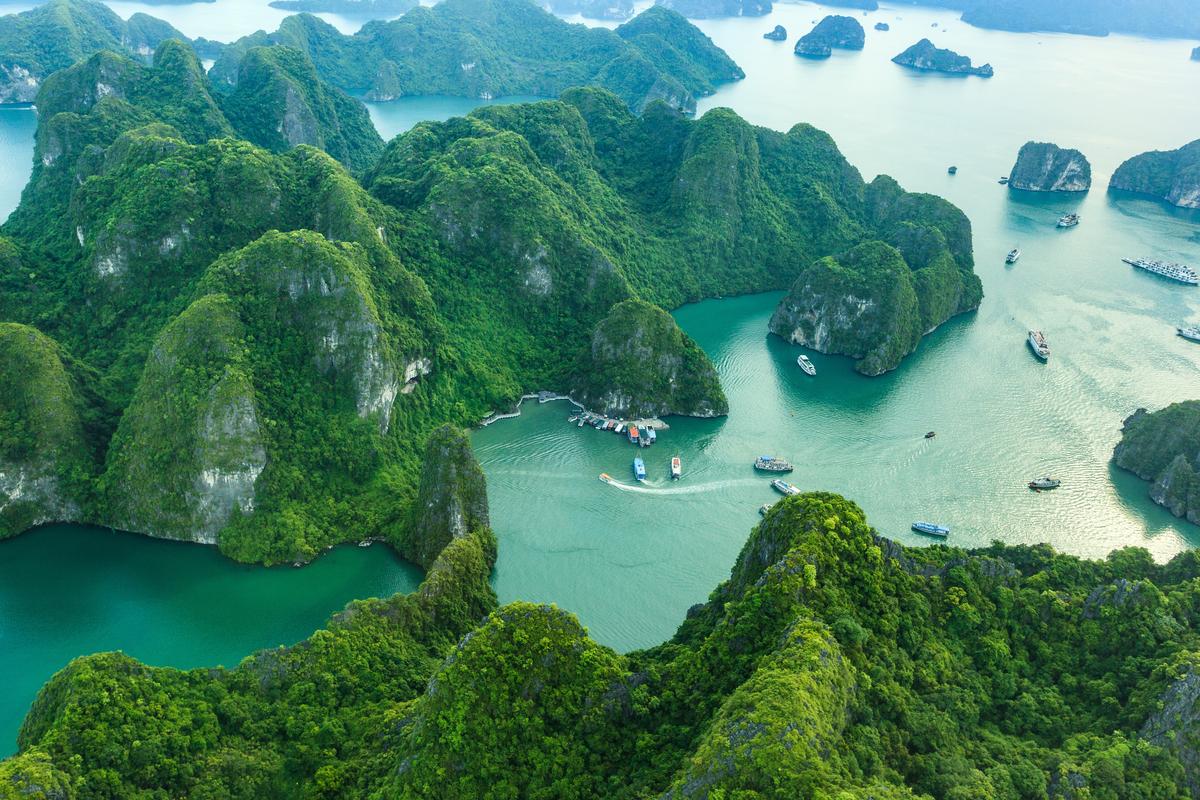
Films set in Vietnam, whether produced locally or internationally, have played a growing role in shaping the country’s tourism landscape. By showcasing Vietnam’s natural beauty, cultural richness, and historical depth, these productions have sparked increased interest among both domestic and international travelers. Tourism authorities and local businesses have responded by developing film-themed tours, revitalizing filming locations, and investing in supporting infrastructure. In many regions, destinations featured on screen have reported noticeable increases in visitor numbers, contributing to local economies and creating new opportunities in hospitality, transportation, and cultural services. As Vietnam continues to position itself as a cinematic and tourism-friendly destination, the film industry is becoming an increasingly strategic driver of sustainable travel and national branding.
 Australian Hospitality Alumni Network Vietnam