

The year 2025 is marking a significant transformation in Vietnam’s tourism industry, especially in the travel habits of young people (Gen Z and Millennials). Two key trends are emerging: the rise of independent (DIY) travel and a growing focus on sustainable tourism, both strongly supported by social media.
Young Travelers Prefer Independent Trips
Unlike previous generations, young Vietnamese travelers today favor planning their own trips over choosing pre-arranged package tours. According to Mr. Nguyen Huy Hoang, Managing Director of Klook Vietnam, over 70% of young travelers opt for this independent approach. The main reasons are related to budget management and the desire for freedom to explore and experience things personally, without being confined to a fixed tour schedule.
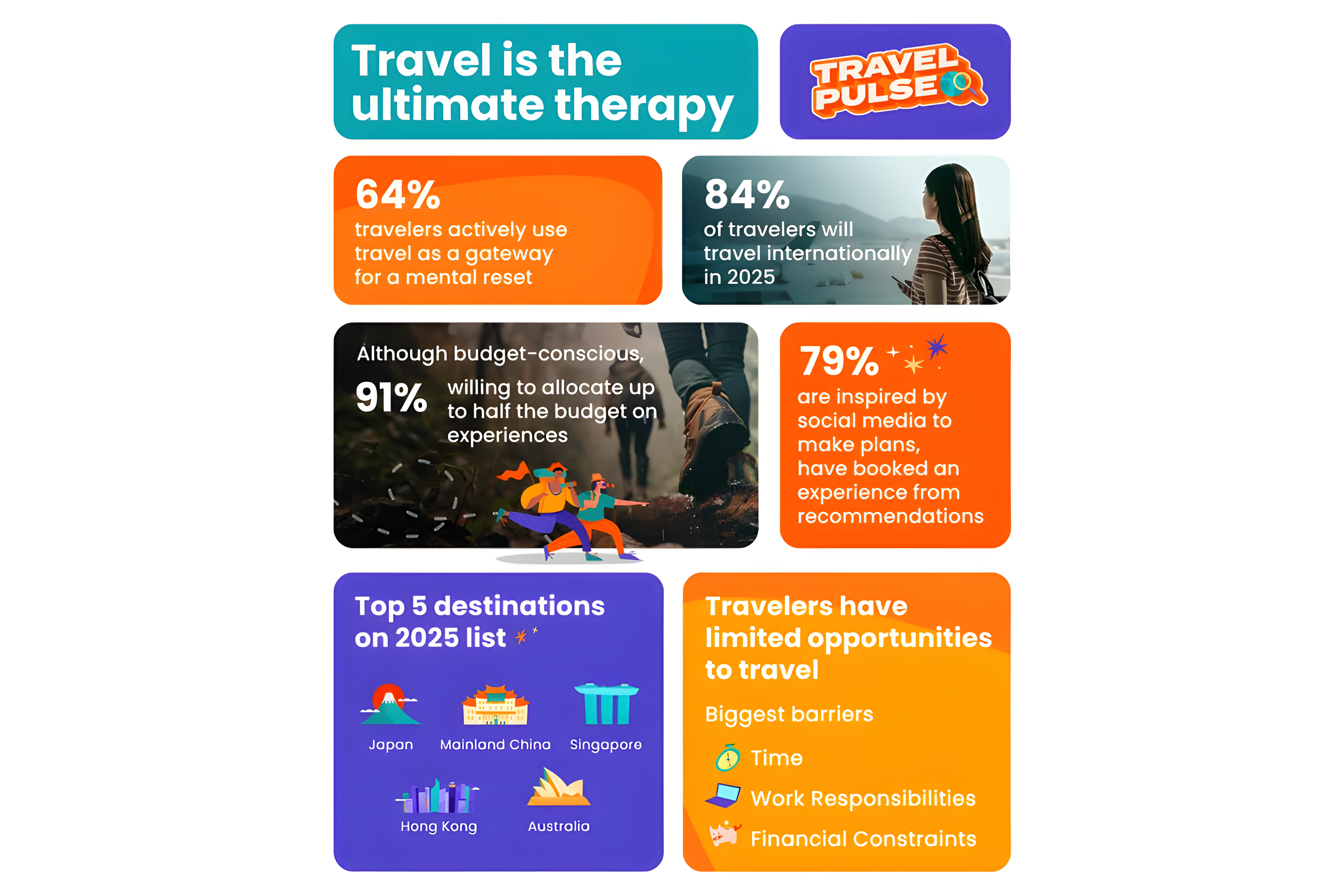
The Klook Travel Pulse 3.0 survey reveals more details: a remarkable 91% of young travelers are willing to allocate half their budget towards actual experiences, rather than spending heavily on premium flights or accommodation. Gen Z in Vietnam, in particular, tends to seek out lesser-known destinations, adventure tours, or “digital detox” vacations to maximize personal experiences and escape the hustle and bustle of modern life.
Notably, social media plays a crucial role in driving this DIY travel trend, acting as a powerful promotional tool for destinations. The Klook report found that 79% of travelers choose activities, hotels, and dining experiences based on suggestions from social media. Impressively, 27% are willing to spend an extra 20% just to visit spots made famous on Instagram or TikTok.
In Vietnam, over 90% of travelers select destinations based on their popularity on social media or because they offer beautiful photo opportunities. Gen Z is heavily influenced by travel influencers, while Millennials often seek advice from bloggers and vloggers.
Social Media Driving Destination Popularity
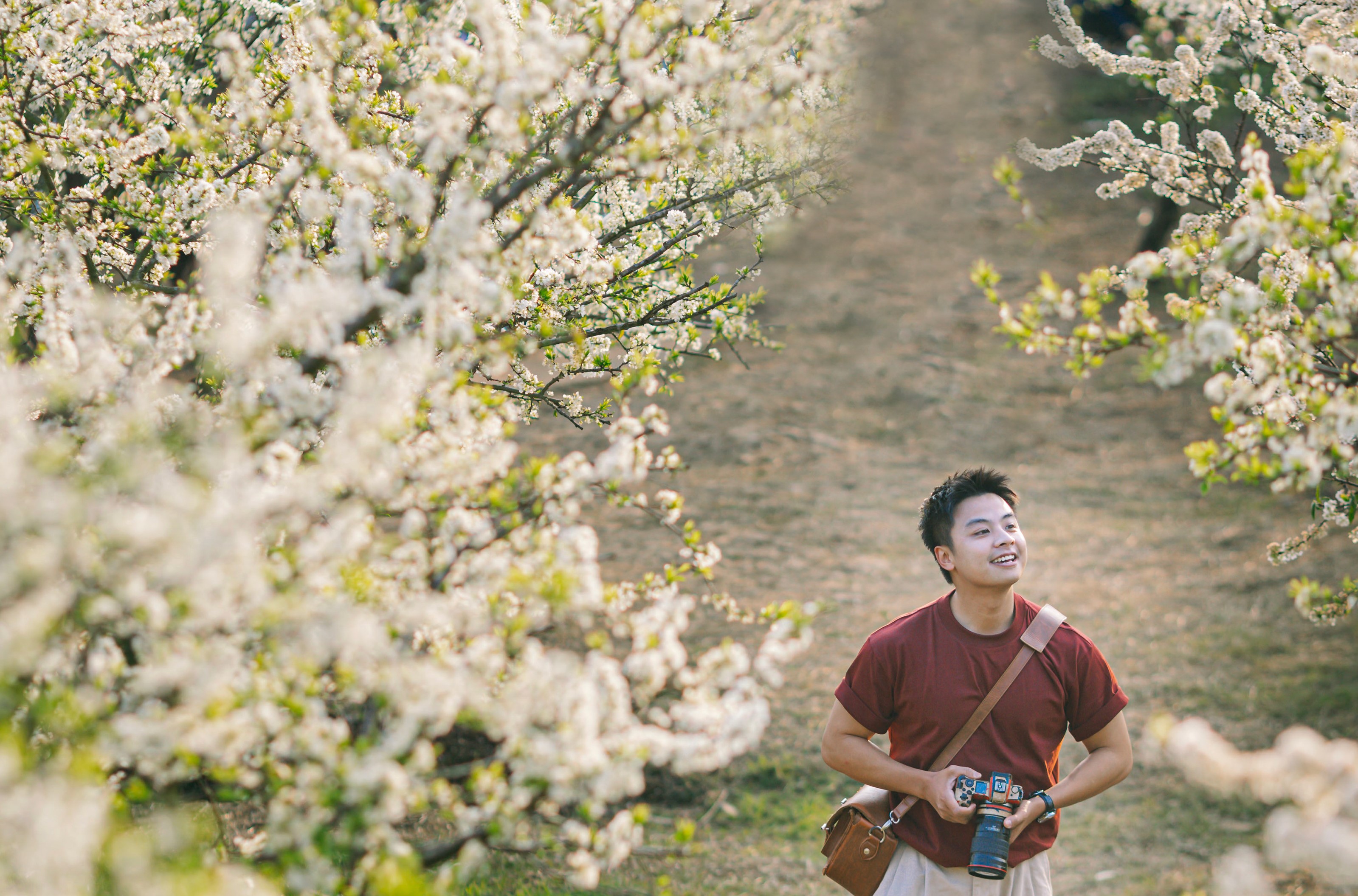
A clear example is the tourism boom in Moc Chau after the 2025 Lunar New Year (Tet holiday). Picturesque images of blooming plum forests shared widely on TikTok attracted thousands of visitors eager to take photos. Similarly, Tam Duong district in Lai Chau province effectively used social media platforms to promote its unique destinations and the rich culture of its 12 ethnic groups. Thanks to this strategy, Tam Duong’s tourism has grown significantly, boosting the local economy.
Fueled by strong social media support and changing youth travel habits, independent travel will continue its strong growth in Vietnam. Destinations need to be creative and adaptable, moving beyond traditional tours to attract young travelers. Promoting destinations via social media, along with developing travel types like trekking and community-based tourism, will help foster a more sustainable tourism industry in Vietnam.
The Trend Towards Sustainable Travel
Sustainable travel is no longer a fleeting trend; it has become an essential requirement in the global tourism industry, and Vietnam is no exception. According to Agoda’s 2025 Sustainable Travel Survey, 77% of Vietnamese travelers prioritize sustainability when planning their trips, higher than the Asian average of 68%.
Vietnam currently ranks among the countries with the highest interest in sustainable travel, following the Philippines (86%), India (82%), Taiwan (80%), and Malaysia (80%). Mr. Vu Ngoc Lam, Agoda Country Director for Vietnam, notes that Vietnamese travelers are increasingly aware of sustainability and are choosing environmentally friendly services and activities.
From Awareness to Action
This awareness is translating into concrete actions. The Agoda survey found that 27% of Vietnamese travelers prioritize experiencing local culture, 19% want to contribute to the local economy, 22% choose to travel during the low season to reduce pressure on destinations, and 21% prefer accommodations with sustainability certifications.
Booking.com’s report also indicates that 96% of Vietnamese travelers state that sustainable travel is important to them, and 94% intend to take more environmentally friendly trips in the coming year. However, some express fatigue from constantly hearing about climate change, with 40% believing that the environmental damage already done is irreversible.
Positive Impact Travel is Key
Overall, there’s a clear shift away from simple leisure tourism towards travel that positively impacts communities and the environment. Trips are increasingly seen not just as sightseeing opportunities but as chances for travelers to participate in conservation projects, community activities, or cultural exchanges.
Industry insiders note that travelers are now seeking tourism products connected to nature, culture, health, and community. These choices not only help preserve heritage values but also bring long-term benefits to local communities.
Experts believe Vietnam has a significant opportunity to develop sustainable tourism, especially as traveler awareness and actions become more aligned. Initiatives like reducing plastic waste, using renewable energy, and promoting responsible tourism are becoming more common. Collaboration between government agencies, tourism businesses, and local communities is crucial to ensuring the sustainable development of Vietnam’s tourism sector in the years ahead.
 Australian Hospitality Alumni Network Vietnam