
In a proud moment for Vietnam, TIME Magazine has named Ho Chi Minh City’s Metro Line 1 as one of the World’s 100 Greatest Places to Visit in 2025—the only Vietnamese destination to make the prestigious list.
This marks the seventh year that TIME has published its list of ideal destinations, evaluated based on criteria such as Relevance, Impact, Innovation, and Success. The list includes 100 locations worldwide, spanning diverse categories such as hotels, resorts, restaurants, cruises, and attractions.
Metro Line 1 (Ben Thanh – Suoi Tien) is one of 21 destinations from Asia selected by TIME alongside global travel hotspots such as Japan’s Nintendo Museum, Beijing Library, and Shanghai’s Ski Resort. It reflects Vietnam’s rapid urban transformation and growing appeal to global travelers.
A New Icon for a Dynamic City
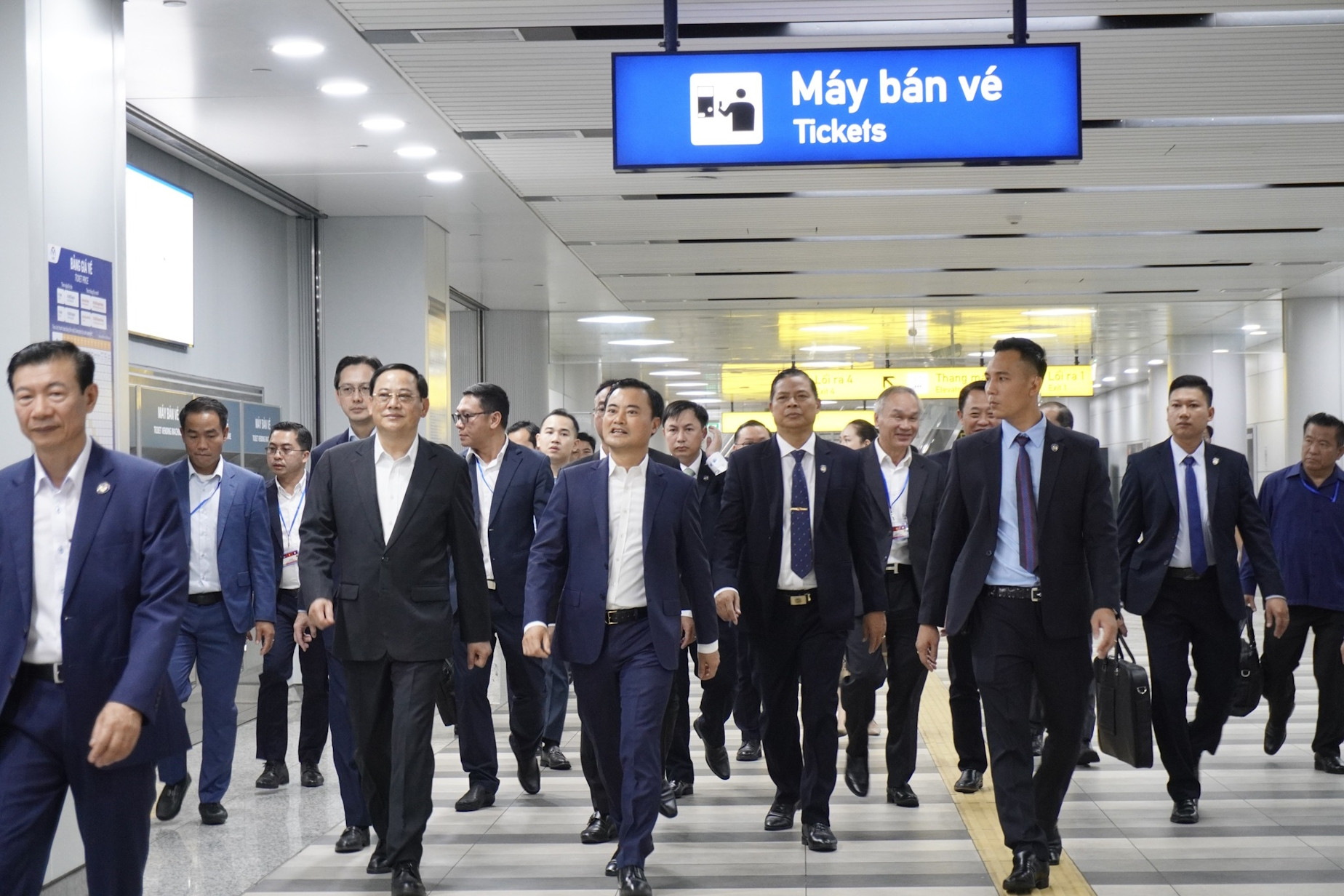
According to TIME, the Ben Thanh – Suoi Tien metro line is “a great achievement” for Ho Chi Minh City, showcasing how the southern metropolis is reinventing itself for the future. Stretching 19.7 kilometers with 14 stations, the line connects the vibrant heart of HCMC with the growing innovation hub of Thu Duc City. Designed as a rapid transit system, it alleviates traffic congestion and reduces environmental pollution while improving residents’ quality of life. For tourists, it’s more than just a way to get around—it’s a new way to sightsee Ho Chi Minh City and explore iconic attractions like Ben Thanh Market, Nguyen Hue Walking Street, and the Municipal Theatre
More Than Just Transportation
Beyond convenience, Metro Line 1 represents a shift toward sustainable urban living. TIME magazine highlights its potential to alleviate congestion and curb pollution, ultimately improving the lives of countless residents and visitors. For tourism, this smooth, clean, and efficient transit system offers a revitalized way to experience one of Asia’s most dynamic city.
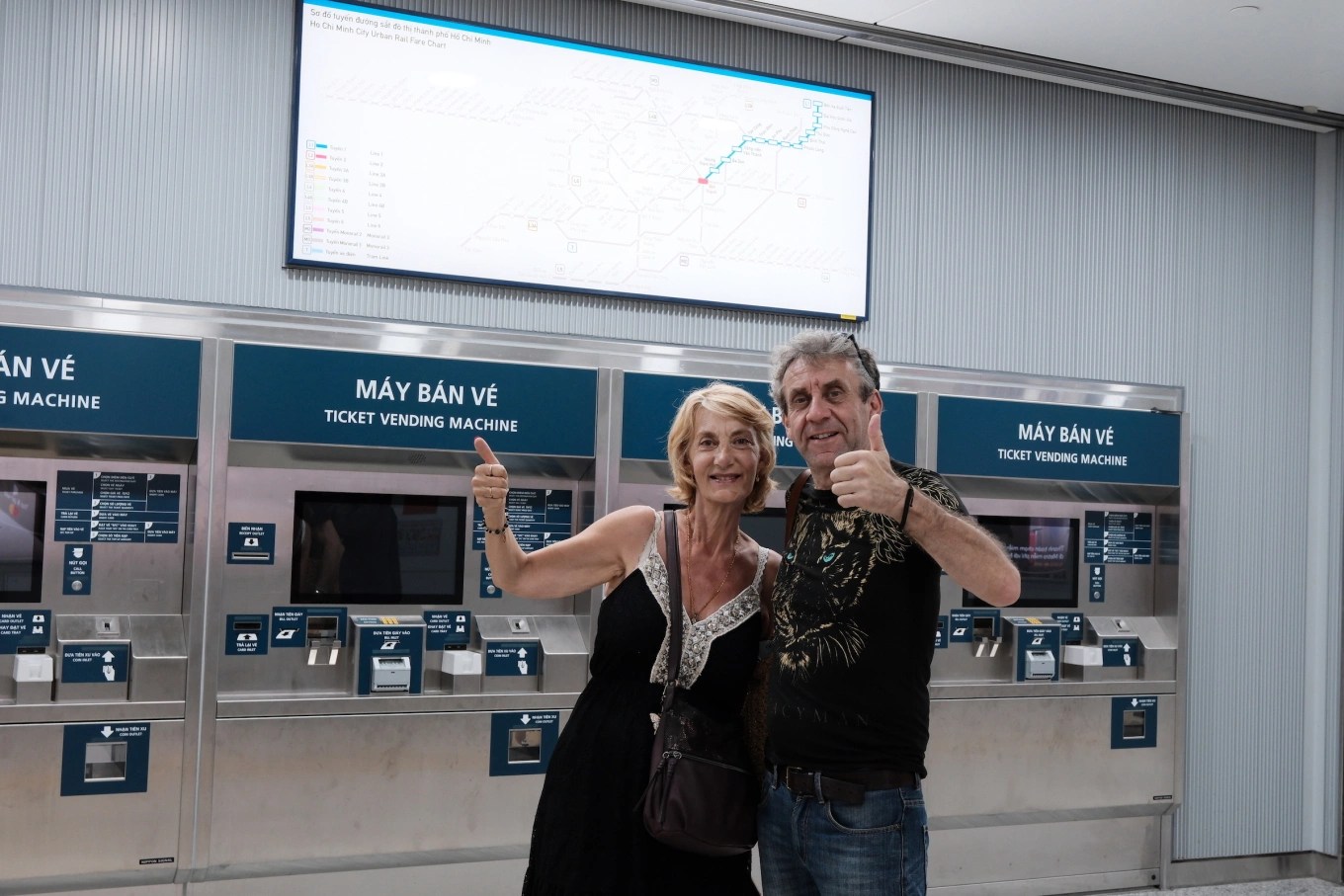
The environmental impact of Metro Line 1 is significant. According to the Ministry of Transport (MoT), Vietnam’s transportation sector contributes 18% of the country’s greenhouse gas emissions. Transitioning urban mobility to metro systems could significantly lower this figure, aligning with Vietnam’s commitment to achieving net-zero emissions by 2050.
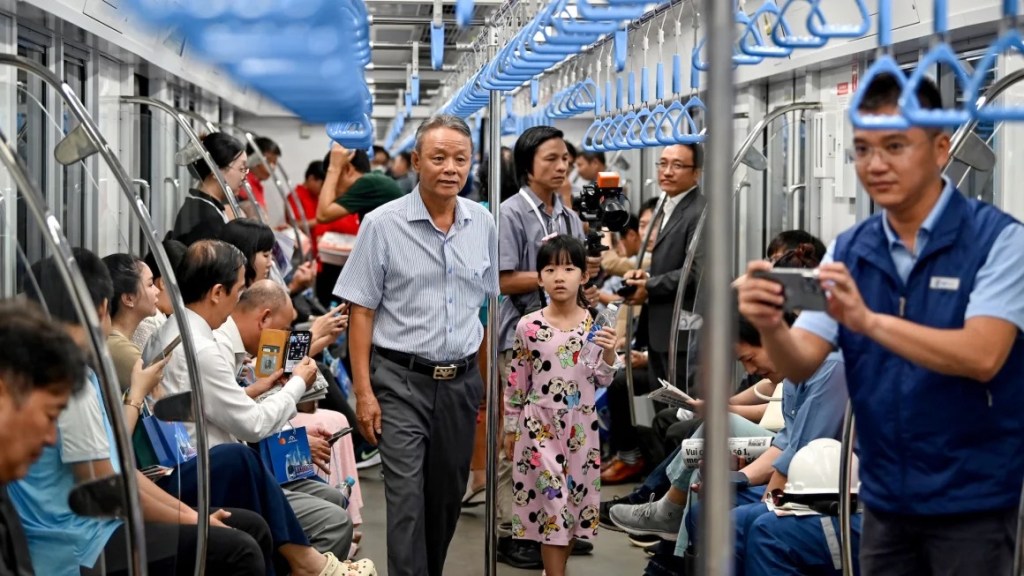
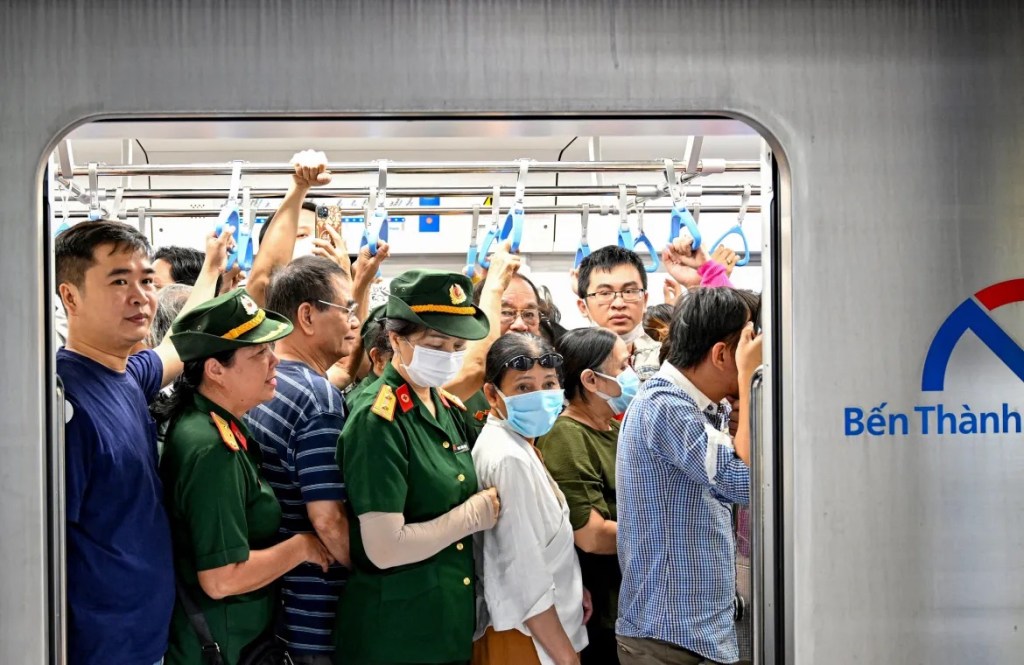
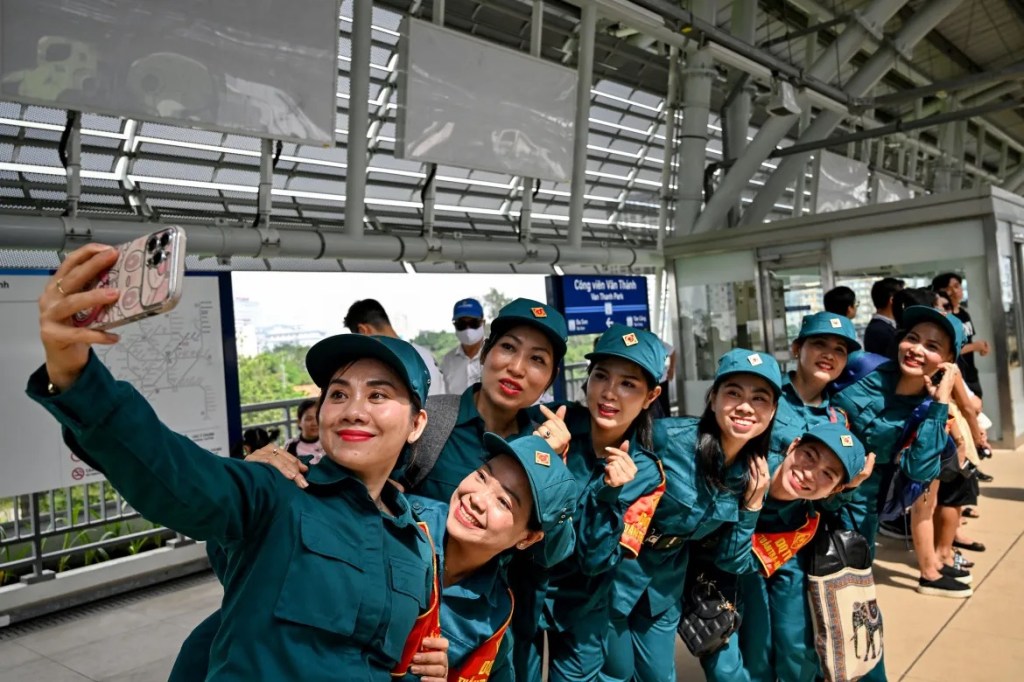
Moreover, Metro systems are poised to stimulate economic growth. Improved connectivity can enhance property values along metro routes by up to 30%, as seen in other global cities. This “Metro effect” is already evident in Thu Duc City, where real estate developments are booming. The metro also creates job opportunities. During the construction of HCMC’s Metro Line 1, thousands of local workers were employed. Once operating , the system requires staff for maintenance, operations, and customer service. Furthermore, businesses near metro stations, including retail and dining, are expected to see increased foot traffic.
Vietnam’s metro systems symbolize more than modern infrastructure, they represent a shift towards sustainable urban living.
 Australian Hospitality Alumni Network Vietnam