
Instead of pursuing mass tourism, Moc Chau (Son La) is focusing on community-based tourism as a long-term strategy. This approach harmonizes economic growth with the preservation of cultural identity and environmental protection, creating sustainable appeal for this beautiful highland region.
Guided by the principle of “connecting, supporting, and jointly promoting sustainable community-based tourism development,” households in Na Ang residential group (Dong Sang ward, Moc Chau town) have collectively built a diverse tourism ecosystem. This ranges from homestay accommodations and specialty cuisine to cultural experiences and daily life activities of the locals. Na Ang has formed a well-organized and professional tourism community. According to Ms. Vi Thi Phuong, Vice Chairwoman of Dong Sang Ward People’s Committee: “We disseminate information, encourage households to invest in facilities, share experiences, and improve communication and service skills to meet the increasing demands of tourists.”
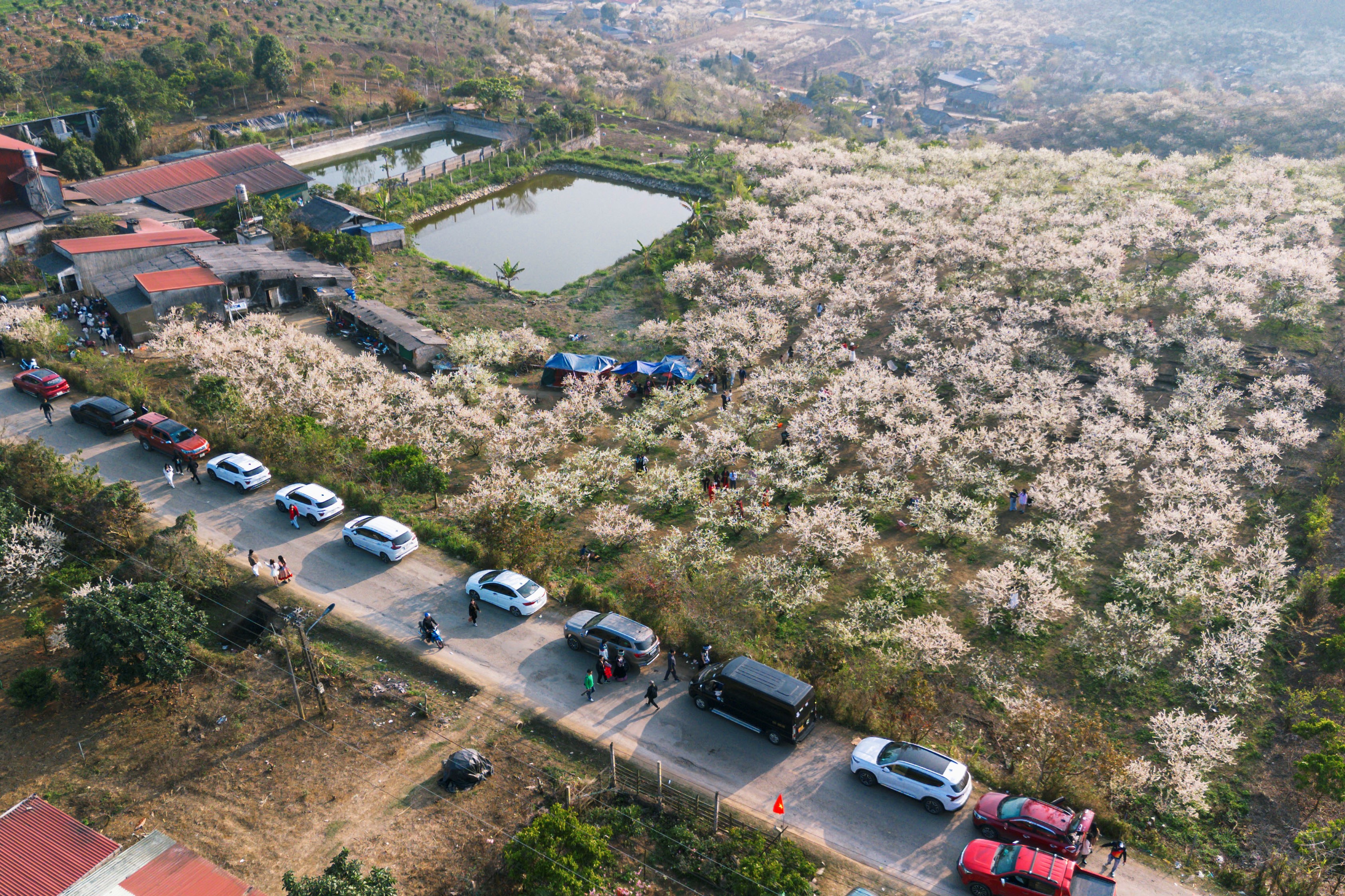
Currently, with 65 households engaged in tourism services, Na Ang provides a stable income for residents, contributing to the improvement of local living standards. By connecting with travel agencies and schools, the area attracts a large number of visitors to explore local culture, nature, and daily life. Each month, Na Ang welcomes approximately 10,000 visitors, and during holidays and Tet, this number increases by 2 to 3 times.
Beyond building accommodations, Na Ang residents have also created many attractive tourism products. Cultural performance teams entertain visitors, colorful flower routes add charm, and clean vegetable and strawberry gardens offer delightful experiences. Visitors not only relax but also have the opportunity to immerse themselves in the daily life of the Thai people, from learning how to weave and make cotton mattresses and brocade to participating in the preparation of traditional dishes such as com lam (bamboo-cooked rice), grilled stream fish, or dried buffalo meat.
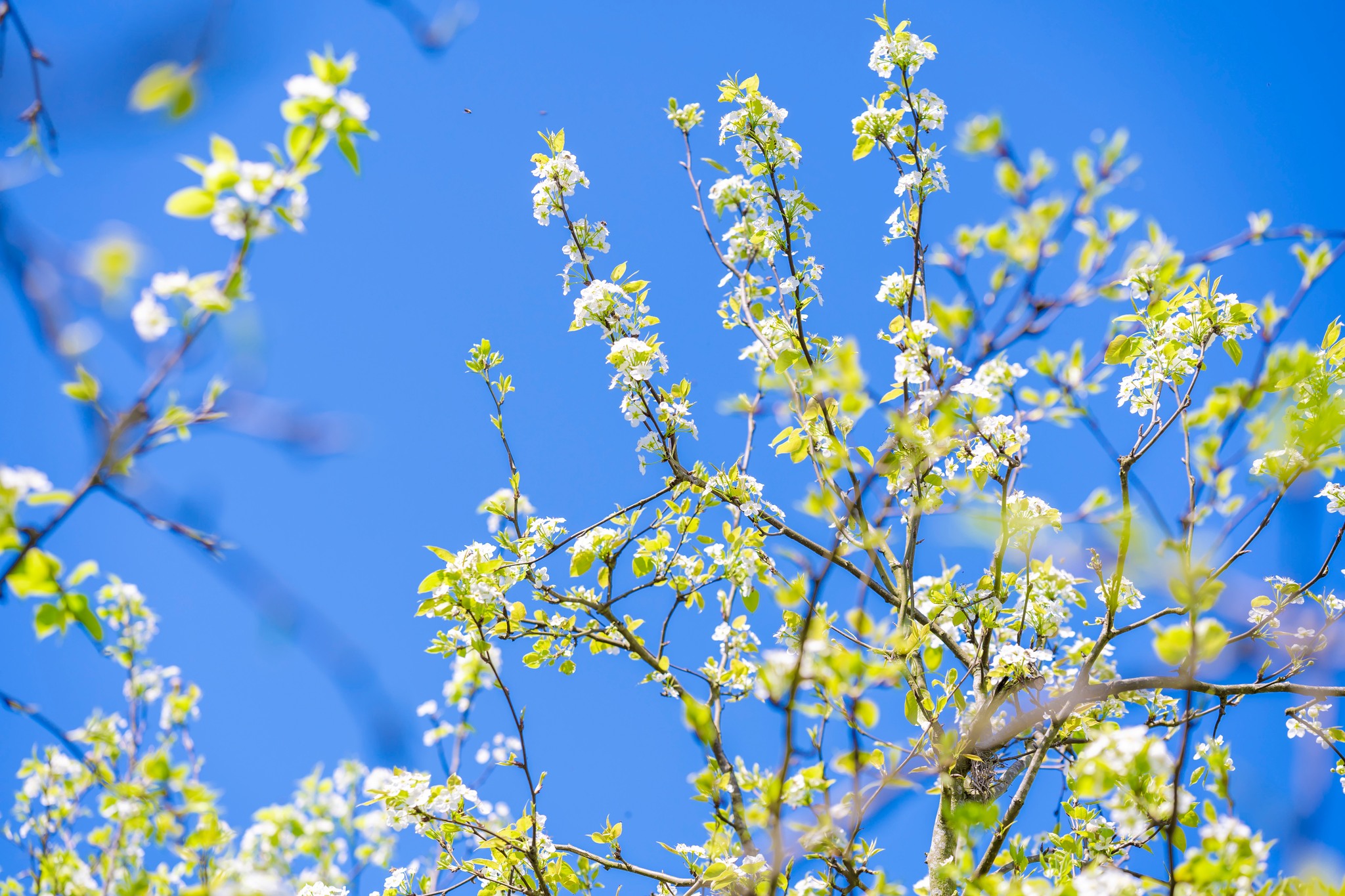
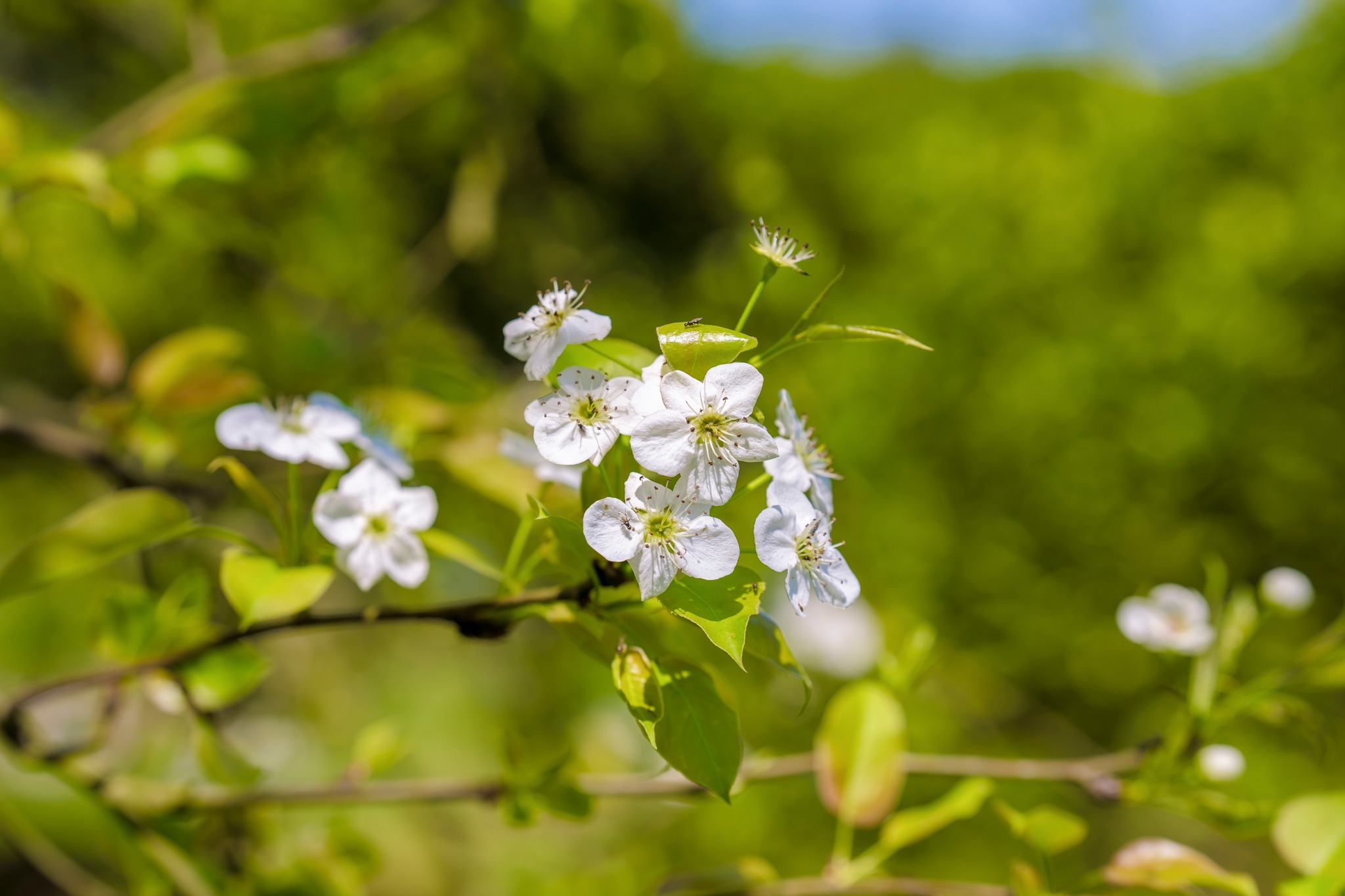
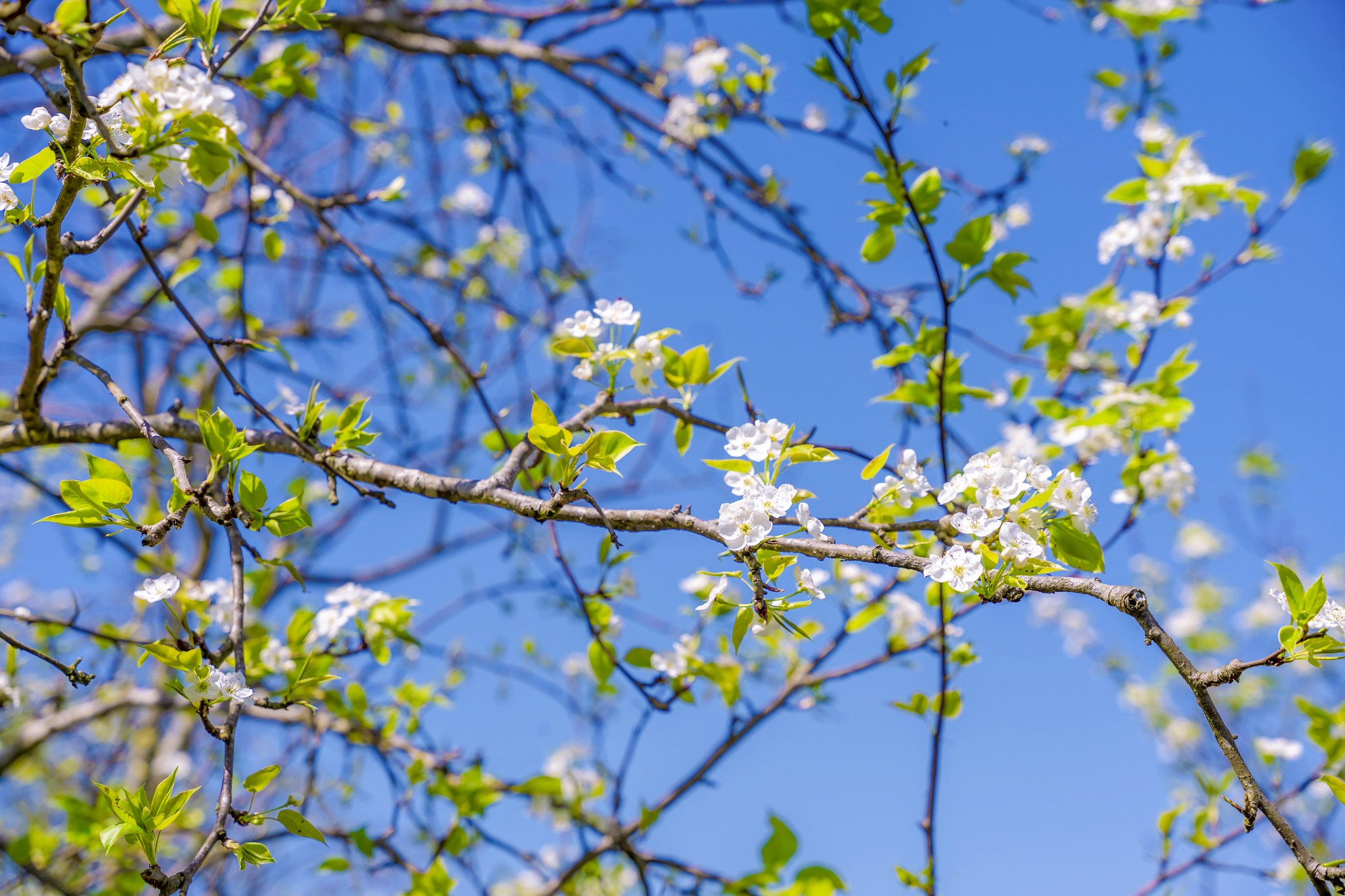
Sharing with reporters, Ms. Nguyen Thi Hong Hao, owner of Noong Oi homestay (Dong Sang, Moc Chau) enthusiastically said, “Thanks to a stable flow of visitors throughout the year, especially during the plum and mustard flower seasons, I and many other homestay businesses have good incomes, and our lives are improving. More importantly, tourism not only brings profits but also helps us preserve our cultural identity and spread the beauty of Moc Chau to more people.”
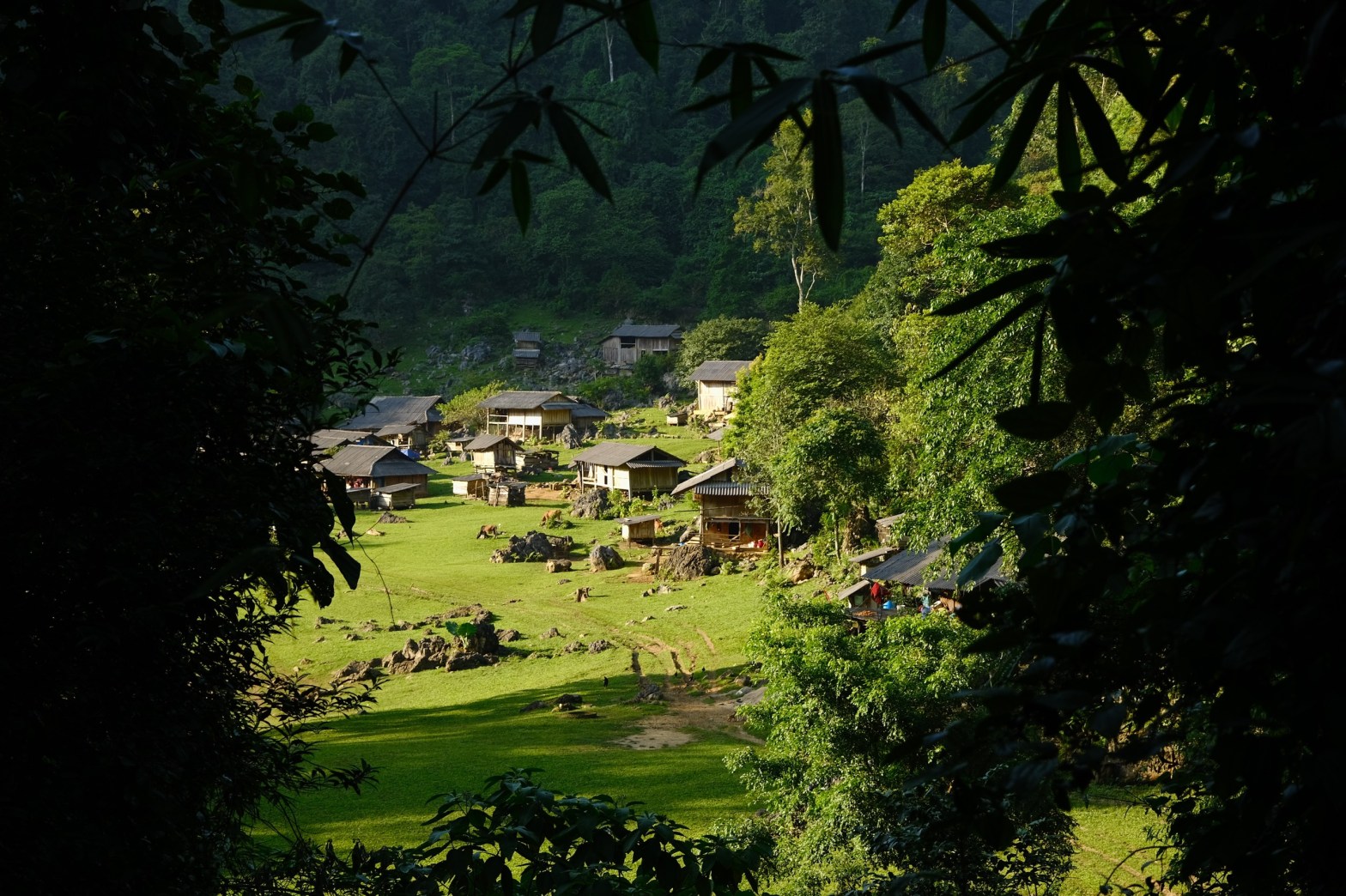
Another Moc Chau destination attracting special attention is the “primitive village” of Hang Tau, located in Ta So village, Chieng Hac commune. This place boasts rare pristine beauty, completely separate from the modern world with “three nos”: no electricity, no phone signal, and no Wi-Fi. Once a self-sufficient production area for the H’mong people, Hang Tau has become one of the most impressive destinations on the Moc Chau plateau since the development of community-based tourism. Unlike many other tourist spots with modern infrastructure, the locals in Hang Tau choose to preserve the pristine beauty of this land to attract visitors.

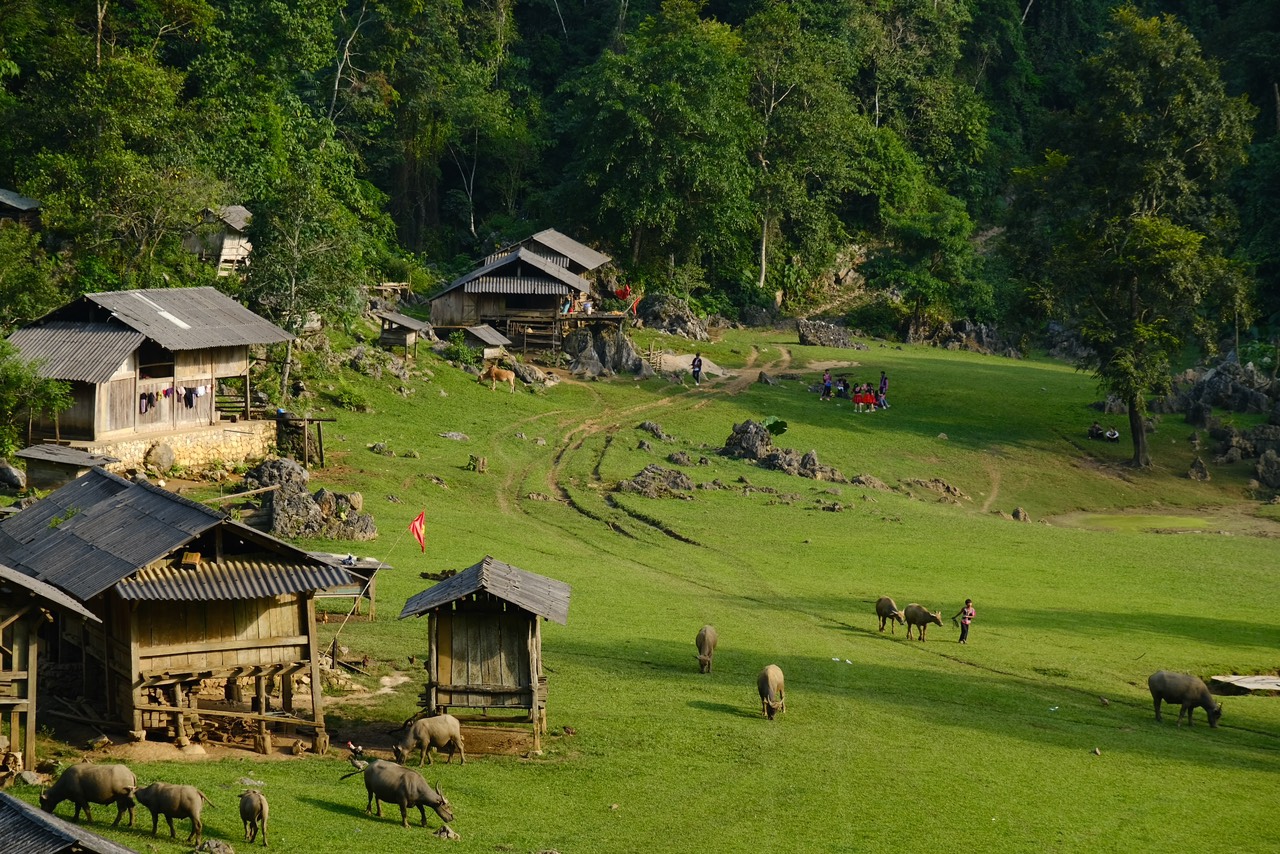
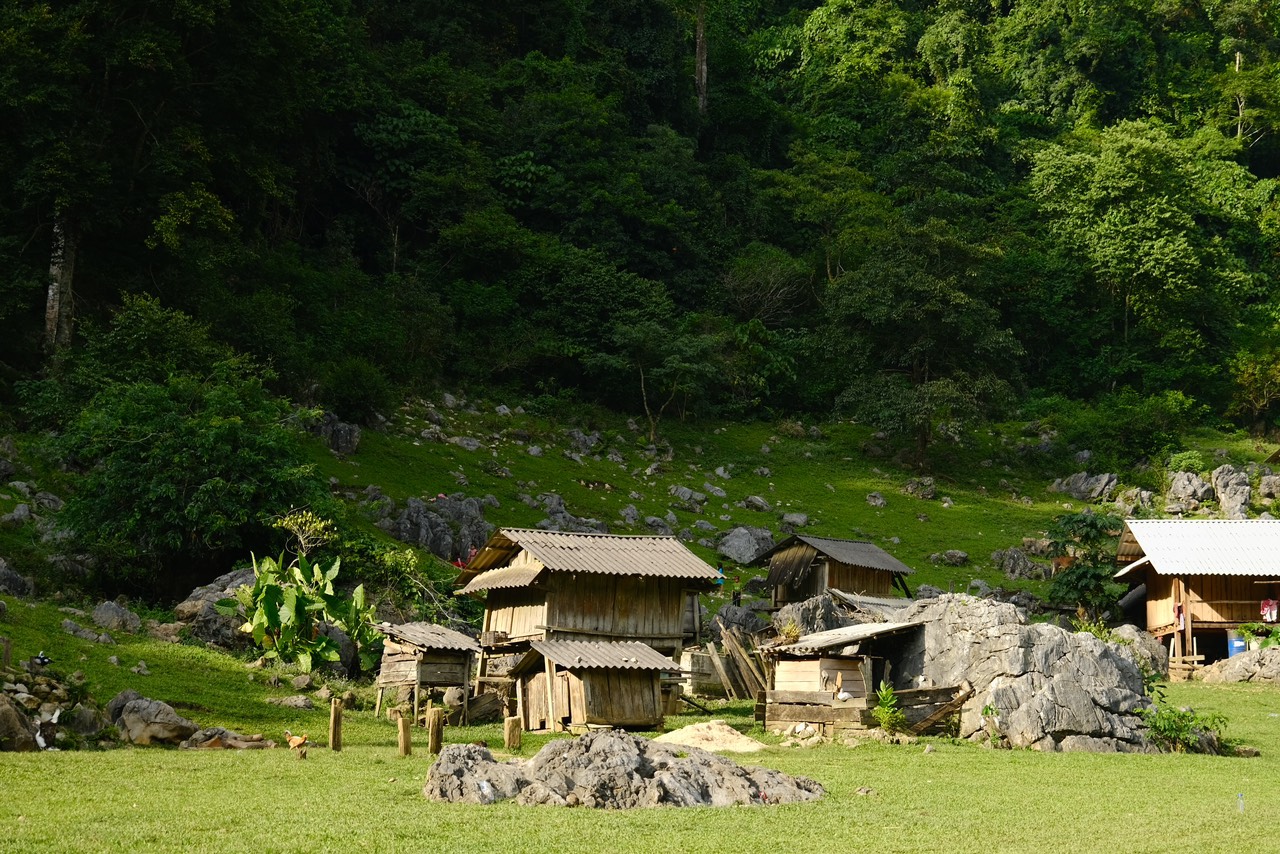
In August 2023, Chieng Hac commune established the Hang Tau Tourism Cooperative with 20 member households. Members provide visitor pick-up and experience services, linking with homestay households in Ta So village to provide meals and accommodation for visitors. Mr. Mua A Chau, Director of the Hang Tau Tourism Cooperative, said, “Previously, people mainly lived off corn and plum trees, but since tourists came, we have integrated tourism with production life. Visitors experienced and suggested that if electricity or roads were built, this place would lose its appeal. Therefore, we decided to preserve its inherent pristine beauty.”
Thanks to this approach, Hang Tau not only attracts adventurous tourists but also creates sustainable livelihoods for the H’mong people. Services such as ethnic costume rentals, horse riding experiences, and the sale of handicrafts and local specialties have helped residents significantly improve their income. Currently, Hang Tau welcomes about 3,000 visitors per month, generating an average revenue of 100 million VND.
Besides, several other locations boast stunning natural scenery but remain undeveloped for tourism, including To Bo Peak, Chieng Khoa Waterfall, Tat Nang Waterfall, the hot springs in Chieng Yen commune, and the Xuan Nha Nature Reserve.
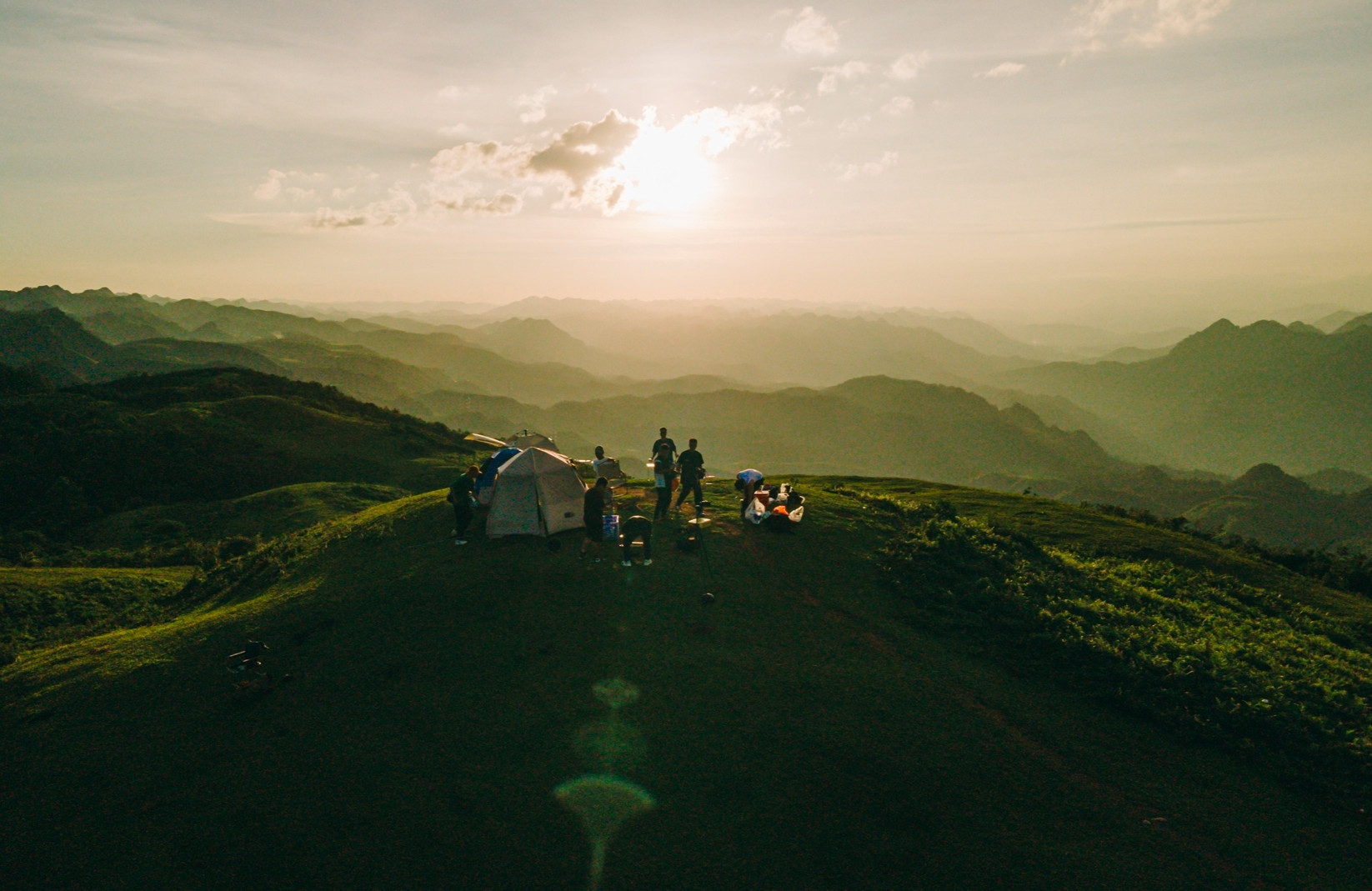
At To Bo Peak, besides cloud hunting, visitors can also enjoy camping, overnight stays, and captivating outdoor barbecues. Notably, here, visitors can almost experience all four seasons in a single day. The morning is warm like spring, the midday shifts to intense sunshine like summer, while the afternoon is cool like autumn, and it gradually cools down into cold weather at night and into the early morning.
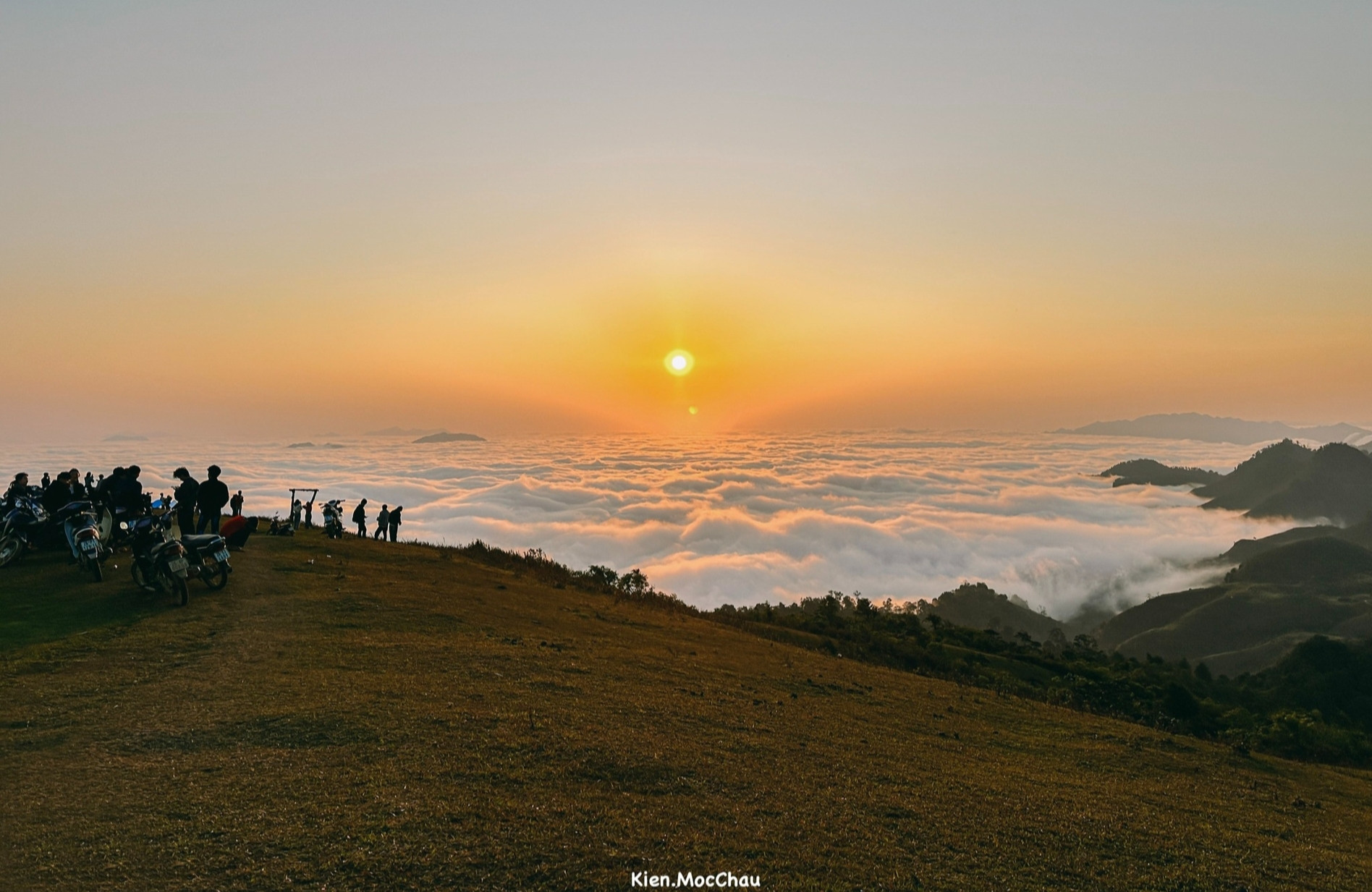
Tourism is not just about scenic spots but also about the connection between people, culture, and nature. For sustainable development, Moc Chau needs to continue investing in human resource training, improving visitor service skills, and ensuring that cultural preservation is not overly commercialized.
 Australian Hospitality Alumni Network Vietnam