
MICE tourism (Meetings, Incentives, Conferences, and Exhibitions) is a growing global trend, attracting high-spending visitors. In Vietnam, MICE tourism is still relatively new and requires comprehensive investment in services, accommodations, and skilled labour to fully tap its potential.
MICE tourism combines traditional tourism with organized business events, creating opportunities for new investments and cooperation. This type of tourism, attracting greater value than individual or group travel, draws in large numbers of visitors with high spending power and longer stays.
Notably, MICE tourism occurs year-round, providing stable benefits even during the off-season. Therefore, MICE is considered a high-end tourism segment, a top priority strategic direction for developing, expanding the market, and building brands for tourism businesses. It is also one of the most effective solutions to limit seasonality in local tourism activities. This presents an advantage for localities to leverage and develop their tourism market. Beyond benefits for the tourism industry, MICE tourism also impacts other economic sectors and opens up opportunities and prospects to attract domestic and foreign investors.
While Vietnam has great potential for MICE tourism, there are still bottlenecks to be resolved.
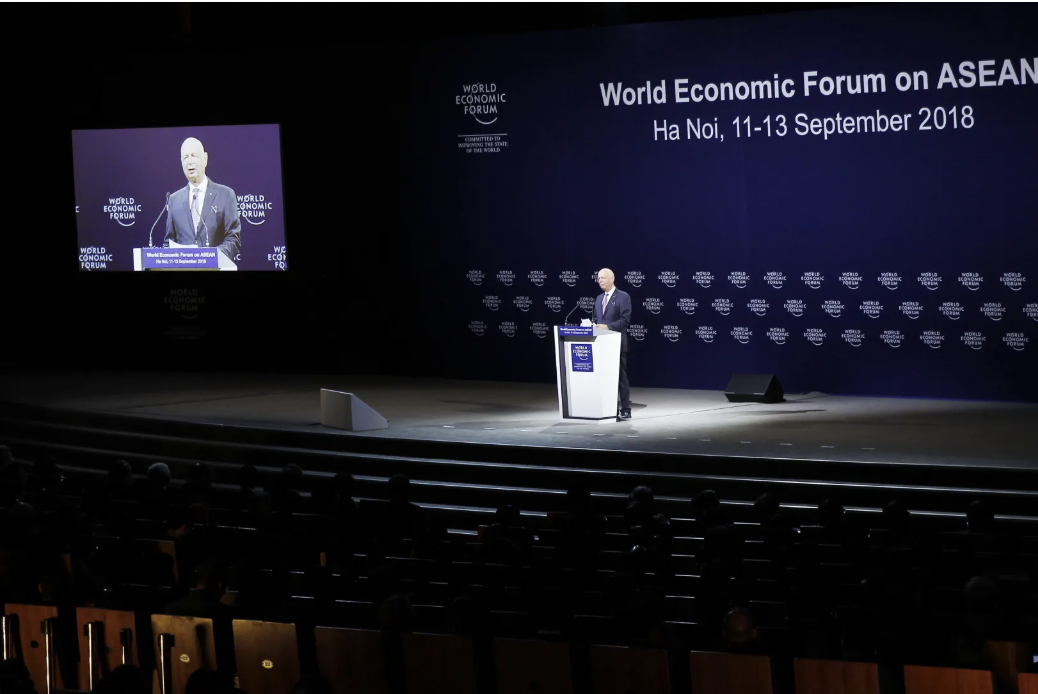
MICE tourism in Vietnam is assessed to have great potential to reach international levels. Large cities like Hanoi, Ho Chi Minh City, and Da Nang possess good infrastructure and experience in organizing conferences, award ceremonies, and large-scale events. As evidence, Hanoi has successfully hosted many important events at the national, regional, and international levels, notably the US-North Korea Summit, the World Economic Forum on ASEAN, the 6th Greater Mekong Subregion Summit, SEA Games 31, and ASEAN Para Games 11. As the result, MICE tourism is currently considered a strength of the capital’s tourism industry, stated by Mr. Nguyen Hong Minh, Deputy Director of the Hanoi Department of Tourism.
Furthermore, some leading MICE tourism markets in Southeast Asia, such as Singapore, have become less exciting for travelers. MICE tourists are now trending towards seeking pristine experiences connected to nature or exploring local life and culture after their conferences conclude. Therefore, Vietnam holds significant advantages for developing MICE tourism, including its unique culture, rich cuisine, long and beautiful coastline, diverse natural landscapes, and safe environment.
Despite Vietnam’s potential for MICE tourism and over a decade of development, significant challenges persist. Mr. Vu Quoc Tri, Secretary General of the Vietnam Tourism Association, highlights the lack of data on its effectiveness and economic impact, hindering strategic planning and growth. Director Nguyen Anh Tuan further identifies the absence of a dedicated development program, insufficient large-scale venues, and shortcomings in coordination, human resources, and international promotion. Addressing these bottlenecks is crucial to unlock Vietnam’s MICE tourism potential and enhance its competitiveness.
Solutions for enhancing regional connectivity in MICE Tourism
To effectively harness the region’s tourism potential, particularly in M.I.C.E tourism, Vietnam requires comprehensive and long-term solutions that integrate infrastructure development, tourism products, promotional campaigns, and human resource enhancement.
In 2020, the Vietnam Tourism Association established the Vietnam MICE Tourism Club to create a clearer development path for this sector. Events like MICE Expo were organized to connect domestic and international MICE businesses, helping shape Vietnam’s future in this field.

Speaking at the forum entitled ‘Vietnam – Destination of MICE Tourism’, which was recently held in Hanoi within the framework of MICE EXPO 2024, Le Thi To Linh, Deputy Head of the Passenger Service Department of Vietnam Airlines in the Vietnam region, said that MICE is a type of tourism that requires a high level of professionalism, connectivity, destination selection, and travel experience.
Therefore, she stressed the need to build a comprehensive programme on MICE tourism development led by the state management agency, which can gather all parties operating in the tourism industry. Such a specific plan will also help promote Vietnam’s destinations in general while saving costs rather than doing it individually. In addition, it is necessary to have a strategy to enhance competitive advantages for Vietnam’s tourism destinations with a long-term vision, such as organising or bidding for international event programmes (sports tournaments and music concerts) to enhance the ability to attract more tourists.
Meanwhile, Mr. Phung Quang Thang, Vice President of the Vietnam Travel Association, emphasized that it is crucial to strengthen the coordination between relevant parties to improve the synchronisation in the service chain provided to MICE visitors. Government agencies should support businesses in improving infrastructure; local authorities and promotion agencies should cooperate with businesses in advertising MICE tourism destinations; event organizers must ensure the quality of services; while related service providers and local communities should cooperate with event organizers to ensure the event’s technical and technological standards.
This coordination will help optimize costs and increase efficiency by sharing resources and experiences and, at the same time, providing businesses with new partnership opportunities with international partners, thus making Vietnam’s MICE tourism operate more professionally.
 Australian Hospitality Alumni Network Vietnam