
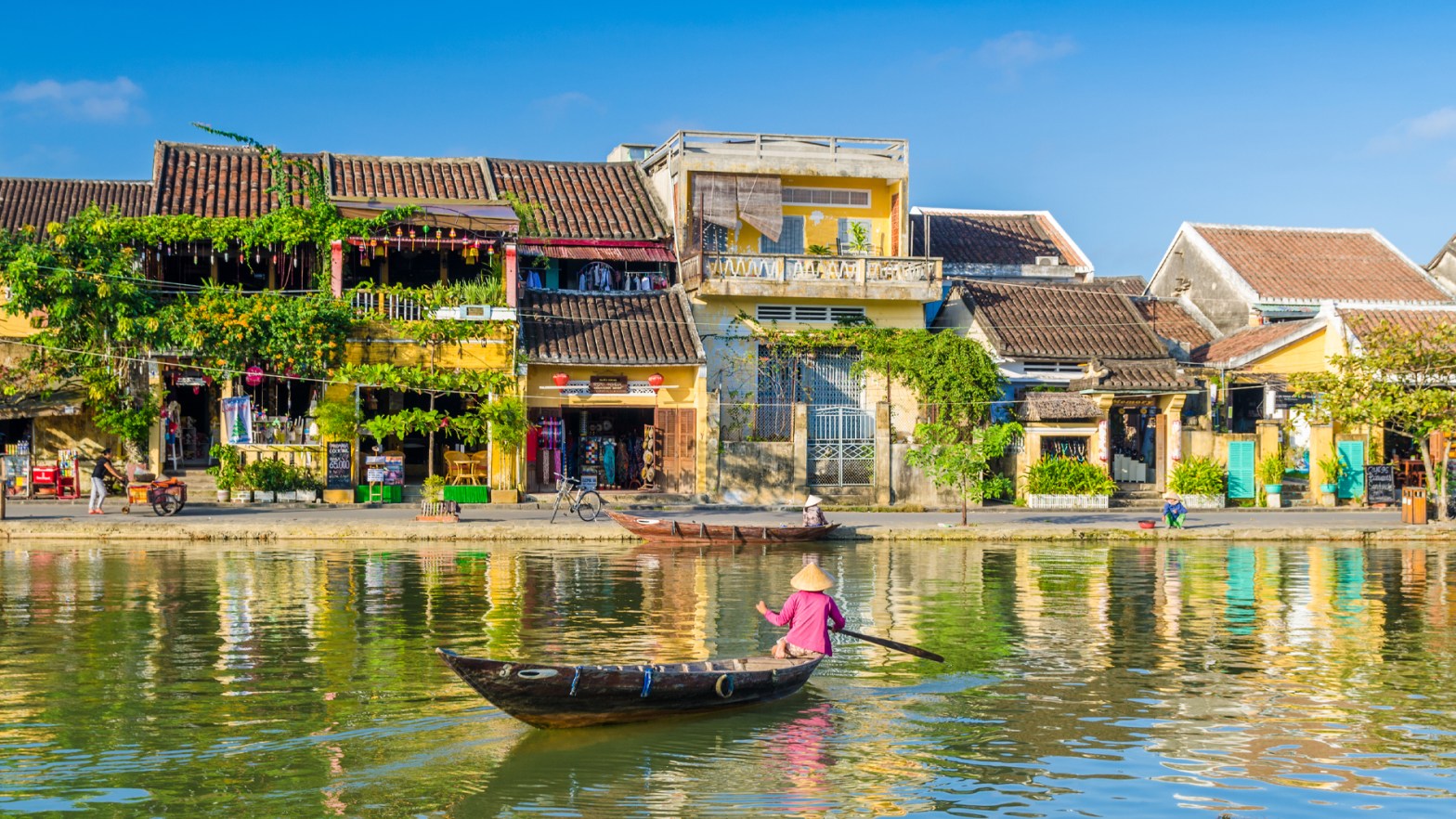
Launched in 2021, The UNWTO’s Best Tourism Villages Award recognizes rural villages for their natural beauty, cultural heritage, and sustainable tourism practices. Annually, hundreds of villages worldwide compete for this prestigious award. And Vietnam has secured a remarkable feat having three of villages included in this prestigious list: Thai Hai (2022), Tan Hoa (2023), and Tra Que (2024). Let’s explore the beauty of these three Vietnamese villages.
Thai Hai Village: A Living Museum of Tay Culture in Thai Nguyen
Located in the lush greenery of Thai Nguyen province, 70 kilometers from Hanoi, is the enchanting Thai Hai village. With the unique blend of traditional Tay culture and sustainable tourism, Thai Hai Village has captured the hearts of locals and international travelers.
Reviving a Tradition: A Journey Through Time
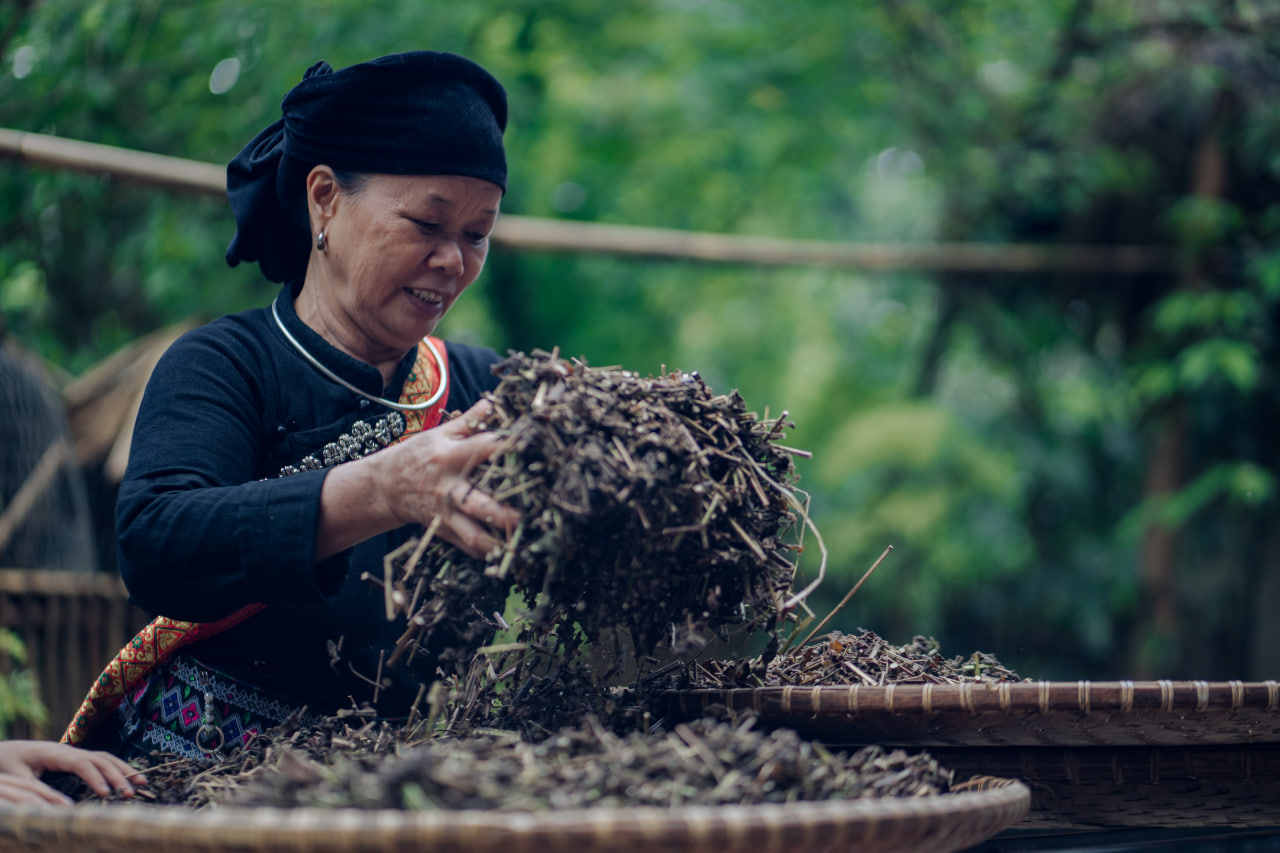
Over two decades ago, the Dinh Hoa region witnessed the sorrowful decline of traditional Tay stilt houses as they were replaced by modern brick structures. Fearing the loss of this cultural heritage, Mrs. Nguyen Thi Thanh Hai, now the village head, took action. She borrowed money to acquire 30 ancient stilt houses and reconstruct them in Thai Hai. By inviting the original owners to return to this recreated village, she fostered a vibrant community that celebrates both tangible and intangible cultural heritage.
Today, Thai Hai Village boasts over 30 centuries-old stilt houses, home to more than 200 residents from various ethnic groups including Tay, Nung, Dao, and Kinh. Despite their diverse origins, the villagers have formed a harmonious community, bound by shared traditions and a deep respect for their cultural heritage. Children in the village are taught the indigenous language and arts of singing Then and playing Tinh – ancient music instruments, ensuring that their cultural heritage is passed down through generations.

A Living Museum
Visiting Thai Hai offers a peaceful escape from the bustling city life. Wandering through the village, you’ll be captivated by the intricate wood carvings adorning the traditional stilt houses. The gentle sounds of looms weaving vibrant fabrics and the enticing aroma of local cuisine fill the air, creating a truly immersive experience. Friendly warmly welcome villagers, visitors can participate in daily activities like farming, weaving, and preparing traditional meals. It’s a chance to connect with nature, learn about local customs, and create lasting memories.
Tan Hoa: Nature’s Wonderland in Quang Binh province
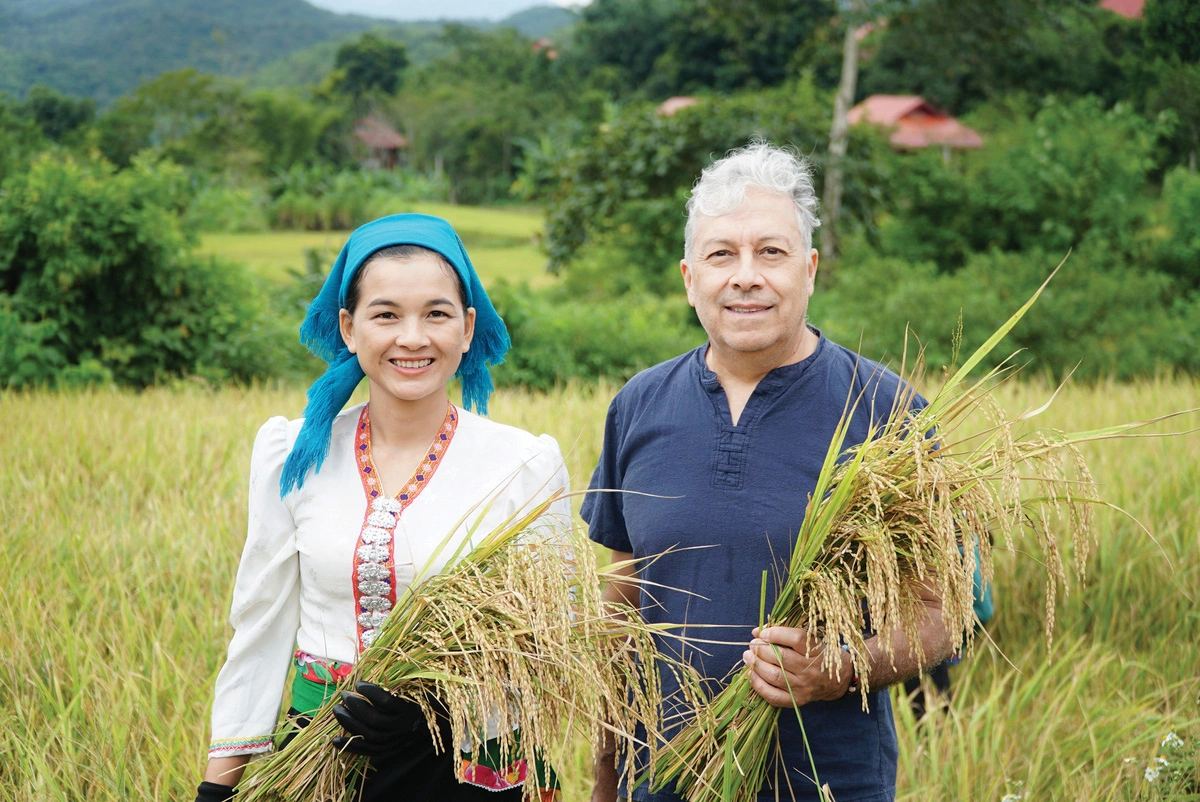
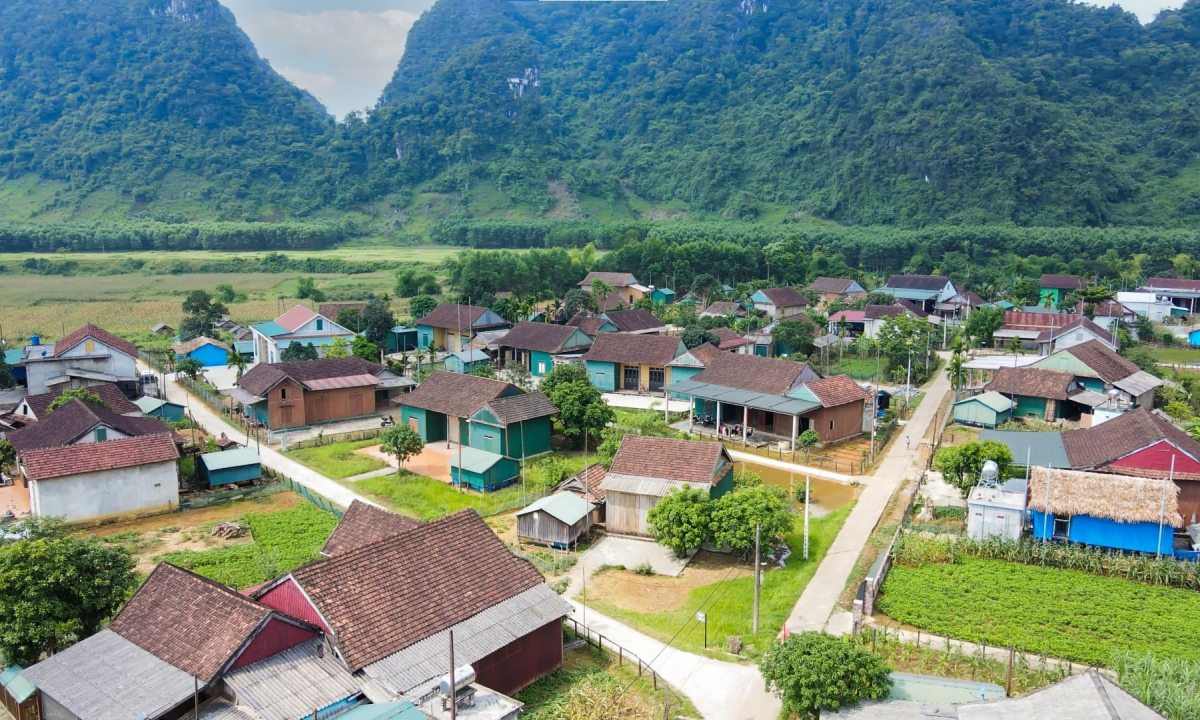
Nestled midst the breathtaking landscape of Quang Binh province, Tan Hoa village offers a unique blend of adventure and culture. Renowned for its stunning caves, including the mesmerizing Tu Lan Cave system, the village has become a popular destination for nature enthusiasts and adventure seekers.
Preserving Heritage
The indigenous Nguon people, who have inhabited this region for centuries, have preserved their rich cultural heritage. Cultural customs such as the Ho Thuoc Ca (folk singing) – National Intangible Cultural Heritage, Ram Thang Ba festival (March Full Moon festival), and the Living Ancestor Worship tradition are preserved by the local people across generations. Alongside teaching national language in the education system, Nguon language has been using for daily use in the community. Visiting Tan Hoa villages, travellers can immerse themselves in their traditions, learn about their customs, and admire their intricate handicrafts.
Embracing Innovation
Beyond its natural beauty and cultural significance, Tan Hoa village, located in a disaster-prone region, has adopted a proactive approach to tourism. In 2017, the weather-adaptive tourism model was developed, adjusting cave expedition tours for seasonal variations to ensure safety. This was followed by the introduction of the weather-adaptive homestay model in 2022 and its enhancement in 2023.
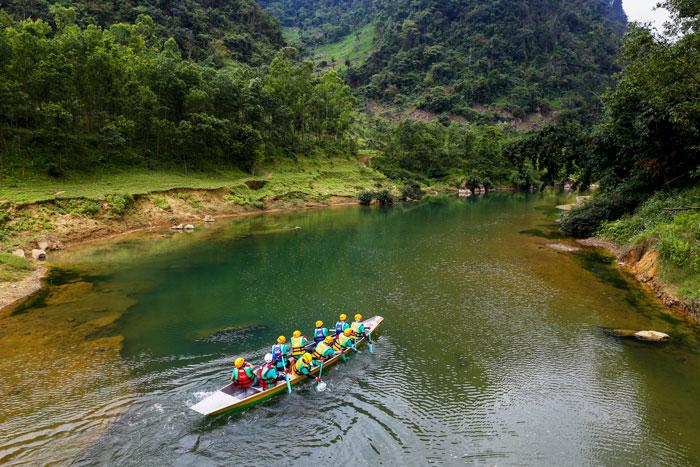
These adaptations have positively influenced the perception of Tan Hoa’s tourism activities, resulting in a significant increase in the number of domestic and international visitors seeking to experience the region. In 2022, Tan Hoa welcomed a record-breaking 8,001 visitors, surpassing the figures from previous years.

Tra Que – The Verdant Vegetable Village in Quang Nam province
Tra Que village, formed in the 16th century and located 3 kilometers northeast of Hoi An Ancient Town, has the unique characteristics of a river island near the sea, surrounded by Co Co river and Tra Que lagoon. The mild climate and fertile soil create favorable conditions for locals to design and develop the traditional organic vegetable growing profession.
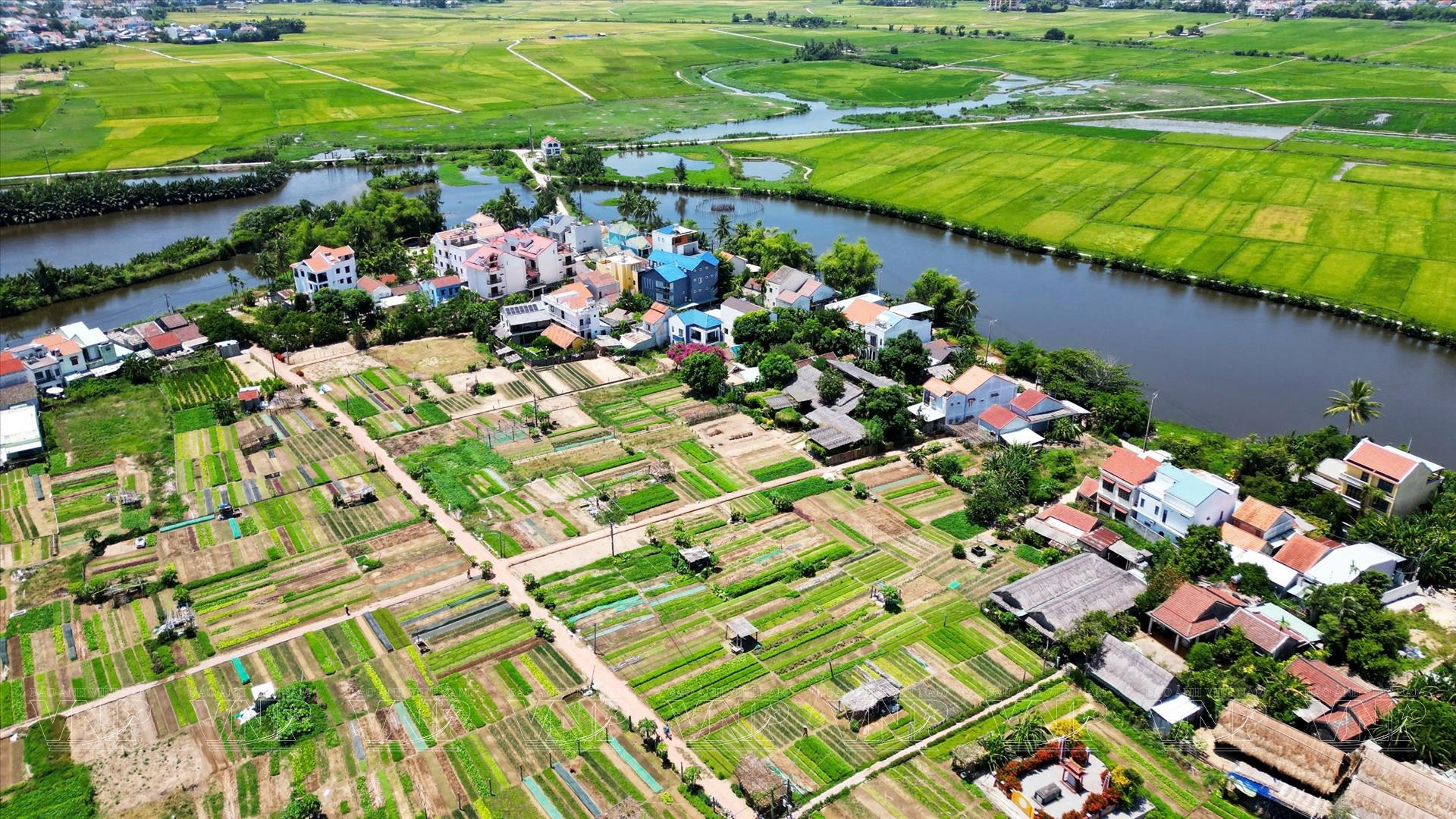
Currently, 202 households and 326 laborers are engaged in Tra Que vegetable cultivation throughout 18 hectares of arable land that generates a steady income. In April 2022, Tra Que vegetable cultivation was recognized by the Ministry of Culture, Sports and Tourism and included in the list of National Intangible Cultural Heritage under the category of folk knowledge and traditional crafts. Tra Que village continues to thrive, preserving its rich cultural heritage, from historical sites to traditional practices such as s Good crop-praying ceremony on the 7th day of the first lunar month annually.
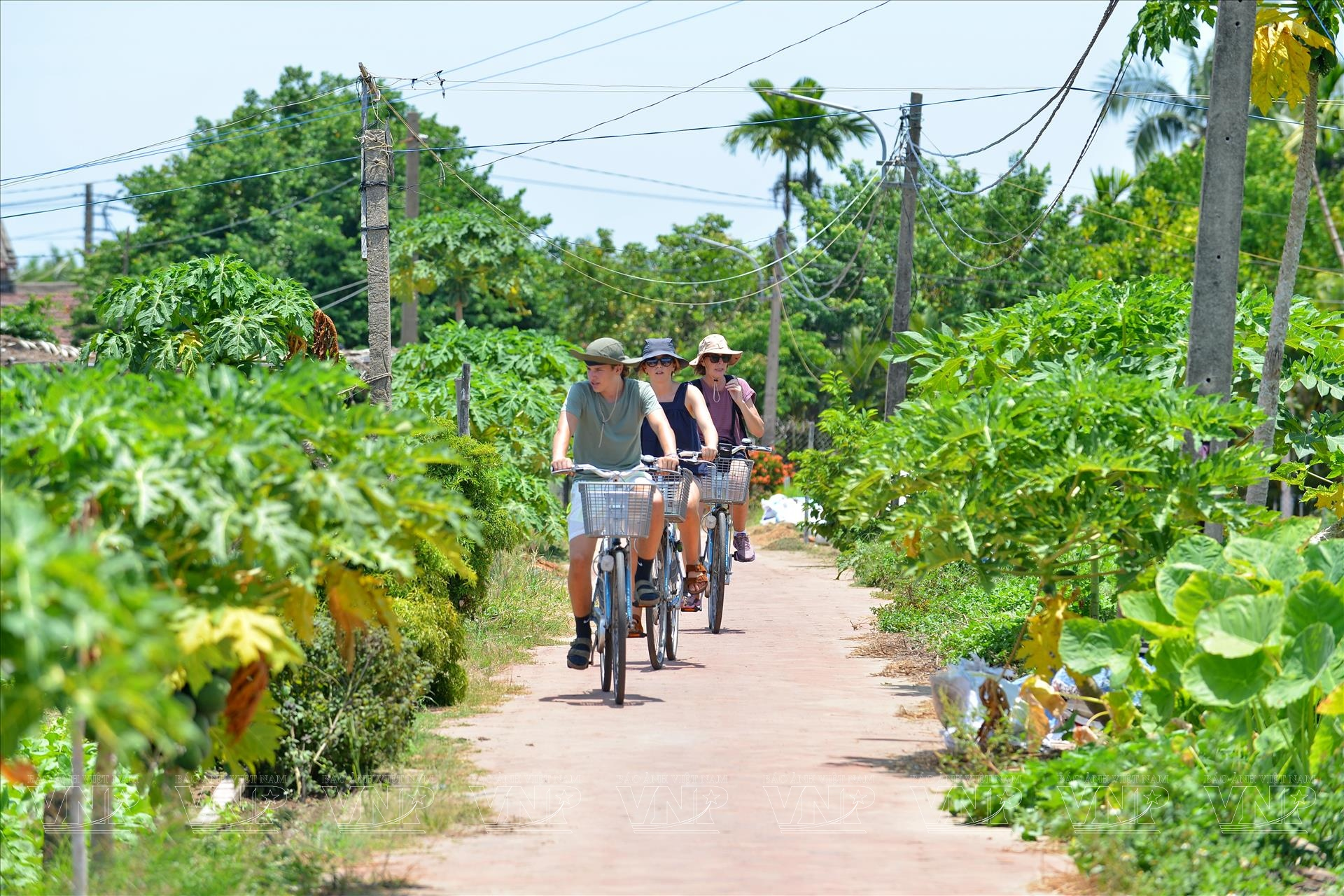
Tra Que village has implemented the model of a community-based tourism village, which links local labor and production process with tourism-service activities to create unique and attractive tourism products that satisfy the needs and tastes of customers.
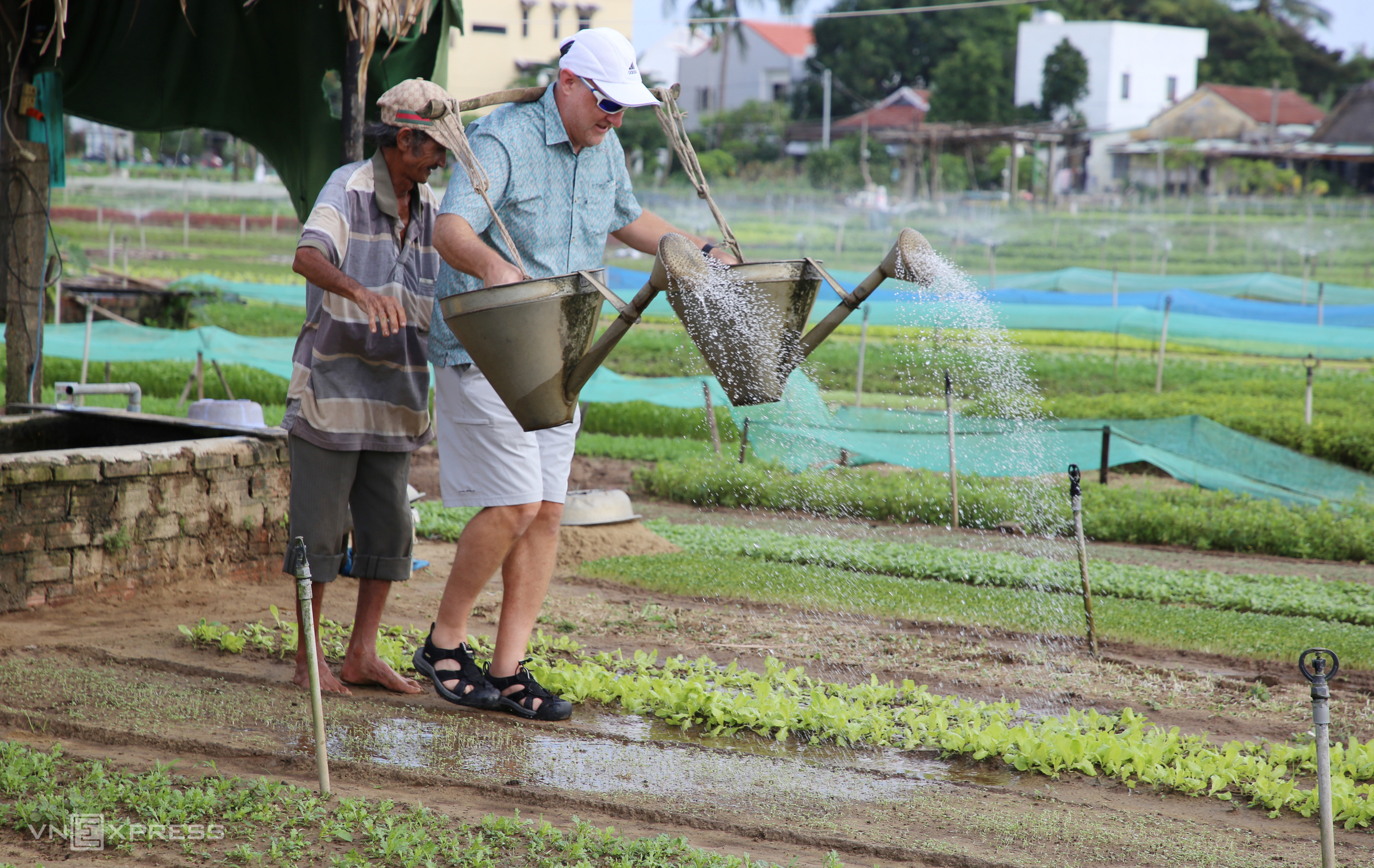
Besides the successful Tour Guide Activities at Tra Que Vegetable Village, local initiatives like homestay accommodations, “Be a Tra Que Farmer for a Day” experiences, cooking classes, and wellness tourism programs have gained popularity among tourists. With 23 accommodations, 16 restaurants, and numerous other services, Tra Que Village offers ample opportunities for employment and income generation for local residents.
These three Vietnamese villages – Thai Hai, Tan Hoa, and Tra Que – exemplify the harmonious blend of tradition and innovation, having successfully preserved their unique cultural heritage while embracing sustainable tourism practices. Building on this achievement, representatives from these villages will join the 2nd Annual Meeting of the UNWTO’s Best Tourism Villages, scheduled for 9th December 2024 in Hoi An. This gathering will bring together members of this prestigious network to share insights, discuss progress, and explore opportunities to strengthen collaboration and innovation, further advancing sustainable and community-driven tourism worldwide.
 Australian Hospitality Alumni Network Vietnam