
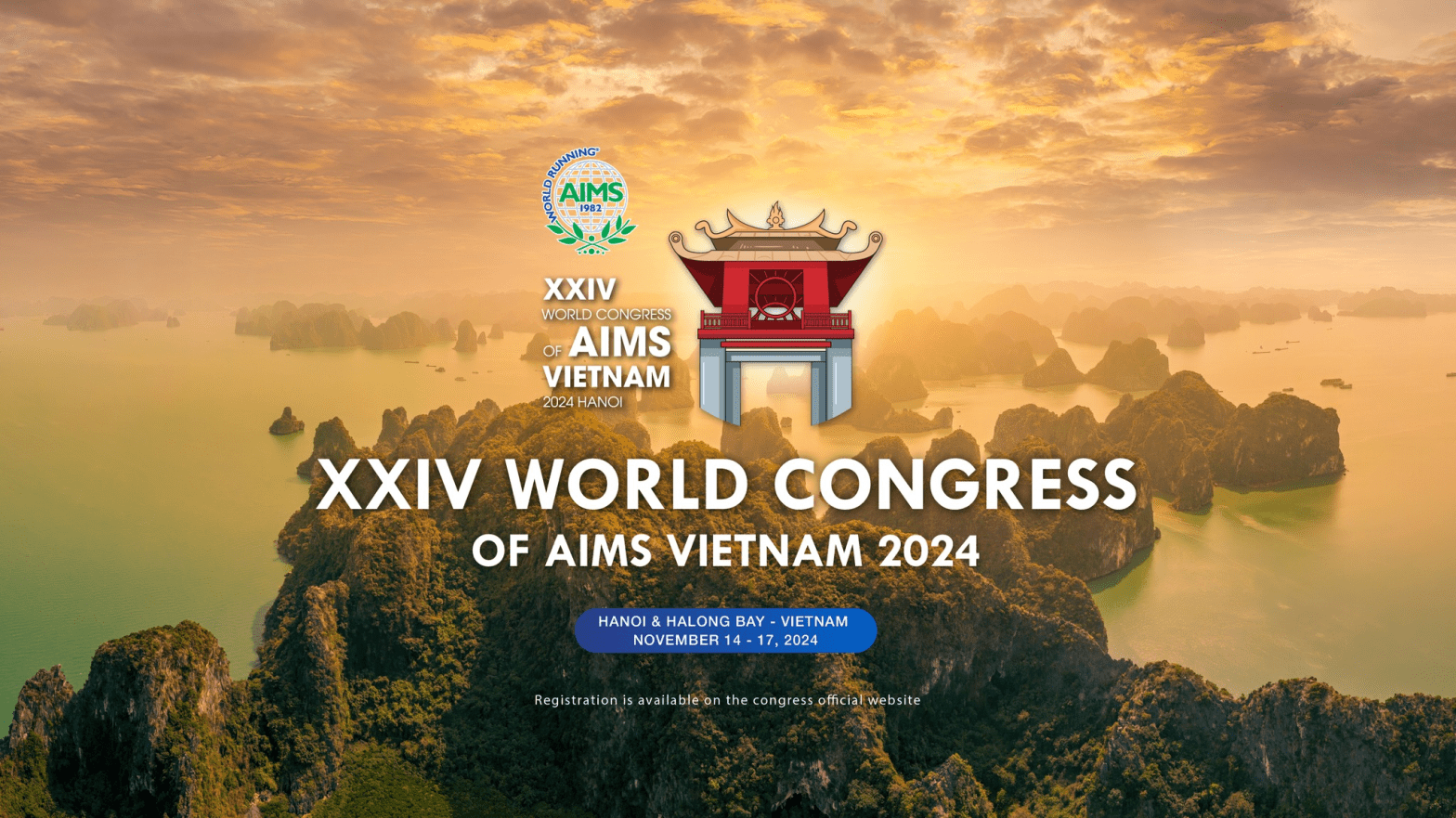
The 24th AIMS World Congress in Hanoi highlighted the strong connection between marathons and tourism. The event shared valuable insights on developing tailored marketing strategies, leveraging technology, and integrating cultural heritage to create successful and sustainable marathon events.
About the Congress of AIMS (Association of International Marathons and Distance Races)
From 14 – 17 November 2024, Hanoi proudly hosted the 24th World Congress of AIMS under the theme “From Heritage to Horizon.” The congress attracted hundreds of representatives from athletics federations, marathon organizers, and sports industry leaders across the globe, fostering a dynamic exchange of ideas and innovations in the marathon landscape.
Throughout the Congress, the presentations and discussions covered a wide range of interconnections between marathon and tourism. While the presentations focused on topics such as the economic impact of marathons, leveraging AI in race organization, and environmental responsibility, the discussions centered on the empowerment and inclusivity of women and people with disabilities in mass-sport running events.
From insightful sharing from the guests, we can learn successful models or current solution in other countries and regions to enhance the synergy between marathons and tourism. According to Ms.Le Thi Hoang Yen – Deputy Director of the General Department of Physical Education and Sports, the Congress’s goals include expanding the sports industry, attracting foreign tourists, and providing long-term value to the community.

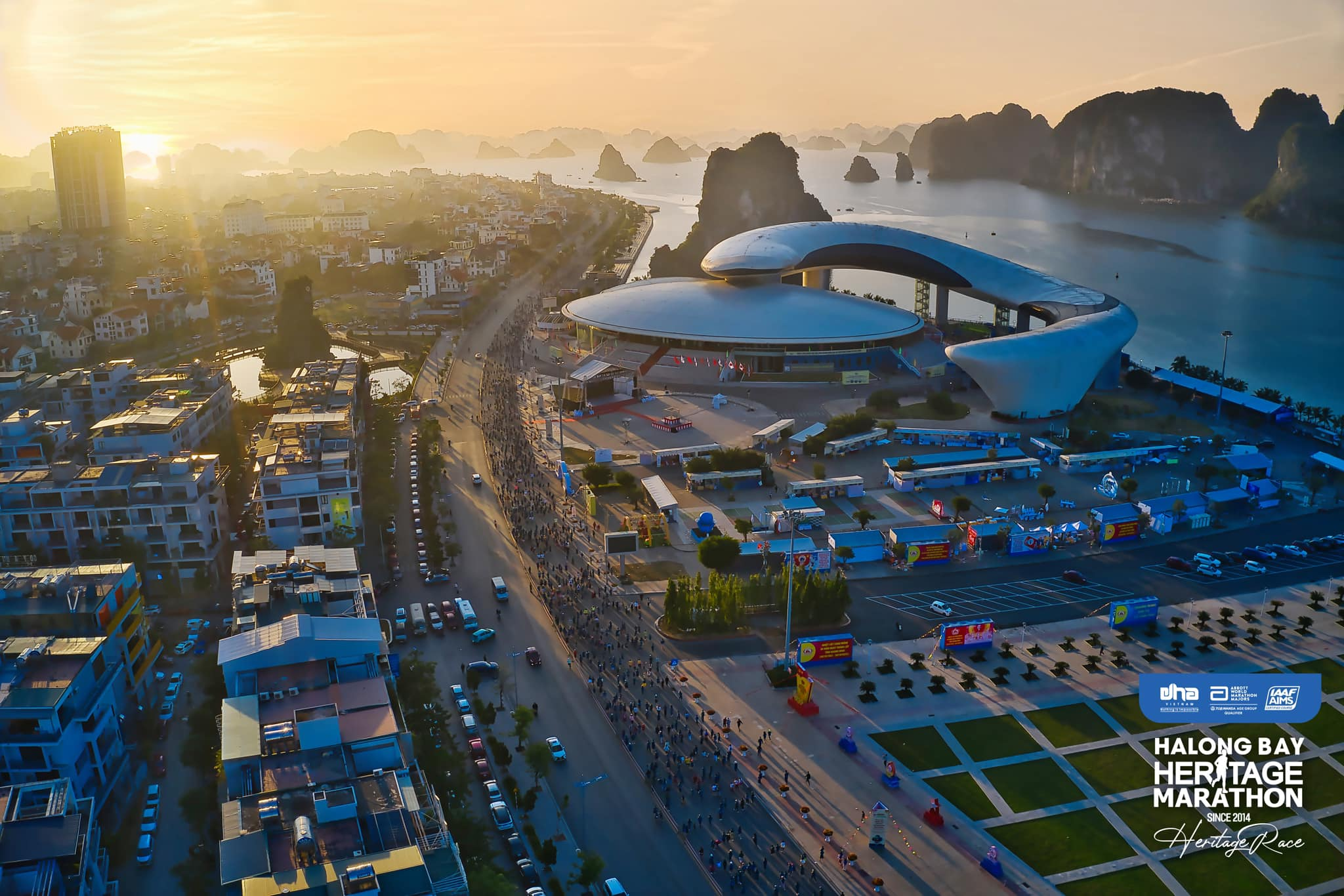
As part of the closing ceremony of the congress, participants joined the Halong Bay Heritage Marathon (on 17 November). This year event was successful with over 13,500 runners from 55 countries participating in four distances categories: 5km, 10km, half marathon (21km), and full marathon (42.195km). The race route along the shores of Ha Long Bay, a UNESCO World Heritage site, offered athletes a truly unique experience, with highlights including a one-of-a-kind tunnel segment spanning 235 meters.

Three lessons learned from the 24th World Congress of AIMS
Lesson 1. Understanding expectations from different target segments
According to Mr. Nguyen Tri Man, a representative of DHA, the marathon market consists of two primary segments: domestic and international runners, each requiring tailored strategies. The domestic runners prioritize clean, pollution-free environments and secure tracks demanding strong support from local authorities to achieve. To attract international runners, the event must involve more than just beautiful routes and good air quality. When they participate in a race, they often combine it with a holiday, bringing family and friends along. This is where event organizers should integrate heritage and cultural elements into marathons. Integrating Vietnam’s rich traditions, historical landmarks, and cultural festivals, marathon events can offer runners truly unique experiences while promoting cultural tourism.
Lesson 2. Event’s Marketing: Building authentic connections is crucial
During the Congress, Ms. Yen emphasized the importance of using media to promote events. An effective communication strategy, focusing on delivering authentic and memorable experiences, can help attract new runners. Additionally, word-of-mouth within the running community remains one of the most powerful tools for promoting races. When participants are satisfied, their recommendations can naturally attract more runners, especially from international markets. Most importantly, marketing efforts must adopt a tailored approach for different segments, emphasizing unique selling points such as scenic routes, cultural connections, and overall event quality to resonate with diverse audiences.

Lesson 3. The Future of Marathons: Embracing Technology Innovation
From a European perspective, Running Unit Director at European Athletics Marko Vasic shared insights into the future of running as an industry. In which, artificial intelligence (AI) is reshaping the way marathons are planned and organized. By leveraging AI, race organizers can streamline operational processes by optimizing route planning for safety and efficiency, automating administrative tasks such as registration and participant tracking, and improving on-site safety measures through predictive insights. If the mass-sport event organizers adapt to these trends, they could evolve into globally appealing events that align with the expectations of modern runners while fostering sustainability and inclusivity.
The 24th World Congress of AIMS has set a new benchmark for innovation, inclusivity, and sustainability in the marathon landscape. As we look forward, its lessons will inspire not just Vietnam, but the global running community, to chart a path from heritage to horizon.
 Australian Hospitality Alumni Network Vietnam