

With unique cultural sites like Vinh Nghiem Pagoda, Yen The Insurrection, Bo Da Pagoda, Tho HA Ancient Village, and Tay Yen Tu, Bac Giang’s spiritual tourism has attracted many domestic and international visitors. Recognizing cultural-spiritual tourism as a key development area, Bac Giang is investing in infrastructure, restoration, and preservation of heritage sites to make it a highlight of the northeastern region near the capital.
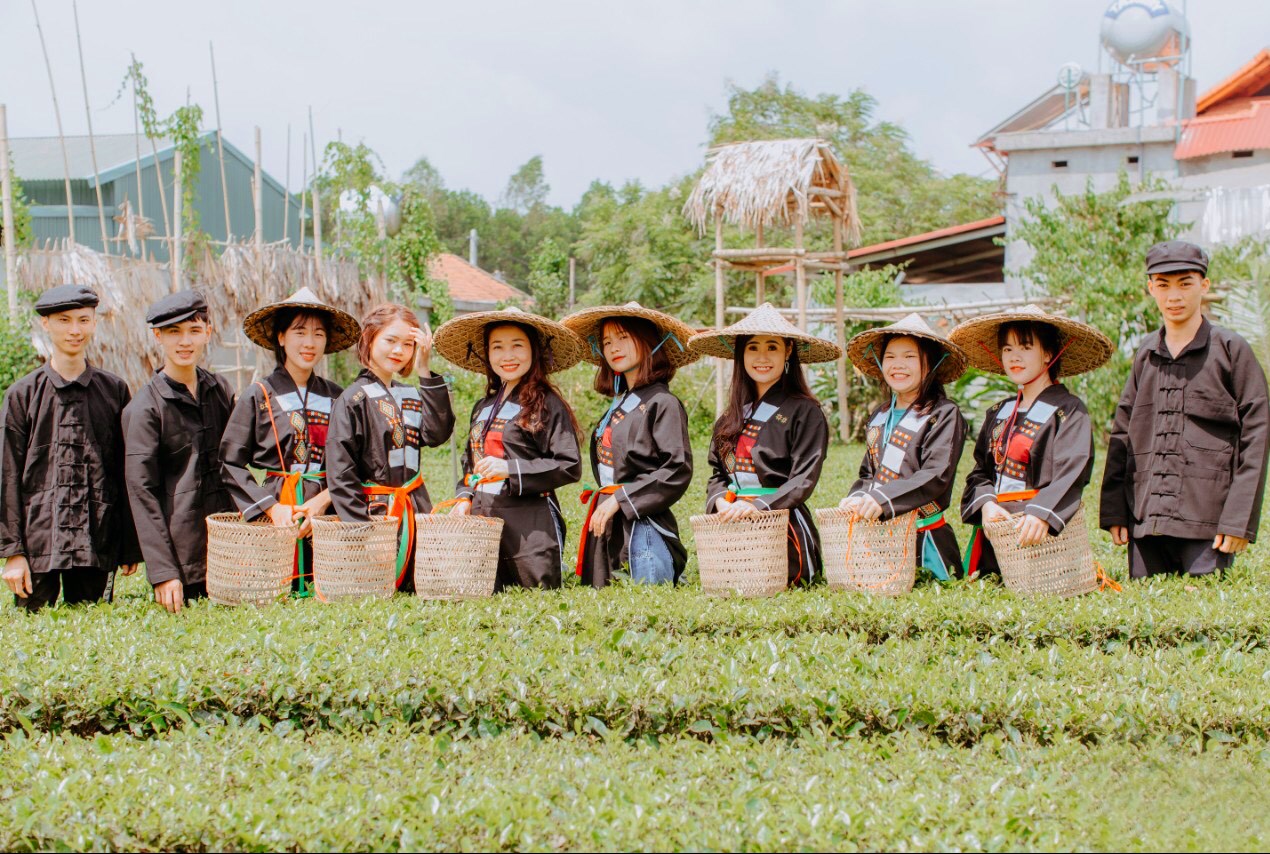
Bac Giang is a locality with significant potential for tourism development. According to statistics, the province currently has 746 historical sites ranked at various levels, including 5 special national sites (with 34 points); 95 national sites; 617 provincial sites; and 4 artifacts recognized as national treasures. Bac Giang, along with other localities, has Quan Ho, Ca Tru, worship of Mother Goddesses (Tam Phu), and the Then rituals of the Tay, Nung, and Thai people in Vietnam recognized by UNESCO as intangible cultural heritage of humanity. So far, 11 intangible cultural heritage elements have been included in the national intangible cultural heritage list. The province hosts nearly 800 festivals, including 12 at the district level, with the rest at the communal level. With its diverse and rich terrain, Bac Giang also boasts many beautiful natural landscapes that can be developed into unique tourism products, such as Cam Son Lake, Khuon Than, Khe Ro Primitive Forest, Ban Ven, and Suoi Mo Ecotourism Area.
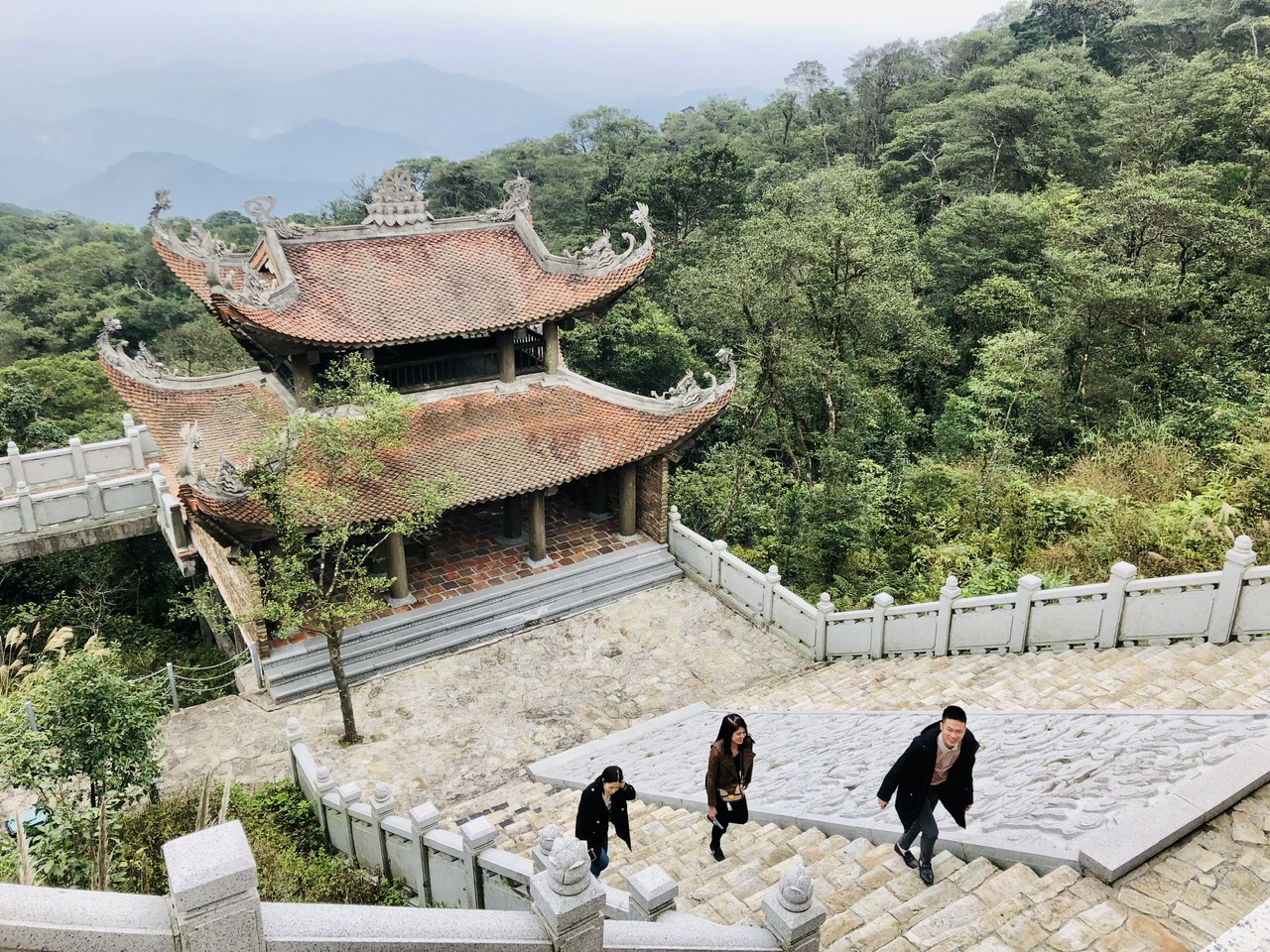
Mr. Do Tuan Khoa, Deputy Director of the Bac Giang Department of Culture, Sports, and Tourism, stated that Bac Giang has identified cultural and spiritual tourism as one of the four main tourism products of the province, along with ecological and resort tourism; entertainment, leisure, and sports tourism (golf); and community tourism linked to fruit-growing regions, traditional craft villages, agricultural products, rural areas, and cultural heritage.
The province boasts significant historical sites, including Vinh Nghiem Pagoda, Bo Da Pagoda, and the Xuong Giang Victory Site. However, tourism development at these sites is still in its early stages, with inadequate infrastructure, accommodation, and services hindering progress.
Visitors to these special national historical sites often find limited facilities and activities. Sites like Vinh Nghiem Pagoda and the Xuong Giang Victory Site are lively mainly during spring festivals, with sparse visitation otherwise. The Tay Yen Tu Spiritual-Ecological Tourism Area lacks entertainment facilities, and accommodation is limited, leading to a day-trip experience for many. Similarly, the Ban Ven Ecotourism Site struggles with overcrowding and insufficient amenities during peak periods.
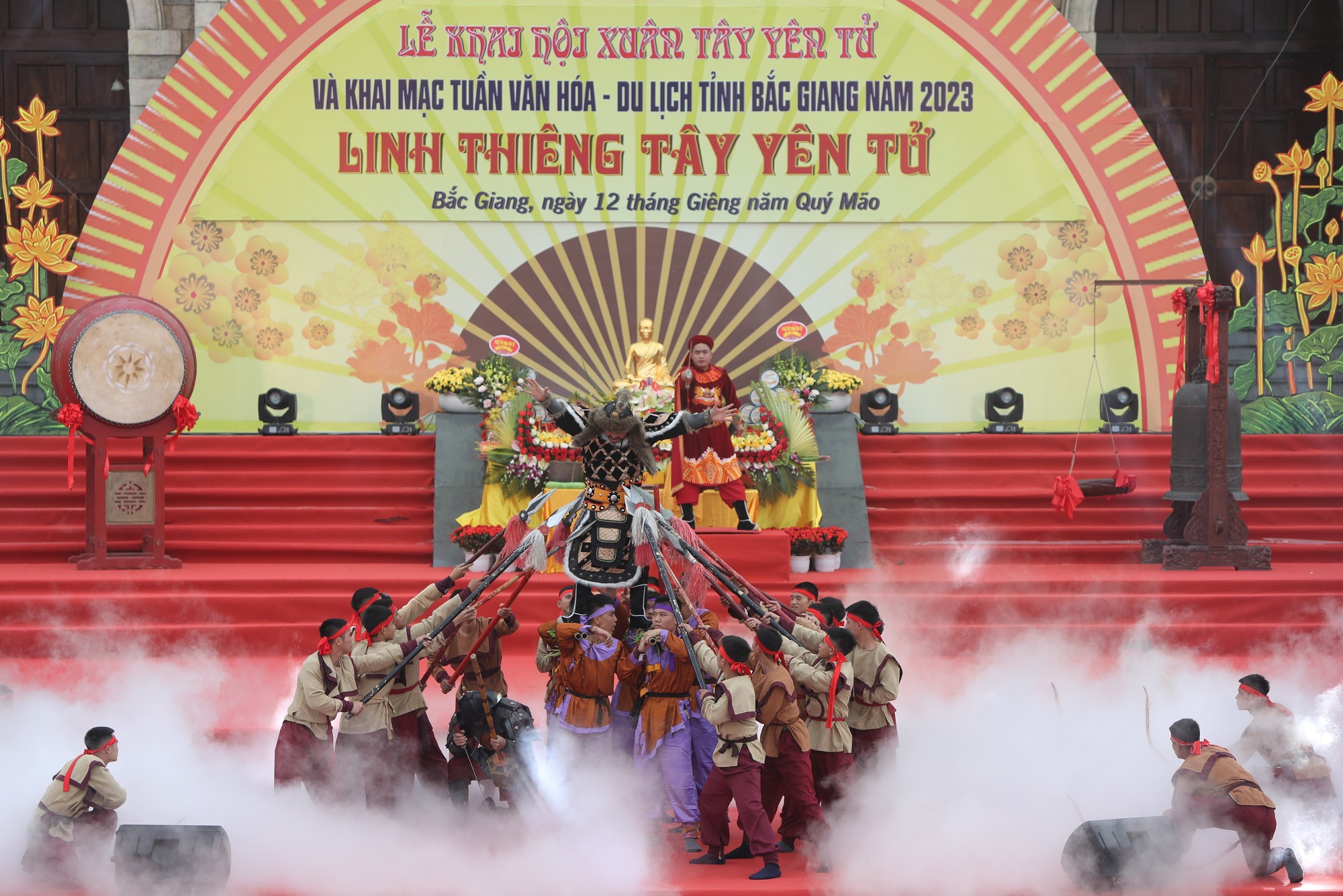
Mr. Do Tuan Khoa noted that Bac Giang is working to develop tourism as a key economic sector according to national and provincial resolutions. The Department of Culture, Sports, and Tourism has guided the implementation of numerous projects and plans. Five district committees have issued specialized tourism development resolutions, and all districts and cities have set implementation plans.
Key infrastructure projects for 2021-2025 include the Dong Viet Bridge and access road, and several other transportation improvements. The province has 32 tourism businesses and 445 accommodation facilities, including hotels and inns.
By 2025, Bac Giang plans to complete the Tay Yen Tu tourism area and develop a new “Path of Spreading the Dharma” product. The province will establish pedestrian zones and promote night economy in Bac Giang City and Viet Yen. It aims to attract 3 million visitors, achieve 3,000 billion VND in revenue, and create 6,000 jobs in tourism. With ongoing investment and policy support, Bac Giang hopes to boost its cultural and spiritual tourism and strengthen its local brand.
 Australian Hospitality Alumni Network Vietnam