
As the summer heat rises, so does the demand for unforgettable getaways. Hotels are retaining their prime position as the top lodging choice, with a recent American Hotel & Lodging Association survey revealing that 3 out of 4 Americans plan to maintain or increase hotel stays.
From evolving booking behaviours to an international influx, here are the latest trends of note for the busy season ahead.
Shorter windows, longer stays
According to Skyscanner research, booking windows for U.S. travellers are tightening while stay lengths are experiencing an uptick. These trends highlight evolving traveller behaviour and highlight the importance of maintaining an agile reservation team ready to capture bookings with efficiency and precision.

RevPAR is on the rise
As unemployment and inflation rates decrease – along with no recession looming on the horizon – the American economy is on the upswing. This growth means more business and leisure travellers are hitting the road this summer, with group travel making a big comeback as well. As a result, CoStar is forecasting strong RevPar growth of 4.1%.
Baby Boomers have big travel plans
Even if it means taking budget away from other things, travel spending – particularly among Baby Boomers – shows resilience compared to other spending categories. Boomers who stayed home or trimmed travel budgets in previous years say they have bigger plans for travel in 2024, with the average number of trips increasing significantly over previous years.
Alise Deeb, Chief Revenue Officer for Dragonfly Strategists, suggests properties should prepare to grab their slice of the summer travel pie by targeting this population with strategies such as offering senior discounts. She also notes that speaking to this market requires very different campaigns in comparison to those targeting bleisure travellers and remote workers.

Inbound sales calls going up
Not everyone books online, especially when planning a big-ticket summer vacation. And your property needs to be prepared. Revinate’s 2024 Hospitality Benchmark Report reveals that voice-based lead management system, Reservation Sales, fielded 26.9 average monthly inbound calls per room last year, with peak call numbers occurring from June through August.
Pace
As the summer season unfolds, analysing pace will be key to maximising revenue. You want to compare booking windows, call volume, and call distribution with previous years. However, bear in mind that if your current pace is lower than it was for the same period last year, you shouldn’t overreact. Remember that booking windows are getting shorter. Instead of instantly dropping your rates, consider adjusting configurations and inputs within your revenue management system to help you maintain price integrity.
With regard to call volume, Revinate research shows that guests typically make two to three calls before booking, with 2.6 average monthly non-booked calls per room. These non-booked leads present a prime opportunity for direct revenue capture. Solutions such as Reservation Sales allow you to capture and leverage data from these interested callers, so you can follow up with them to avoid losing potential bookings to competitors or online travel agencies (OTAs).
Macroeconomic factors
Understanding macroeconomic factors is vital for shaping an effective summer direct booking strategy. You need to know where your guests are calling from and what their budget concerns are, as well as their barriers to booking.
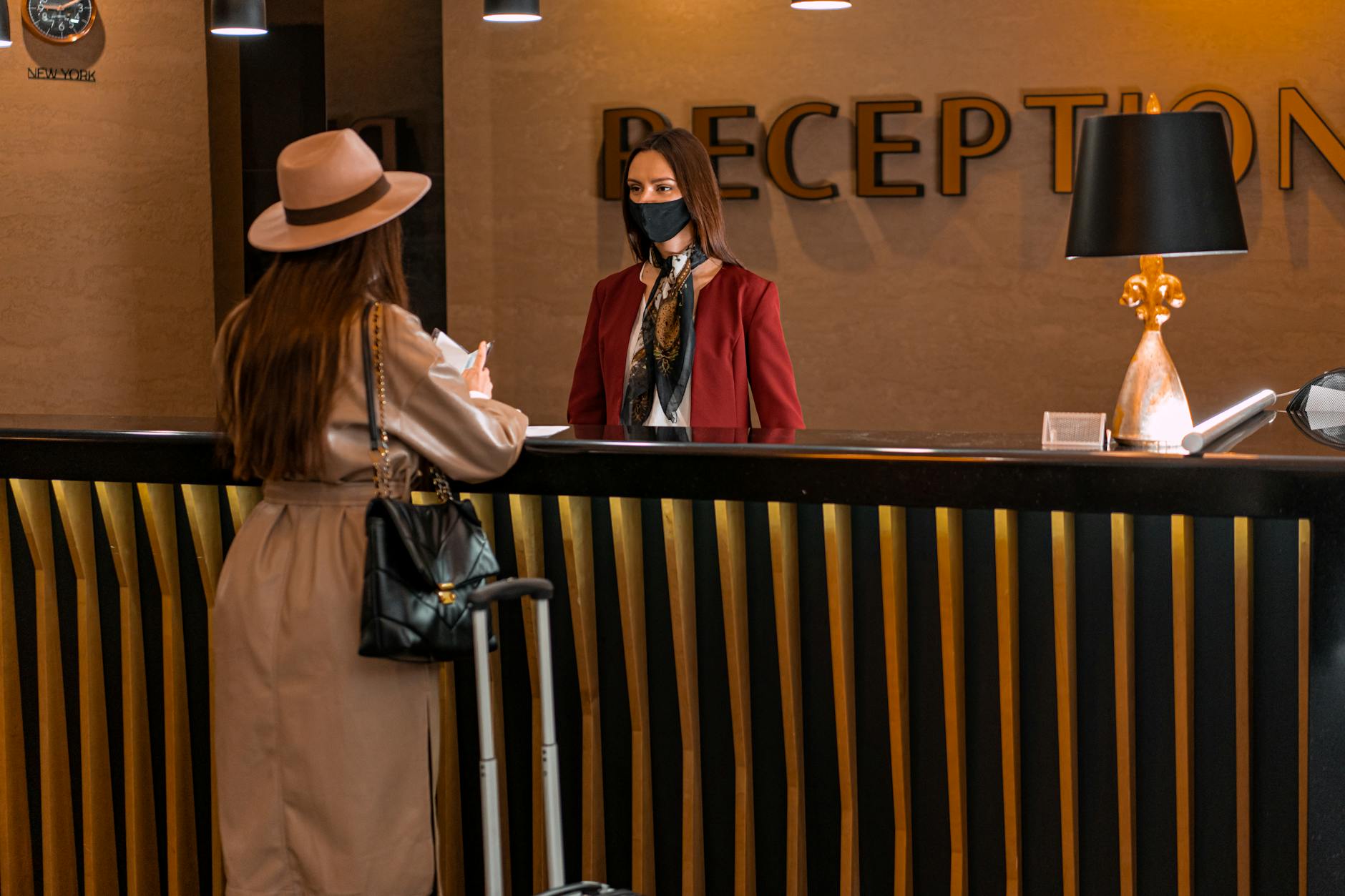
Reservations agents should be trained to successfully capture this type of data during calls. You can then harness that information to proactively market to those potential guests in ways that speak to their unique situations.
For example, given the ongoing high costs of airfare, drive market demand remains robust. Understanding whether this is true for your property allows you to effectively cater to drive market travellers by using techniques such as geo-targeted advertising, and offering enticing packages that include complimentary parking or fuel vouchers.
Maintain hotel call center staffing
Ensuring that you have sufficient hotel call center staffing levels is critical for seamless operations and maximising revenue opportunities. For example, let’s say that you have a targeted email campaign lined up, poised to flood your lines with eager callers. If you don’t have enough hands on deck, you risk missing bookings from abandoned calls and frustrating callers with long wait times. Not to mention the diminished productivity of overburdened team members as the campaign progresses.

Reservations and marketing alignment
Another key component that can impact your ability to capitalise on summer demand is making certain that you have alignment between your reservations and marketing teams.
Your reservations team excels at truly listening to your customers, understanding their needs, and making tailored recommendations. With their finger on the pulse of guest preferences and barriers to booking, they are an invaluable source of customer data.
By keeping open lines of communication between reservations and marketing, you can use this information to craft highly targeted direct booking campaigns that resonate with your potential guests. Whether it’s following up on non-booked leads or sending personalised messages, coordinated efforts help ensure a seamless guest journey across channels.
 Australian Hospitality Alumni Network Vietnam