

An article in The Sydney Morning Herald recently highlights the significance of regenerative tourism in safeguarding the environment. It outlines a catalogue of 20 tourism activities that contribute positively to environmental preservation, ecological balance, and the welfare of local communities. Notably, trekking tours in Vietnam are prioritised to reduce carbon emissions.
Regenerative tourism is a type of travel that aims to establish and enhance the essential conditions and values necessary for the continued growth and preservation of life at a destination. In simpler terms, it focuses on leaving the destination in an improved state after each visit. Therefore, many tourists have chosen to “give more than receive” on their precious vacations to improve the natural environment and ecosystem of the destinations they visit.

To “heal” environmental damage
The increasing awareness that travel contributes to at least 8% of global carbon emissions prompts us to reconsider why we travel abroad and how we conduct ourselves once we arrive. This shift in perspective encourages us to reflect on the purpose of our journeys and the actions we take during our travels.
The recent Covid-19 pandemic has underscored the crucial role of the tourism industry in sustaining local economies, emphasising how our travel expenditures can positively influence destinations. Engaging in regenerative tourism itineraries holds particular promise as they strive to enhance a profound and meaningful connection with a destination, transcending mere transactions and spending. Moreover, the curiosity and eagerness to explore diverse ecosystems and connect cultures with new destinations promise to have experiences worthy of exploration.
From cultural preservation and wilderness restoration trips to camping trips to regenerating the earth, these adventures will contribute greatly to improving the world for future generations.
Trekking in Vietnam: Zero Carbon, Toward Net Zero Tourism
Net Zero” or “Net Zero Carbon” refers to the goal of reducing total emissions causing the greenhouse effect to zero. “Net Zero” tourism is a new trend focused on operating without harming the environment. It emphasises tourism businesses providing tourists with enjoyable experiences through eco-friendly activities, helping to prevent damage to nature and actively restore it.
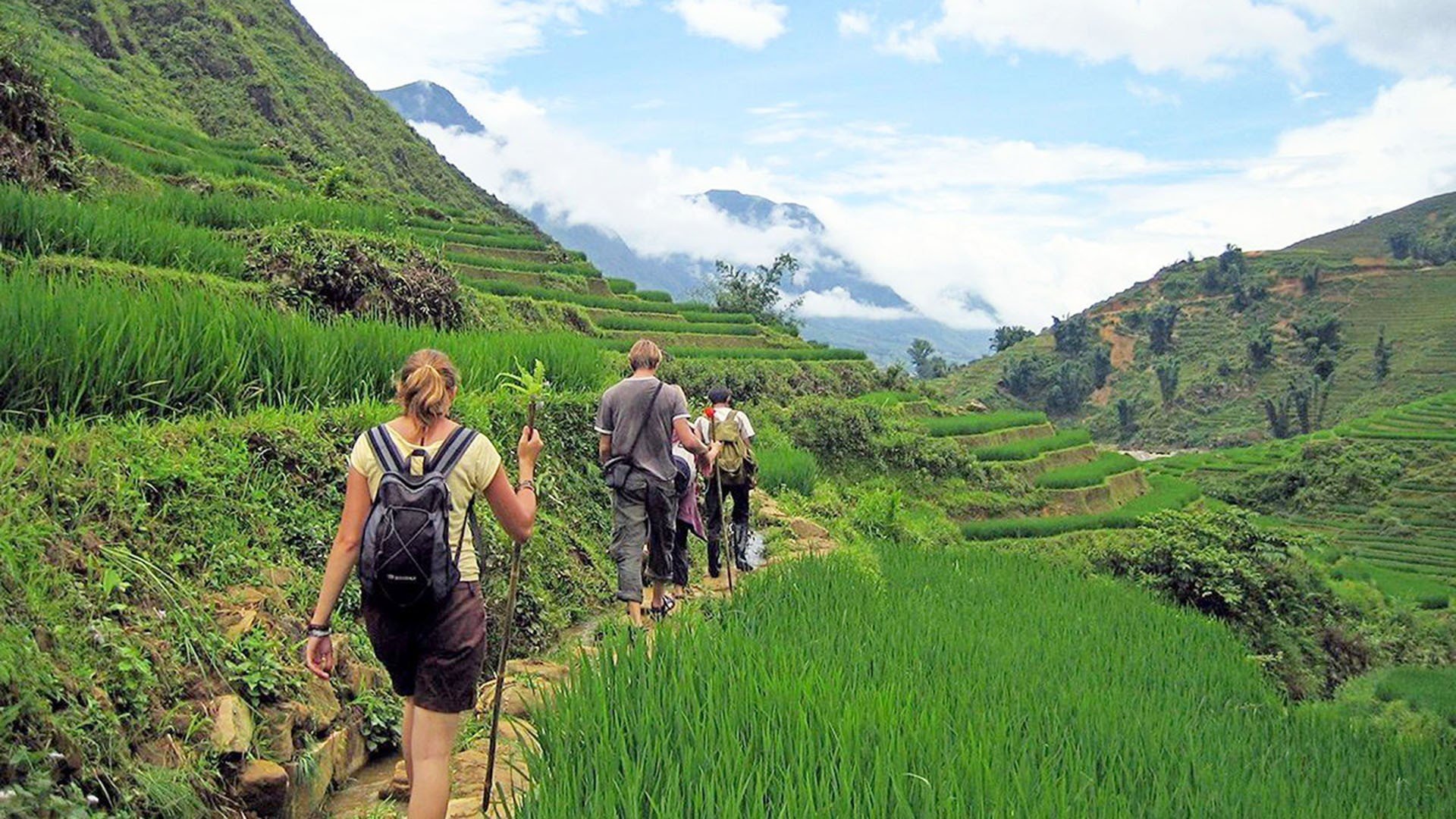
Experiencing adventurous walks not only benefits the environment and ambiance but also creates lasting memories for visitors. Amidst the refreshing air and picturesque landscapes, visitors can fully enjoy unforgettable moments, immersing themselves in the beauty of nature and encountering unique local flora and fauna.

A must-visit trekking destination in Vietnam is Cao Bang, home to the renowned Non Nuoc Cao Bang Geopark, recognised by UNESCO. Cao Bang has majestic natural beauty intertwined with a rich cultural heritage, offering visitors a unique experience steeped in national identity. Exploring this region feels like stepping into a fairyland, with clouds merging seamlessly with mountains, forests, and often described as a sea of clouds blending with emerald-green waters.

To fully immerse themselves in the nature, Ban Gioc waterfall stands out as Vietnam’s most stunning natural wonder. Visitors have the opportunity to visit local villages, connect with ethnic minorities, admire traditional handicrafts, and savour local cuisine. These experiences not only contribute to protecting the natural environment but also support sustainable livelihoods for local families and communities.
In addition to trekking tours in Vietnam, The Sydney Morning Herald suggests various recreational tours in other countries, including spending time with rescued elephants in Thailand, preserving traditional crafts in Peru, experiencing a desert eco-lodge in Jordan, contributing to ocean conservation in Indonesia, participating in environmental protection courses in India, experiencing a jungle conservation eco-lodge in Costa Rica, contributing to the conservation of the Great Barrier Reef in Australia, and supporting community funds and conservation efforts in Peru.
 Australian Hospitality Alumni Network Vietnam